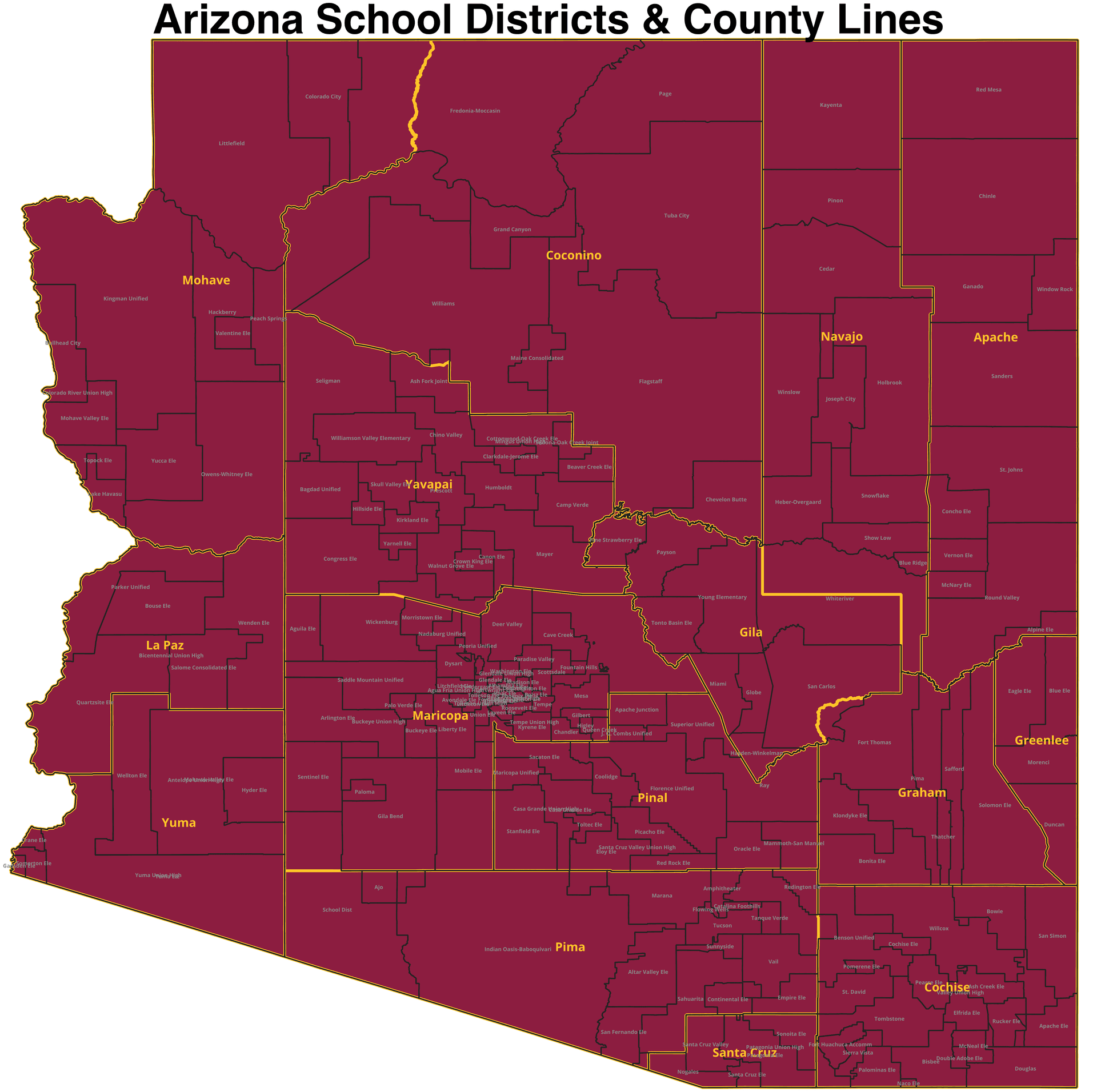
Parker schools ban AI smart glasses during school hours
Parker Unified will treat AI smart glasses like phones, barring them during school hours unless permission is granted and requiring them to be powered off and hidden.
Parker Unified School District is drawing a hard line on AI-enabled smart glasses, saying students may not wear them during the normal school day unless specific permission has been granted. The district says the rule is meant to protect student privacy and keep classrooms free from digital distractions.
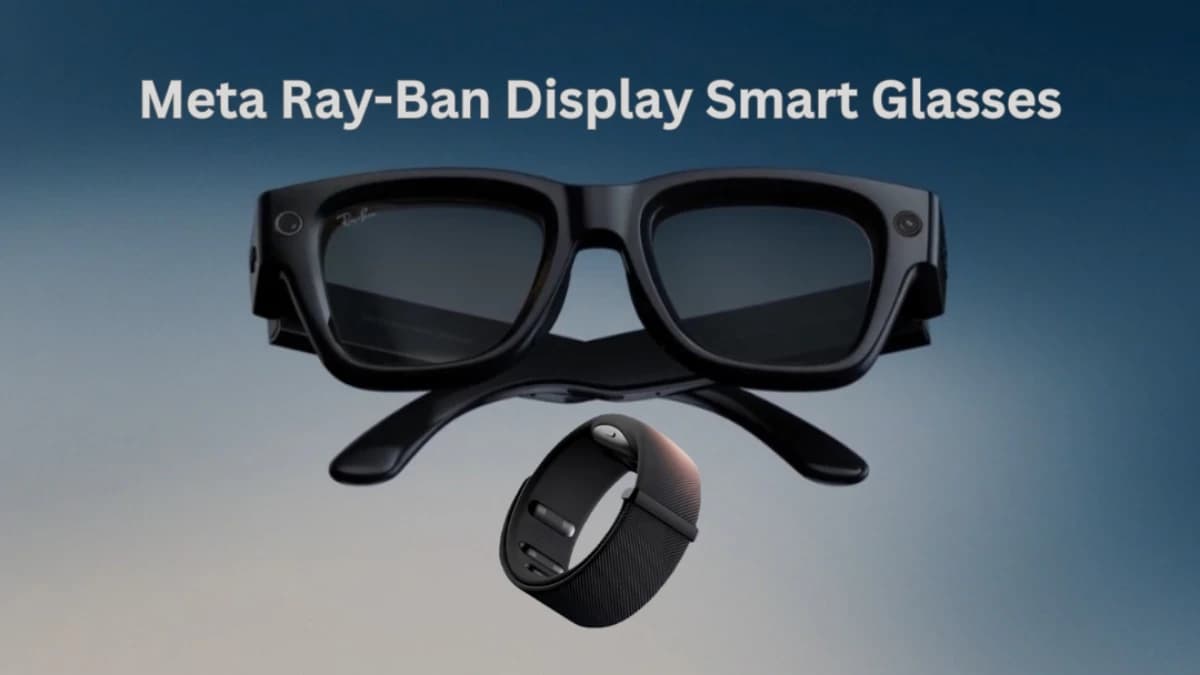
In a live-feed message tied to Parker High School, the district said smart glasses fall under the same expectations as other personal electronic devices. It named Ray-Ban Meta, Oakley Meta Vanguard, Oakley Meta HSTN and Meta Ray-Ban Display as examples covered by the policy. Under the district’s standard, those devices must be powered off and stored out of sight during school hours.

The district also made clear that students who need corrective lenses still must use standard, non-electronic eyewear during the school day. That line matters for families preparing for the return to class, because it leaves little room for confusion: camera-capable or recording-capable glasses are not being treated like ordinary prescription eyewear.
The policy lands in a district that serves about 1,700 students across six schools in Parker and is trying to give teachers and administrators a clear enforcement standard before wearable tech becomes harder to ignore. The district’s wording suggests staff can handle smart glasses the same way they handle phones or other restricted devices when they appear on campus without permission.
Arizona’s broader school-device law gives that local rule additional backing. House Bill 2484, signed into law April 14, 2025, requires school districts and charter schools to adopt policies limiting student use of wireless communication devices during the school day. The law defines the school day broadly to include meals, passing periods and recess, while still allowing device use for educational purposes, emergencies and certain medical needs.
Meta and Oakley market the glasses as AI wearables with cameras and audio, and some models add an in-lens display and features such as hands-free capture and live translation. That makes the district’s distinction between smart glasses and standard eyewear more than a cosmetic one, especially in classrooms where recording, alerts or live AI features could interrupt instruction.
The same live-feed page also carried a summer food program notice for children ages zero to 18, underscoring that the district’s online updates are still serving as a family information channel while schools prepare for the coming year.
This article was produced by Prism’s automated news system from verified source data, official records, and press releases, then run through automated quality and moderation checks before publishing. The system is built and supervised by the people who set the standards it runs under. Read our full AI policy.
Did this article answer your question?