Parker seeks community input on future skate park plans
Parker is asking residents to shape a future skate park now, before site, cost and maintenance choices are locked in. The committee still has to answer where it goes, who pays and who keeps it safe.
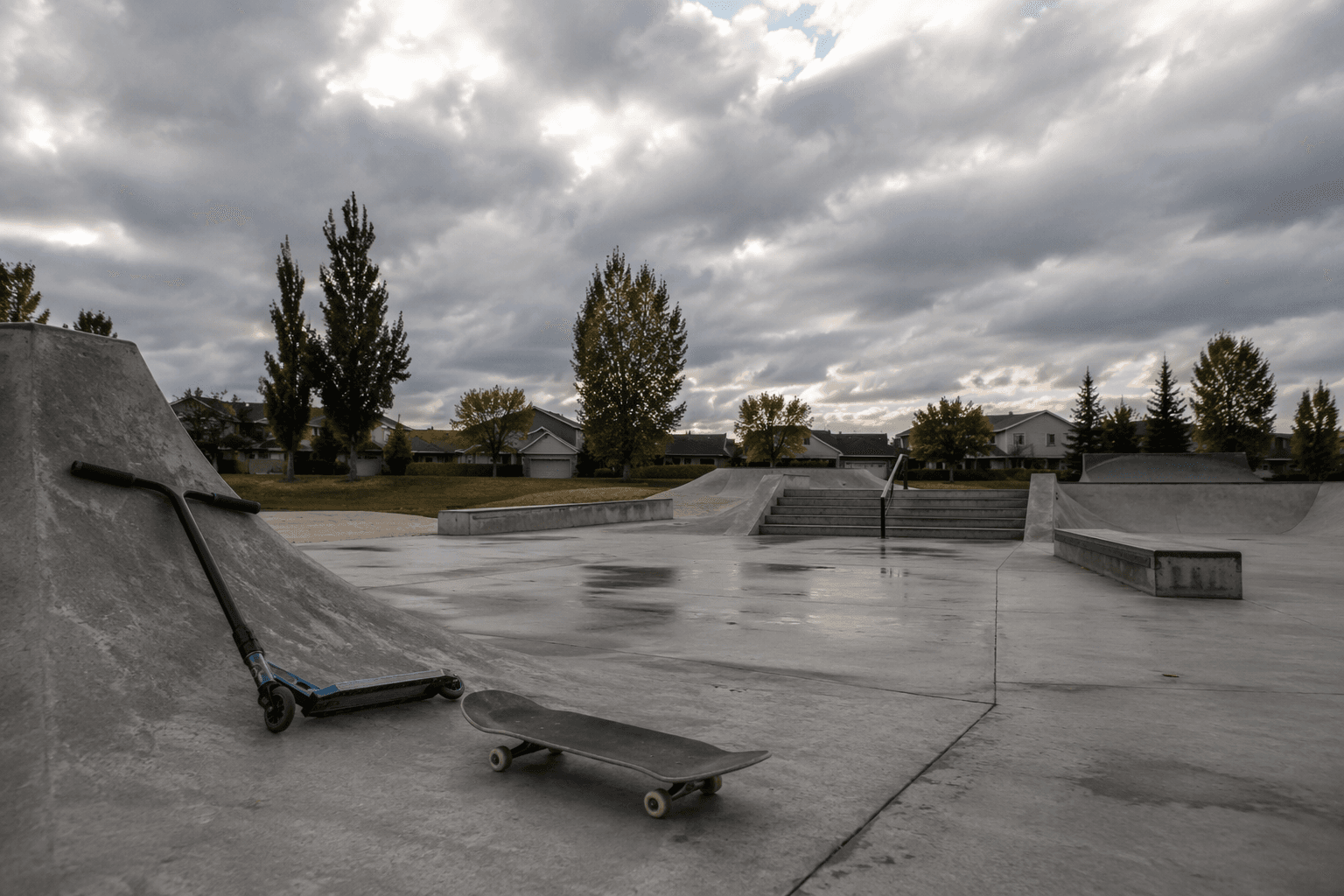
Parker residents have a chance to shape a future skate park before the town settles on a site, design or funding plan. In a July 20, 2026 post, the Town of Parker Parks and Recreation Committee said it is “excited to begin discussions on a new community skate park” and wants to hear from residents.
That invitation puts the project in its earliest planning stage, when public feedback can still influence where the park goes, what age groups it serves and which features make the cut. The practical questions are the ones that matter most to families, park users and nearby neighborhoods: location, cost, lighting, parking, safety and long-term upkeep.
Parker already has a skatepark listed at 1610 W 18th St, identified by AZ Skateparks as the Bill Alcaida Memorial Skatepark. The listing date on that entry is Oct. 13, 2021. A separate local headline also noted that the town had closed a skate park and included a new park in renovations to City Park, showing that skate facilities in Parker have already been part of the town’s park planning history.
The advisory process behind the new discussion also gives the effort some local-government structure. Parker Parks and Recreation says the Parks, Recreation and Open Space Advisory Commission, known as the PROS Commission, was approved by the Parker Town Council in July 2022 and gives citizens an opportunity to represent the recreational needs of the community. That makes the skate park conversation more than a casual idea. It can feed into formal capital planning, grant applications, phased construction or community fundraising.
Those choices will determine whether the town can build a park that works for skating, scooters and BMX-style use without creating new problems around traffic, noise or maintenance. They will also determine who carries the burden after construction, since a skate park requires upkeep, safety monitoring and a location that can handle regular use.
For Parker, the immediate issue is not whether a skate park sounds good. It is whether residents speak now, while the Parks and Recreation Committee is still gathering input, so the final project reflects local needs instead of a plan that has already hardened.
This article was produced by Prism’s automated news system from verified source data, official records, and press releases, then run through automated quality and moderation checks before publishing. The system is built and supervised by the people who set the standards it runs under. Read our full AI policy.
Did this article answer your question?