Cedar Oaks preservation efforts unite Oxford residents across generations
Cedar Oaks has become a test of who controls Oxford’s growth, from sale talks to preservation campaigns. Its survival spans Civil War fire, citizen rescue and a 2026 return to the Guild.
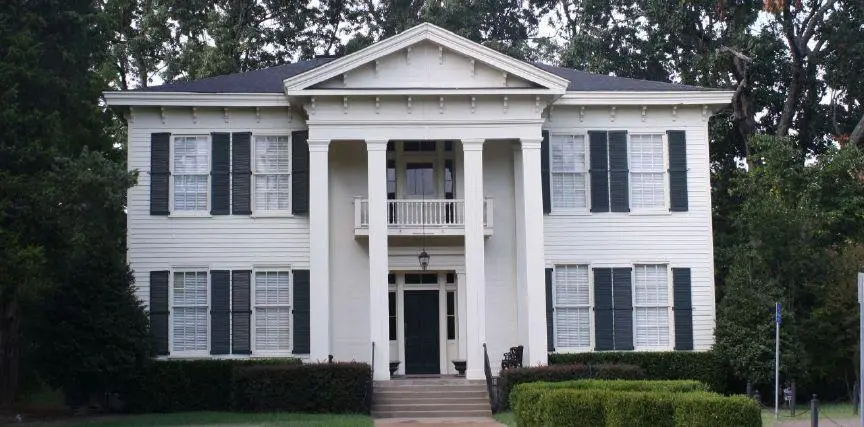
Cedar Oaks has become one of Oxford’s clearest tests of who gets to shape Lafayette County’s physical and economic identity. The house at 601 Murray Street has moved from private residence to landmark to civic battleground, with aldermen considering a sale in 2025 and the property officially returning to the Guild by July 21, 2026. Its long arc shows why preservation here is never only about architecture, but also about property use, tourism value and whether residents can still influence what happens before another historic place is lost.
A landmark with a paper trail
Cedar Oaks was built in 1859 by William Turner as his personal residence, and the house is identified as a Greek revival structure. Its address places it squarely in Oxford, Lafayette County, and the Mississippi Department of Archives and History lists it as a Mississippi Landmark under code 071-OXF-0906-ML. The state record gives the house a designation date of December 8, 2005 and a recorded date of January 10, 2006, which means its preservation status is written into public records, not left to sentiment alone.
That official listing matters because Cedar Oaks is not simply a well-known old house. It is a documented historic site with state recognition, and that gives preservation arguments a concrete foundation when development pressure rises. In a town where land use decisions can quickly become debates about value, use and visibility, the landmark designation helps explain why Cedar Oaks keeps reappearing in public conversation instead of fading into the background.
A rescue story that spans generations
The house’s survival has depended on repeated citizen action. In 1864, after occupying Union troops set it aflame, Molly Turner Orr, William Turner’s sister, organized a fire brigade to save the house. Nearly a century later, Mary Alice Tate rallied Oxford’s women’s clubs to save Cedar Oaks from commercial development, extending the same instinct into a very different era of local change.
The guild’s history says Cedar Oaks was saved from destruction in 1963, a reminder that preservation in Oxford has often been a collective act rather than the work of a single owner. The Cedar Oaks Guild says it was formed in the summer of 2011, then officially renamed in April 2013 from Oxford-Lafayette Historic Homes after the merger of two original clubs that had worked to save the house. That timeline shows a transition from emergency rescue to long-term stewardship, and it explains why Cedar Oaks is now tied to a broader civic network rather than one narrow preservation campaign.
From home to public symbol
A 2015 account described Cedar Oaks as one of Oxford’s most historic homes and said it had survived the Civil War and being cut in half and moved across town. That detail matters because it places the house inside Oxford’s broader pattern of change, where buildings have sometimes been shifted, reimagined or threatened as the town grows. Cedar Oaks has remained visible because each generation has had to decide whether the house counts as expendable property or shared heritage.
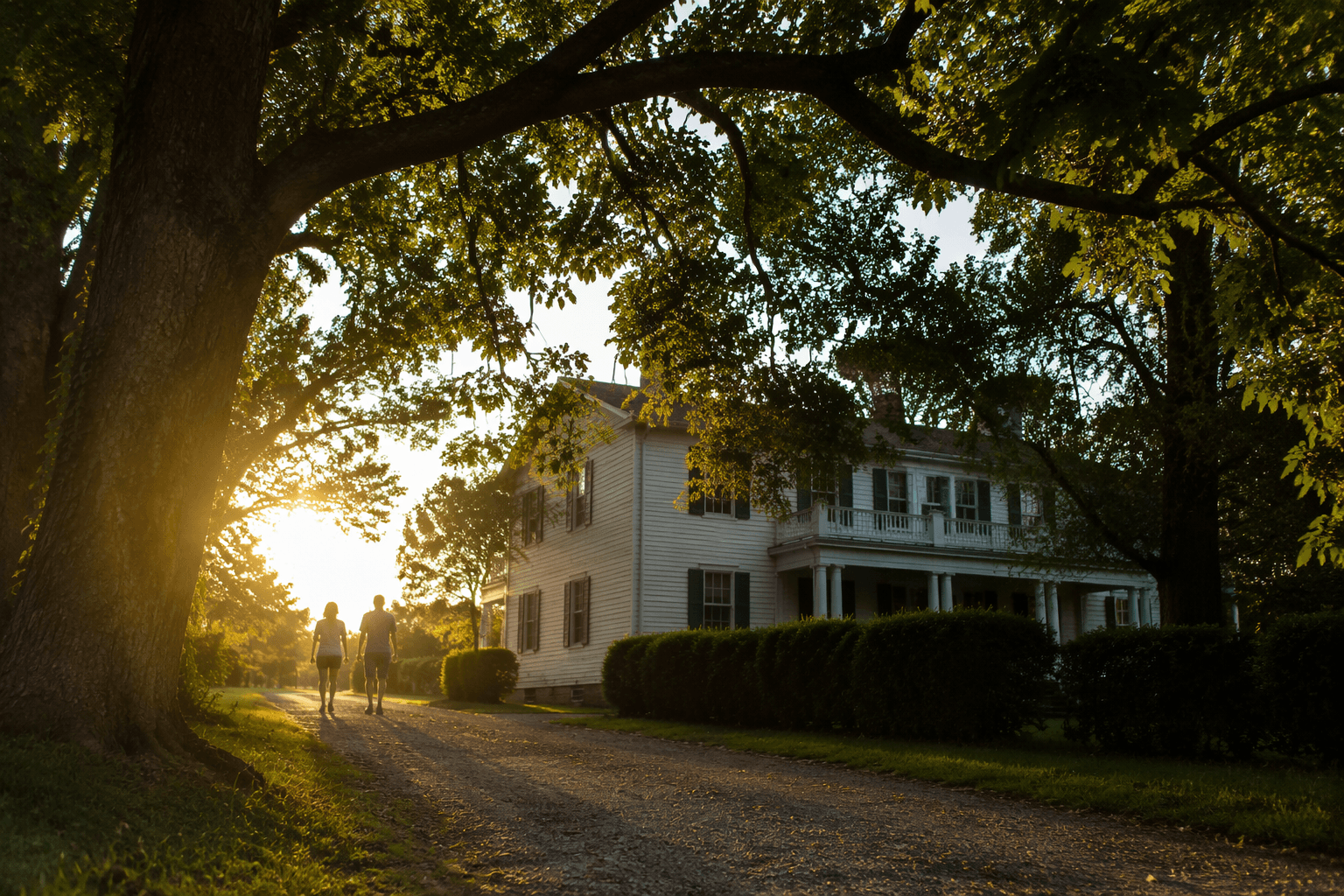
That decision surfaced again in 2025, when the Oxford Eagle published a story headlined “Aldermen to consider sale of Cedar Oaks.” By July 21, 2026, another Oxford Eagle story said Cedar Oaks officially returned to the Guild. Those two dates bookend the latest chapter in a long running question: whether a historic property in Oxford should be treated primarily as an asset to be sold or as a landmark to be protected and interpreted for the public.
Why the Guild’s role reaches beyond the house
The Cedar Oaks Guild is more than a custodial group. Its history connects the house to residents who organized, merged and renamed their effort over time, turning preservation into an ongoing civic institution. That matters in Lafayette County because the debate around Cedar Oaks is also a debate about who gets to decide what Oxford looks like, where investment goes and which structures help define the town’s character.
The house also carries public-history value beyond its walls. The Guild’s Facebook page says the documentary “The House That Would Not Die” premiered on Sunday, March 5, 2017, and a history lecture series event with the same title was later listed at 601 Murray Street on April 13. Those events show Cedar Oaks operating not just as a preserved building, but as a site of interpretation, one that can draw people into the story of Oxford’s past while keeping attention on present-day stewardship.
What Cedar Oaks says about Oxford’s future
Cedar Oaks has endured fire, wartime damage, commercial threat, physical alteration and repeated efforts to secure its future. That history makes it a useful case study for Oxford because it captures the pressure on historic properties when a growing town must decide how much of its older fabric will remain in place. The question is not only whether the house survives, but who benefits from it, who is responsible for it and how much control residents can retain over the places that give Lafayette County its identity.
The answer so far has come from generations of local action, from Molly Turner Orr’s fire brigade to Mary Alice Tate’s women’s clubs to the civic organizers behind the Cedar Oaks Guild. Cedar Oaks still stands because Oxford has repeatedly treated it as more than a house, and that makes its preservation one of the county’s most revealing stories about power, memory and land use.
This article was produced by Prism’s automated news system from verified source data, official records, and press releases, then run through automated quality and moderation checks before publishing. The system is built and supervised by the people who set the standards it runs under. Read our full AI policy.
Did this article answer your question?