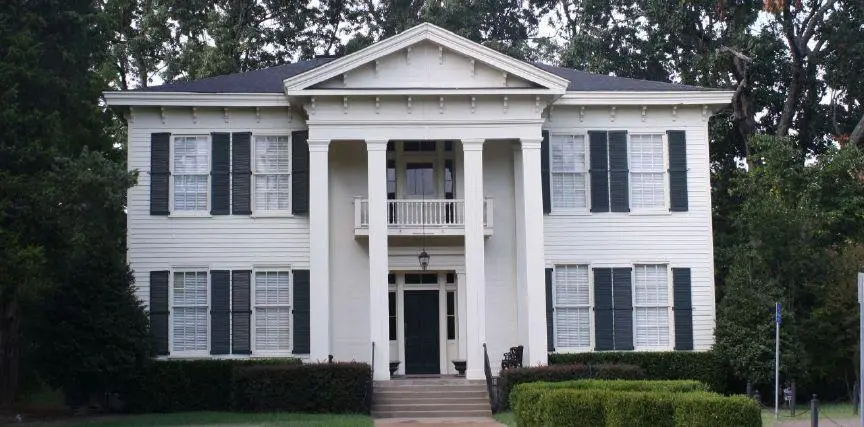
Oxford Courthouse Square historic district preserves 72 historic resources
Oxford Square’s historic district is a working preservation system, with 72 resources, review rules and a separate commission that still shape signs, renovations and downtown investment.
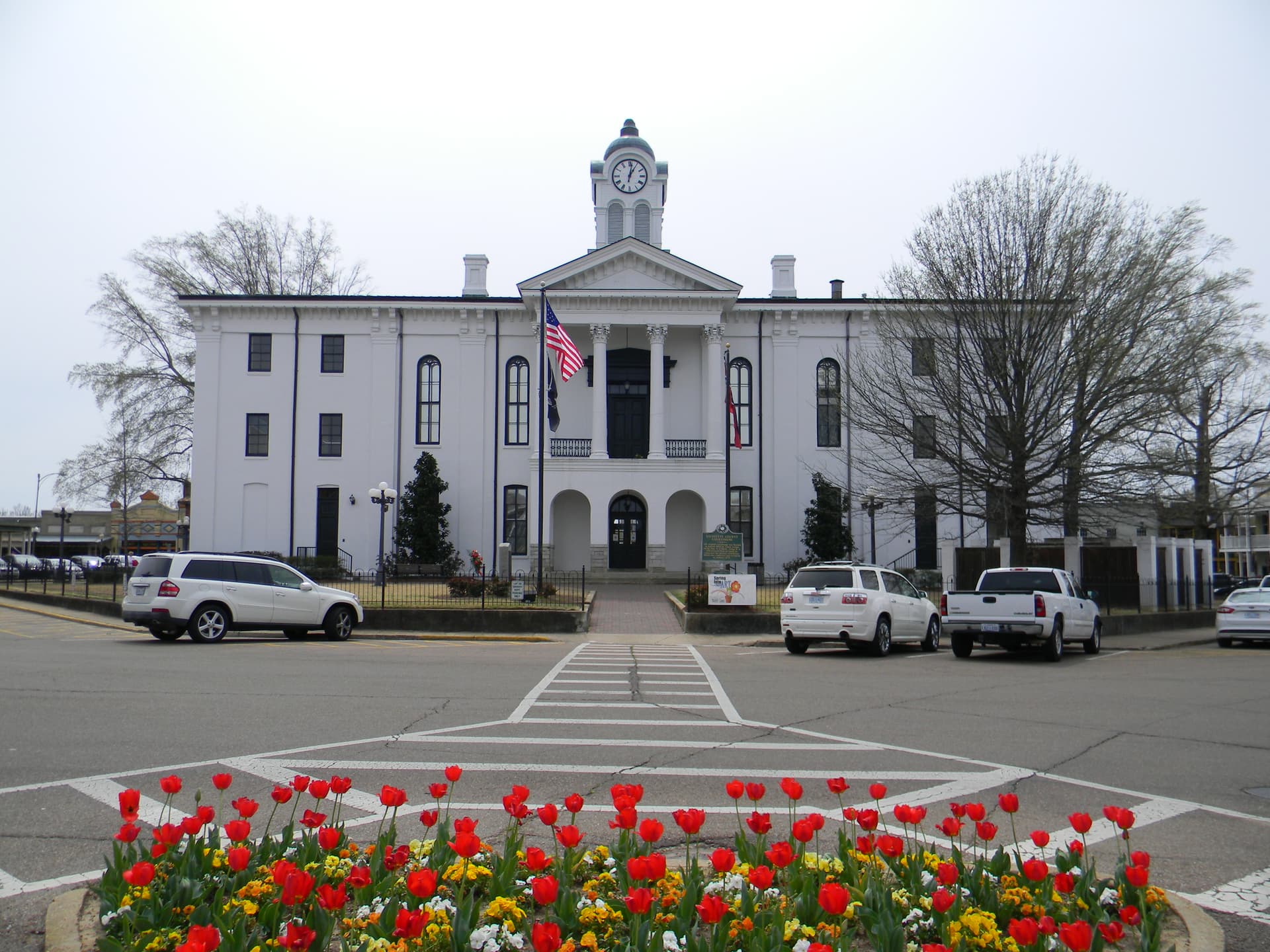
The Oxford Courthouse Square Historic District was listed in the National Register on April 2, 1980 with 72 resources. The designation reaches beyond the Old Lafayette County Courthouse to the surrounding commercial and residential fabric, which is why changes on the square still run through a preservation process today.
What the district actually is
The official designation covers the place as a whole, not just one famous building. The National Register nomination form for the district, housed through the Mississippi Department of Archives & History and the National Park Service’s digital archive, uses the name Oxford Courthouse Square Historic District. In preservation terms, that means the value lies in the ensemble: the courthouse, the streets around it and the historic buildings that make the square read as Oxford’s civic center.
Courthouse squares are among Mississippi’s most identifiable public spaces, usually sitting at the center of the original town plan and serving as the site of the county courthouse. Oxford’s square fits that pattern. The Lafayette County Courthouse anchors the district, but the district’s significance comes from the relationship between the courthouse, the adjoining blocks and the public space in between.
What the district means for owners and tenants
For property owners and tenants on the square, the district is not just a label on a map. It is part of Oxford’s preservation system, and its preservation commissions handle matters tied to historic value, including districts, individual buildings and codes. The Courthouse Square Preservation Commission specifically oversees the Courthouse Square District, which gives the city a formal review body for changes that affect the area’s character.
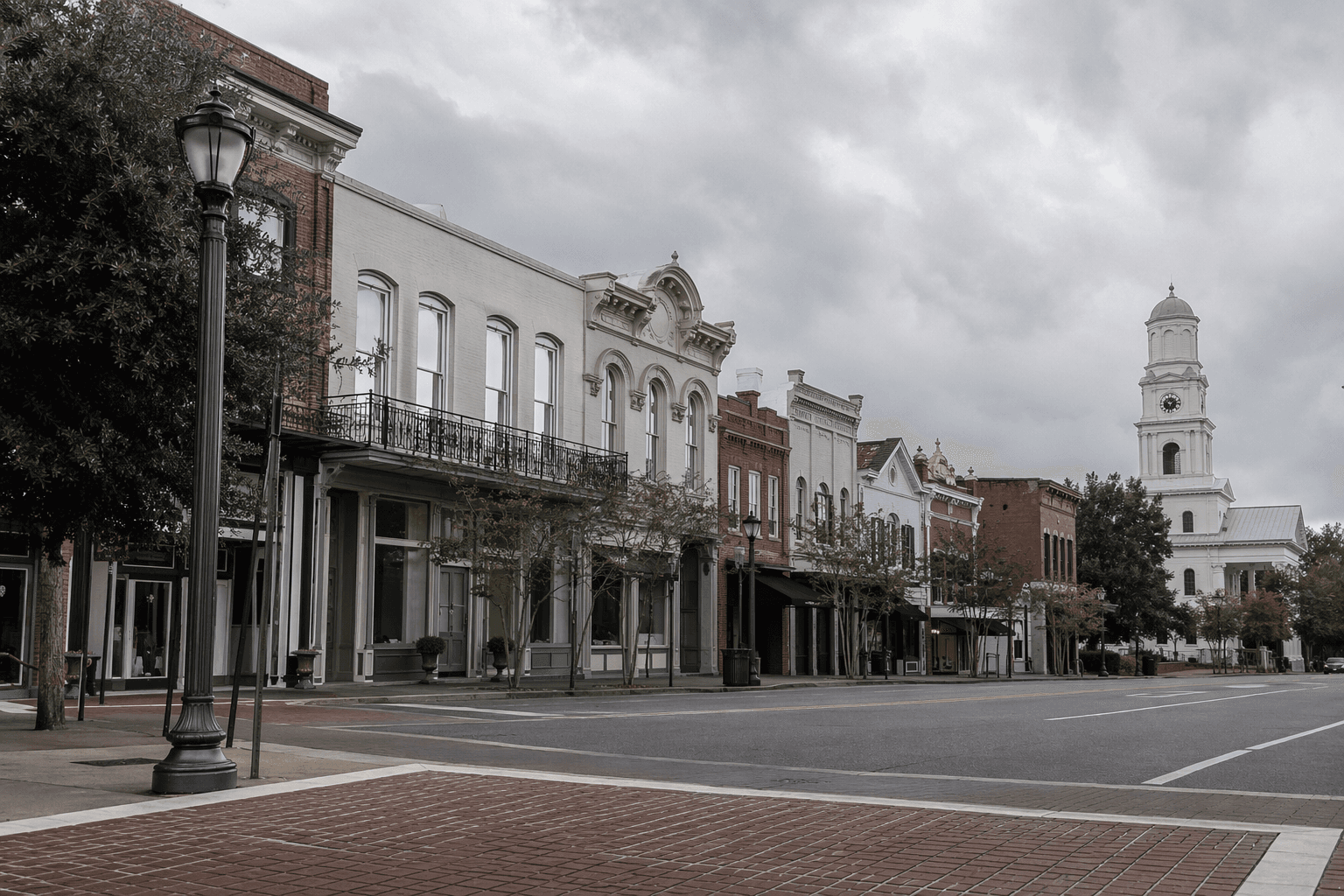
That review system matters most when someone wants to alter what people see from the street. At a City of Oxford Historic Preservation Commission meeting on October 4, 2021, administrative approvals included signage for businesses such as Kaleidoscope and Bottle Tree.
For business owners, that means the district shapes more than appearance. New signs, exterior renovations and other visible updates are part of a regulated environment where the historic character of the square carries weight. For tenants, it means the space they occupy is not interchangeable with any other commercial address in Oxford. The district setting becomes part of the leasehold value, the customer experience and the way a storefront presents itself to the street.
Why 72 resources shape investment decisions
The district contains 72 resources, and its value depends on the collective whole, not a handful of signature buildings. When a district has that many contributing resources, investment decisions have to account for how one change can affect the larger historic fabric around it.
Historic districts often hold their value because the surrounding setting stays legible, walkable and visually coherent. On Oxford Courthouse Square, the district status helps keep the central business area recognizable as a historic place rather than a generic commercial strip. That stability matters to landlords, tenants and lenders because it preserves the setting that draws foot traffic and supports the square’s identity.
Tourism, civic identity and the local economy
The Mississippi Hills National Heritage Area identifies Historic Oxford Square and the Lafayette County Courthouse as a destination, and the Oxford-Lafayette Chamber of Commerce highlights Historic Oxford Square as part of Oxford culture. Visitors are drawn to places that still look and feel distinct.
The preservation district helps sustain that appeal by keeping the courthouse square readable as a historic center. Visitors do not come for isolated buildings alone. They come for the full scene, the courthouse, the storefronts, the scale of the streets and the continuity that makes the square feel like Oxford. Preservation rules on signs, façades and code-related matters influence the look that supports tourism traffic and the reputation of downtown as a place worth spending time.
How Oxford’s preservation system is set up
Oxford’s courthouse square has its own preservation commission, which meets the first Monday at 5:00 pm in the front conference room of City Hall. The city also maintains a separate Historic Preservation Commission for other districts, including South Lamar, the Depot District, Jefferson Madison and North Lamar. The courthouse square is treated as a distinct preservation area with its own oversight.
The structure gives the city a way to manage downtown change without treating every block the same. Because the square is both a working business district and a historic place, the commission framework helps the city balance routine commercial needs with preservation review.
This article was produced by Prism’s automated news system from verified source data, official records, and press releases, then run through automated quality and moderation checks before publishing. The system is built and supervised by the people who set the standards it runs under. Read our full AI policy.
Did this article answer your question?