Beaver Bay keeps 1958 smelt fry tradition alive at Green Door
Beaver Bay's smelt fry drew a sellout crowd to the Green Door, where $10 pre-sale meals and a 1958 recipe kept money and volunteers tied to the town's spring season.
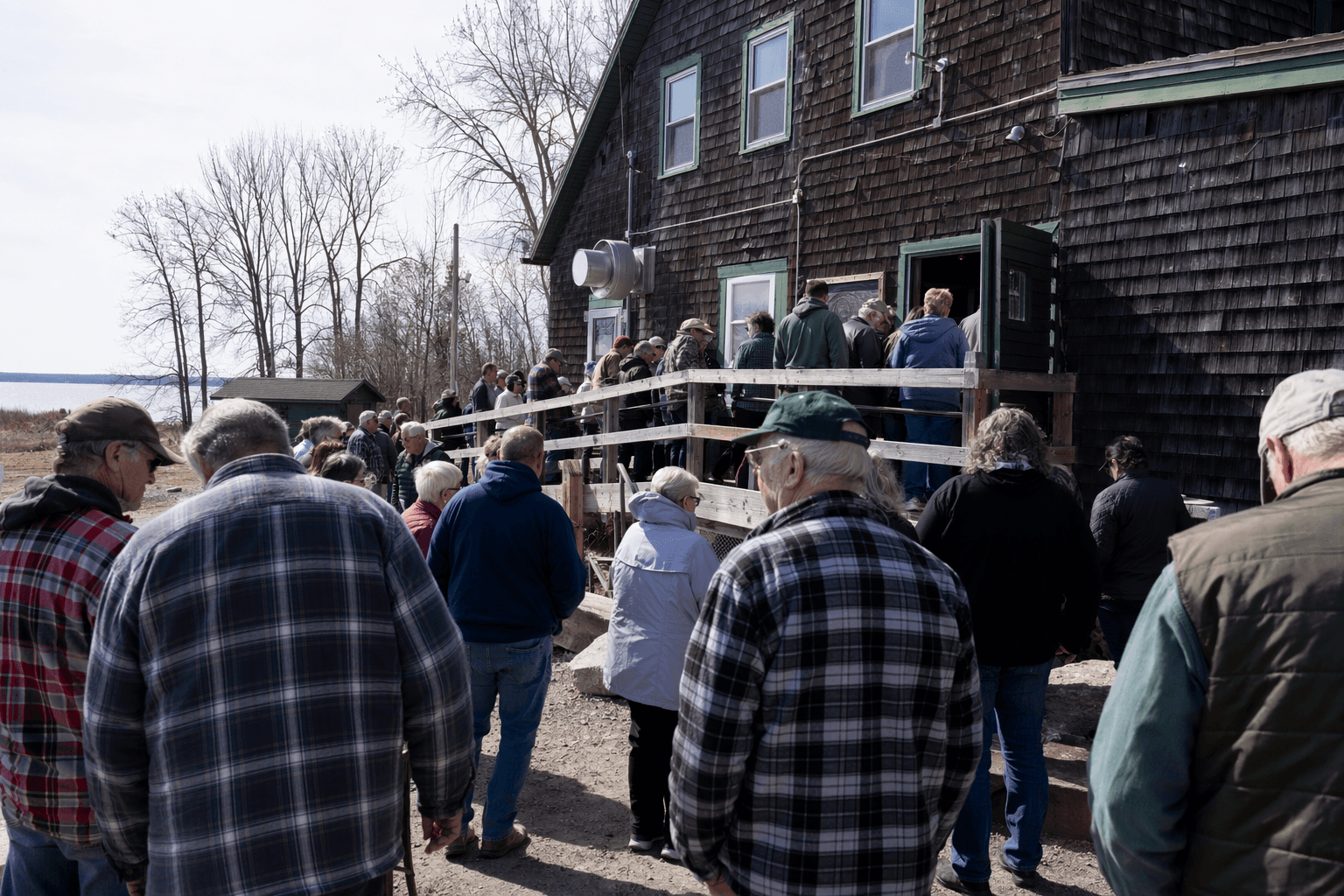
At 1002 Main Street, the Green Door Municipal Bar's annual smelt fry was more than a supper special. In Beaver Bay, the all-you-can-eat meal functioned as a small-town revenue day, pulling in locals, seasonal homeowners and North Shore travelers for one of the few spring events that can still fill a room and move cash through a town that depends on traffic up and down Lake County.
The 2026 Historic Green Door Smelt Fry centered on the original recipe traced to the first Beaver Bay Fire Department fish fry in 1958. The plate came with tartar sauce, coleslaw, potato chips and the classic orange drink, a familiar combination that organizers paired with a $10 pre-sale price and a $15 day-of price. That pricing told its own story: the fry was expected to sell out before the doors even opened, leaving anyone who waited to pay more or miss it entirely.
The event also rested on volunteer labor that has shaped the tradition for decades. Dan Cahill served as event and food coordinator, and volunteers cleaned smelt in a large tub at the Green Door before the fry. An engraving on the bar marked the fish fry as continuing since 1958. In 2024, the gathering had expanded beyond the meal itself to include live music, bouncy castles and an outdoor expo, showing how the fry had grown from a dinner into a larger community draw without losing the old recipe at its center.

That mix of memory and commerce mattered because Beaver Bay does not have many chances to turn a single evening into a seasonal boost. Every sold ticket meant direct food sales for the bar and more people spending time in town, which matters in a place that lives on North Shore traffic and a narrow spring-to-fall tourism season. If traditions like this stopped drawing crowds, Beaver Bay would lose more than a plate of fried smelt. It would lose a reliable spring event, the volunteer work that keeps the tradition visible, and the kind of recurring foot traffic that helps small-town businesses survive on Lake County's seasonal rhythm. Minnesota conservation officers were still spending time monitoring smelt anglers in the Duluth area, a reminder that the fish and the community ritual around them remain part of the region's living economy.
This article was produced by Prism’s automated news system from verified source data, official records, and press releases, then run through automated quality and moderation checks before publishing. The system is built and supervised by the people who set the standards it runs under. Read our full AI policy.
Did this article answer your question?