Fire weather watch warns Lake County of fast-spreading blazes
Dry air, gusty winds and spring burn restrictions lined up over Lake County just before the Stewart Trail Fire jumped to 100 acres north of Two Harbors.

Dry air and strong wind turned Lake County into a fast-spread fire threat, with the Duluth National Weather Service warning that flames could race through any new ignition as relative humidity dropped as low as 15 percent and west winds gusted up to 40 mph. Red Flag Warnings were in effect, and officials said the safest move was to avoid outdoor burning altogether.
The danger was not abstract. Lake County was already under spring open-burning restrictions beginning Saturday, May 2, at 8 a.m., after the Minnesota Department of Natural Resources added the county to its restricted list. The DNR says escaped fire from burning vegetative debris is the number one cause of wildfires in Minnesota, and its fire danger and burning restrictions maps are updated daily as conditions change.
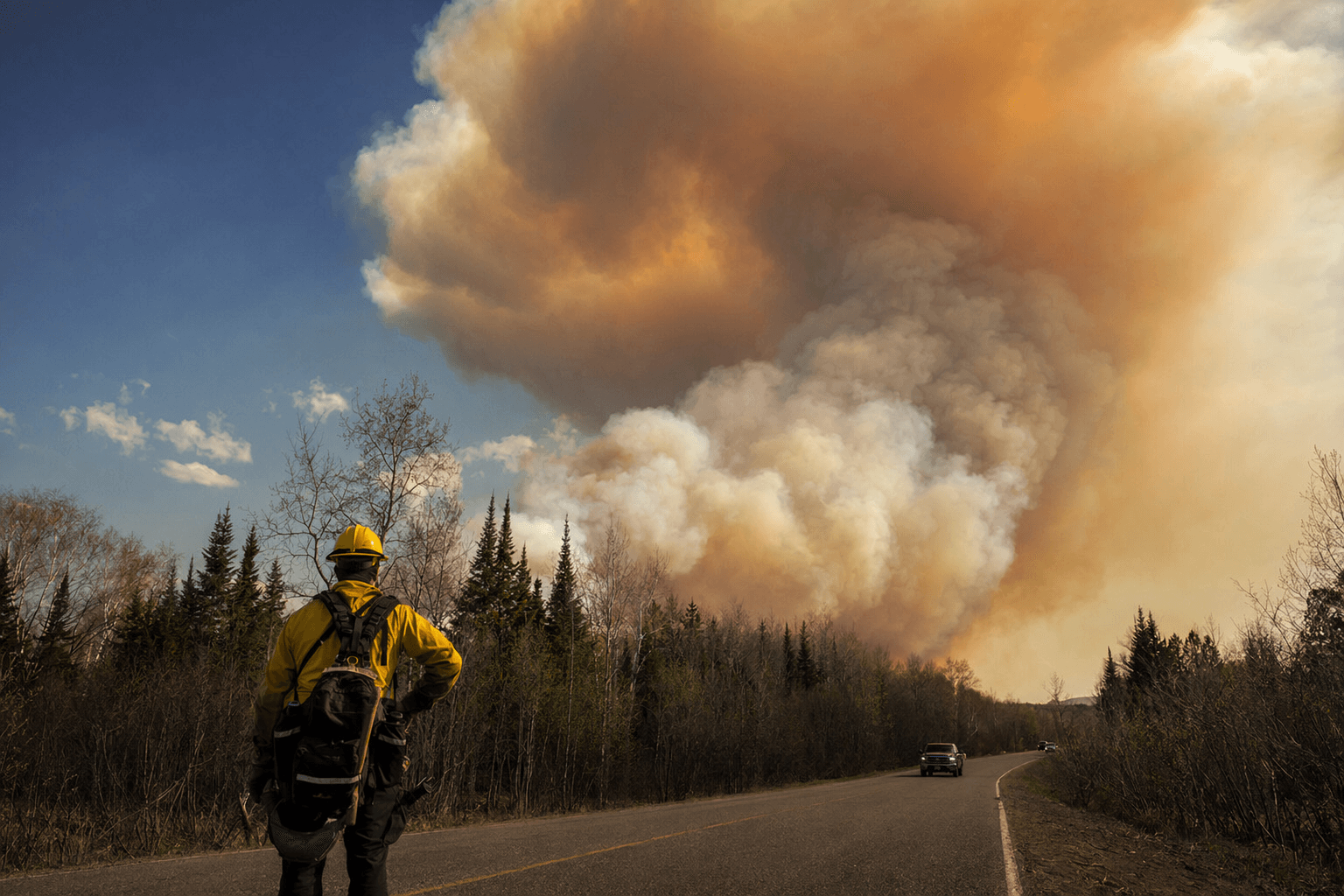
That mattered on the North Shore, where wooded terrain, scattered homes and roadside vegetation can turn a small spark into a wider emergency before crews can get there. The National Weather Service in Duluth said critical fire weather was ongoing on May 15, with hot, dry and windy conditions making fires more likely to spread quickly across north-central Minnesota, northeast Minnesota and northwest Wisconsin. For homeowners, cabin owners, contractors and anyone considering a burn pile, the message was simple: delay the work and keep fire outside a closed book until conditions improve.
The warning gained urgency one day later when the Stewart Trail Fire was detected during the afternoon of Friday, May 15, near Lake County Highway 3 and U.S. Highway 61, about 3 miles north of Two Harbors. MNICS initially estimated the fire at 100 acres with 0 percent containment. Local reports said Highway 61 was closed near Two Harbors, multiple structures were destroyed and evacuations were advised.
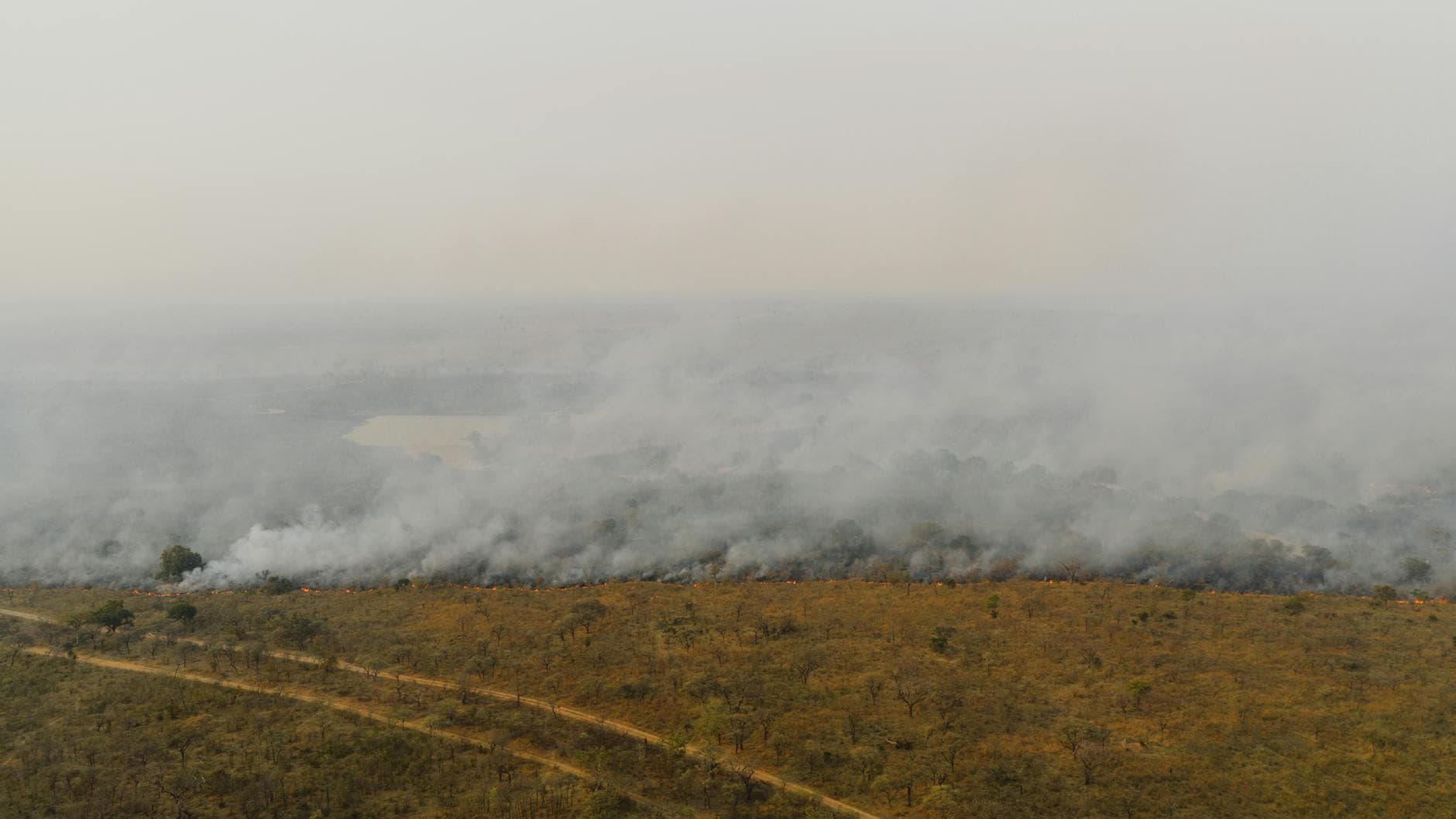
For Lake County, the sequence showed how quickly weather and behavior can collide. A burn that seems manageable in calm conditions can become uncontrollable once wind picks up and humidity collapses. With restrictions already in place, and with the DNR warning that permit rules do not erase hazardous fire weather, the practical decision point was clear: cancel outdoor burning, postpone yard waste piles and treat any spark near dry fuel as a potential community emergency.
This article was produced by Prism’s automated news system from verified source data, official records, and press releases, then run through automated quality and moderation checks before publishing. The system is built and supervised by the people who set the standards it runs under. Read our full AI policy.
Did this article answer your question?