Boundary Waters could reopen overnight use at 37 entry points next week
The Forest Service may reopen 37 Boundary Waters entry points for overnight use July 30, but Monday's wildfire check will decide whether the plan holds.
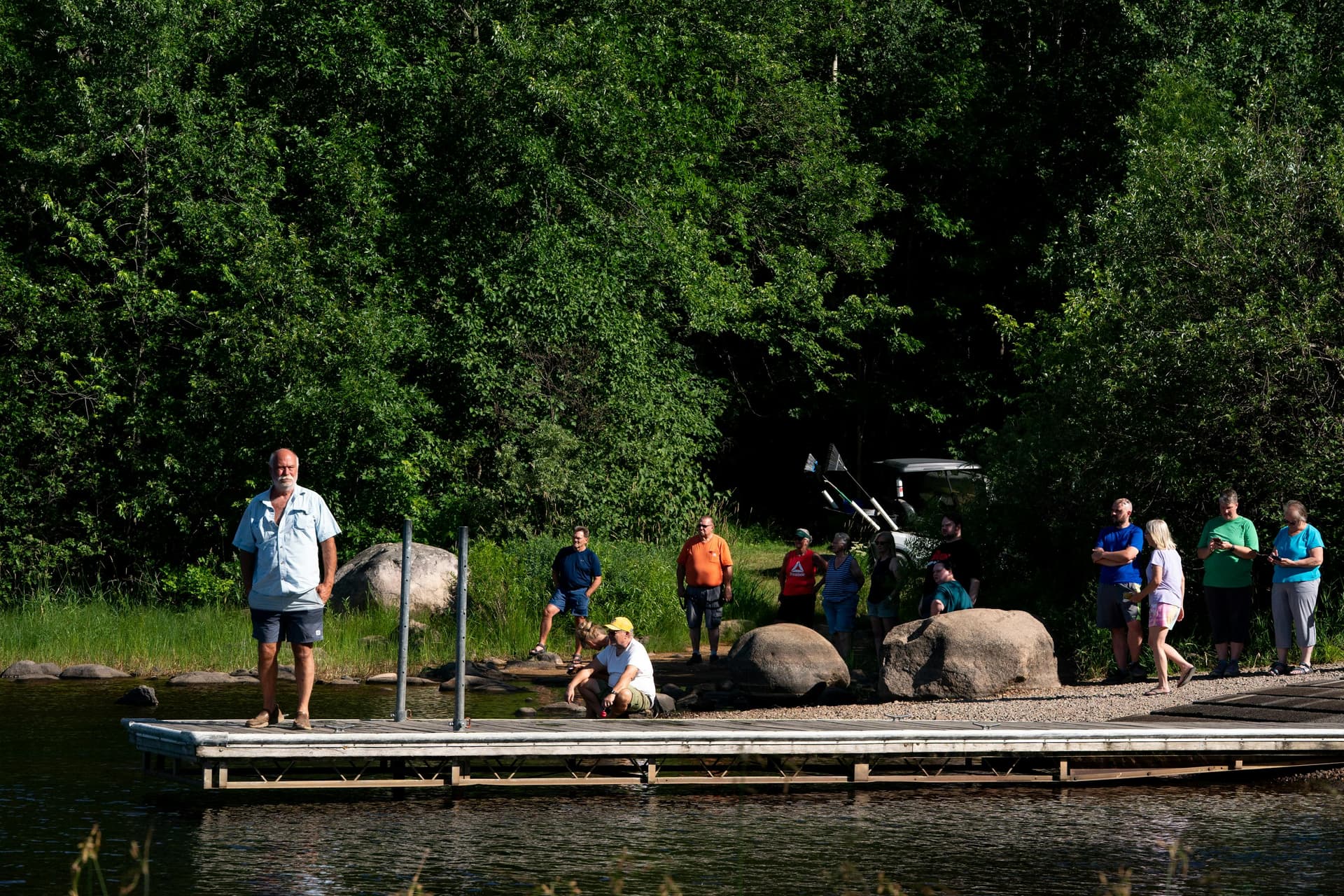
The U.S. Forest Service is weighing whether to reopen overnight use at 37 Boundary Waters entry points on July 30, a move that would restore access to about 424,231 acres, or 39% of the wilderness, if wildfire conditions keep improving. Officials said they will decide by Monday, leaving Ely-area outfitters, seasonal workers and Lake County families with trips booked in a narrow window of uncertainty.
The proposal is the second phase of reopening after the emergency closure tied to multiple wildfires in Superior National Forest. It would affect 37 of the Boundary Waters Canoe Area Wilderness’s 103 quota entry points, with the reopening focused on the eastern side of the forest, including the Gunflint and Tofte districts. A separate step would already restore day use at select entry points starting Monday, showing that the agency is moving back in stages rather than lifting restrictions all at once.

The benchmark driving the decision is whether fire conditions remain favorable enough to safely allow overnight travel. The Forest Service has not treated July 30 as automatic, and the timeline could slip if wildfire behavior worsens or if smoke and weather make the area less safe. For permit holders, the practical question now is whether their route sits inside the 37-entry-point reopening and whether their trip can survive a delay if the Monday decision pushes the date back.
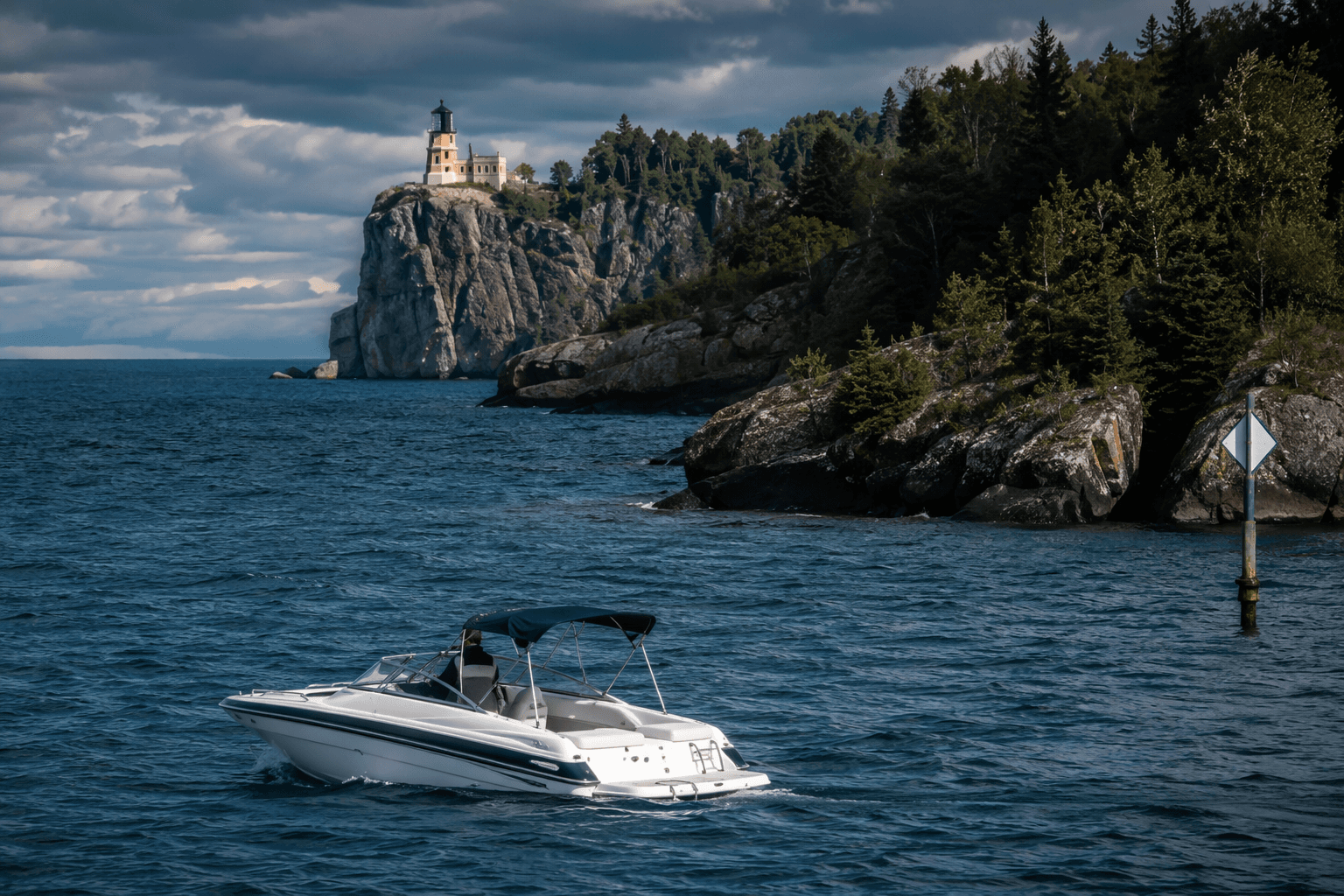
The stakes are larger than a single travel window. Minnesota historical and tourism sources describe the Boundary Waters as the most heavily used wilderness in the country, with about 250,000 visitors a year, more than 1,200 miles of canoe routes, over 1,000 lakes, 12 hiking trails and more than 2,000 designated campsites. That scale is why any delay or partial reopening quickly reaches businesses and families across Lake County, the North Shore and the Arrowhead region.
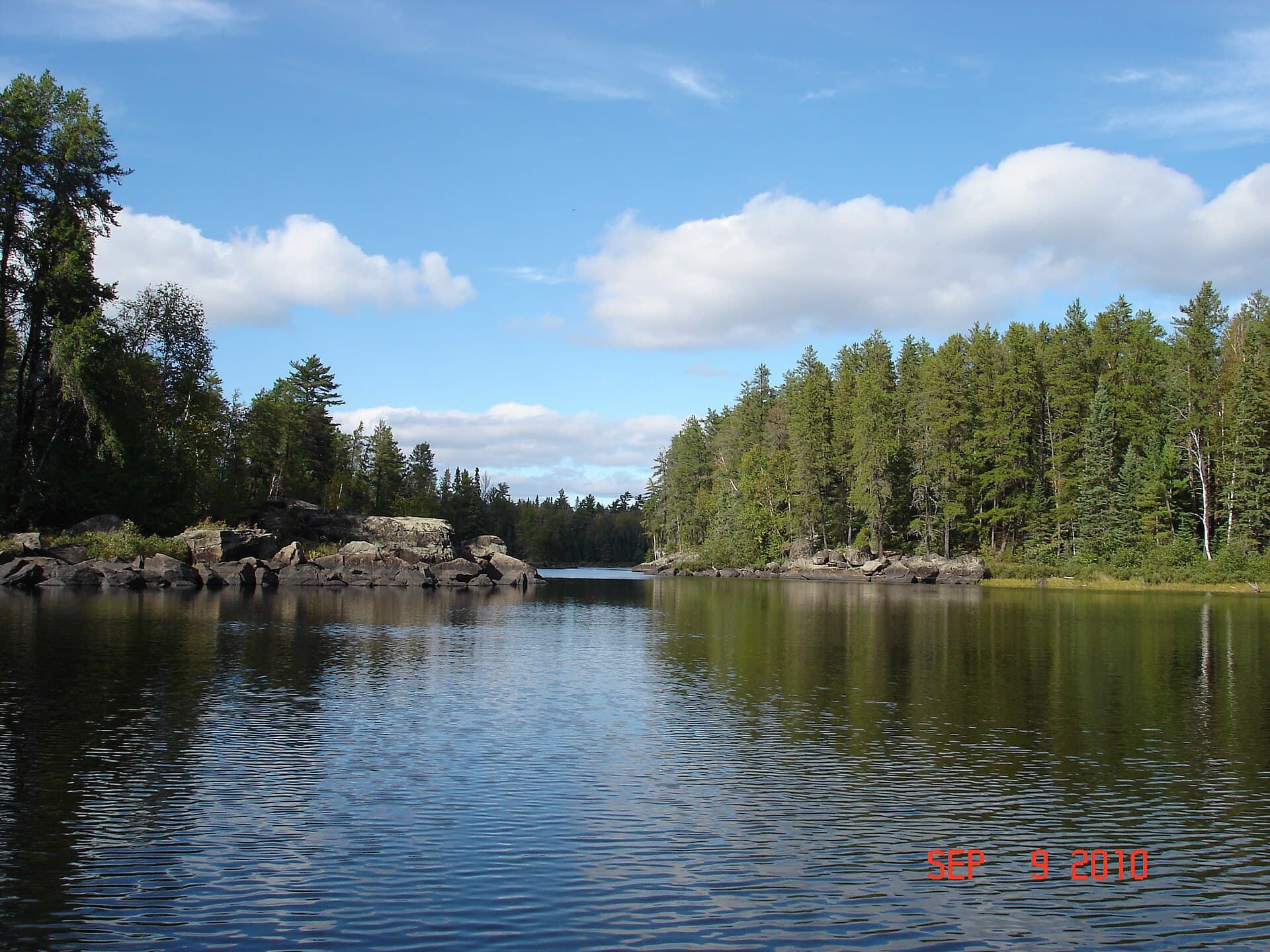
The closure began July 10 after wildfire activity forced the Forest Service to shut access to parts of the wilderness and ban campfires. Local coverage described the shutdown as rare, and WDIO reported Superior National Forest had seen up to 19 wildfires since July 7 before the closure expanded. After weeks of disrupted permits and uncertain itineraries, Monday’s call will determine whether late-July trips can move ahead or whether more summer bookings stay on hold.
This article was produced by Prism’s automated news system from verified source data, official records, and press releases, then run through automated quality and moderation checks before publishing. The system is built and supervised by the people who set the standards it runs under. Read our full AI policy.
Did this article answer your question?