DNR Urges North Shore Residents to Remove Bird Feeders as Bears Emerge
Andrew Tri, the DNR's bear project leader, warns North Shore cabin and campground owners that a bird feeder left up this week can set off a season of property damage and costly interventions.
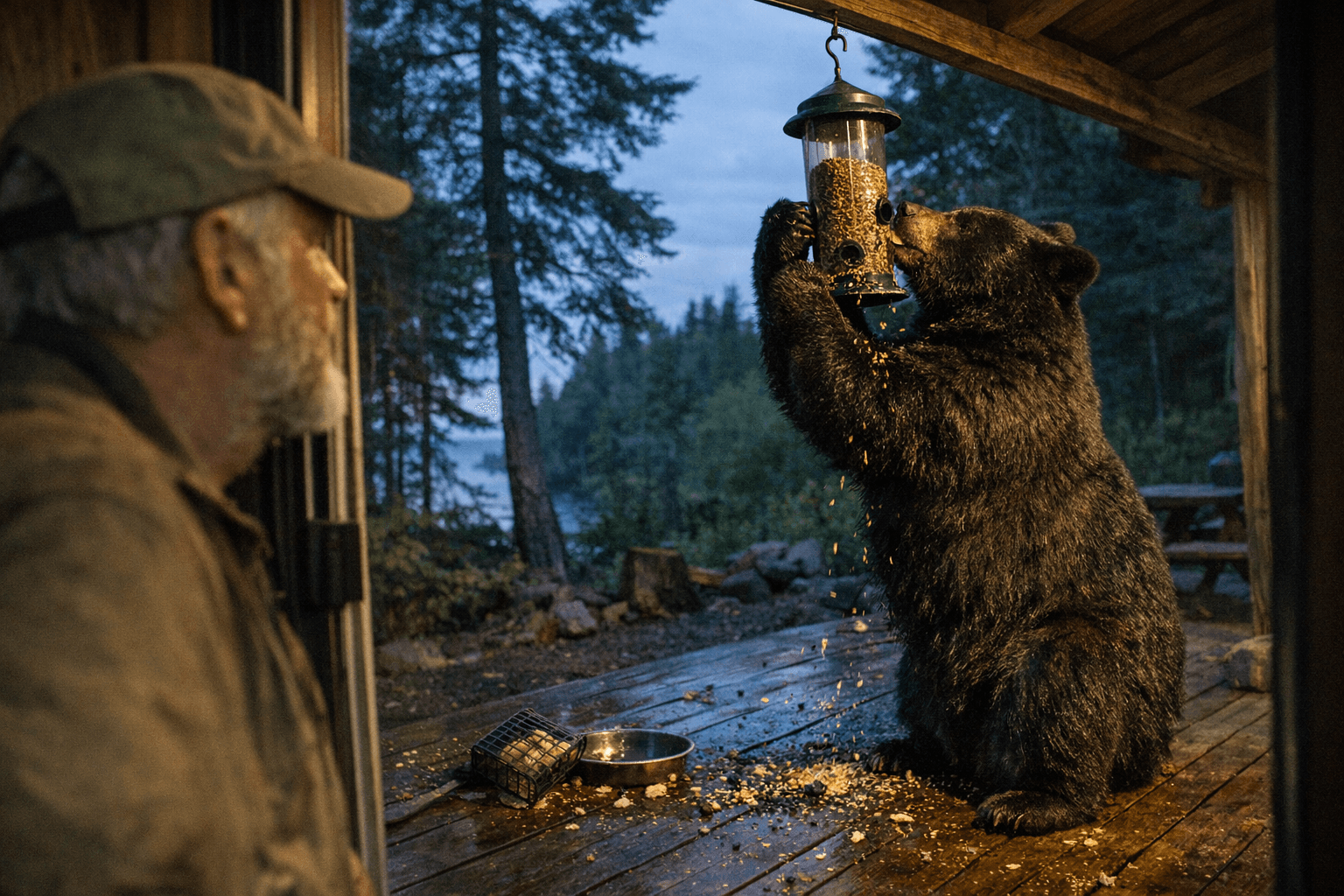
Andrew Tri's warning to North Shore property owners was as direct as any wildlife advisory gets: "Bird feeders can become bear feeders." The Minnesota DNR bear project leader delivered that message March 23 as black bears began emerging from winter dens statewide, and for Lake County's dense mix of year-round homeowners, cabin owners, and short-term rental operators, the subtext is financial.
A bear that finds easy calories at a property quickly becomes what wildlife managers call food-conditioned, a behavioral shift that typically ends in a removal order and, in many cases, euthanasia. Short of that outcome, a single bear intrusion can mean damaged siding, broken windows, or ransacked garbage cans, all subject to a homeowner's insurance deductible. For a campground or cabin rental booked through the spring shoulder season, a bear incident also lands in guest reviews and can shadow summer reservations.
The DNR advisory identified three attractants responsible for the bulk of preventable conflicts in residential and recreational areas: birdseed and suet left in feeders, unsecured garbage and recycling, and grease residue on outdoor grills. All three have immediate, low-cost fixes. Taking feeders down and sweeping up spilled seed costs nothing. Moving a garbage can inside or latching a secured dumpster takes less than a minute. Running a grill brush over burner grates after every cookout adds thirty seconds. The DNR urges that feeders stay down until late spring or early summer, not just for a few days.
The timing matters. Adult male bears and subadult bears are already ranging widely in search of post-hibernation calories, while females with cubs remain closer to den sites for now. That window makes late March and early April the highest-leverage period for reducing conflict before patterns get established. Minnesota recorded its highest bear complaint totals in a decade during 2024, and Tri has pointed out that bears, as opportunistic foragers, will return repeatedly to any location where they previously found food.
Lake County's geography compounds the risk. Waterfront cabins, rural residential lots, and active campgrounds sit in close proximity along the North Shore, creating a corridor of potential attractants within a small area. The DNR specifically advises campground managers and short-term rental hosts to post BearWise signage and brief arriving guests on the rules, a step that costs nothing and distributes responsibility clearly to visitors.
The BearWise checklist extends beyond the obvious. Pet food left on porches, fallen fruit in yards, and compost bins containing sweet or sugary scraps all register as food sources for a hungry bear in spring. The DNR recommends delaying addition of fruit and other high-sugar materials to outdoor composters until late summer. Grills should be cleaned and stored after each use, not left between uses on a deck or patio.
Residents with an active bear problem or questions about specific attractants can contact their local DNR wildlife manager or conservation officer directly. The calculus, as Tri's team frames it, is simple: a feeder taken down this week is a removal call that never has to be made.
This article was produced by Prism’s automated news system from verified source data, official records, and press releases, then run through automated quality and moderation checks before publishing. The system is built and supervised by the people who set the standards it runs under. Read our full AI policy.
Did this article answer your question?