George H. Crosby Manitou State Park offers Lake County backcountry challenge
George H. Crosby Manitou is Lake County’s true backcountry test: steep trails, hike-in campsites, and a long carry to solitude.
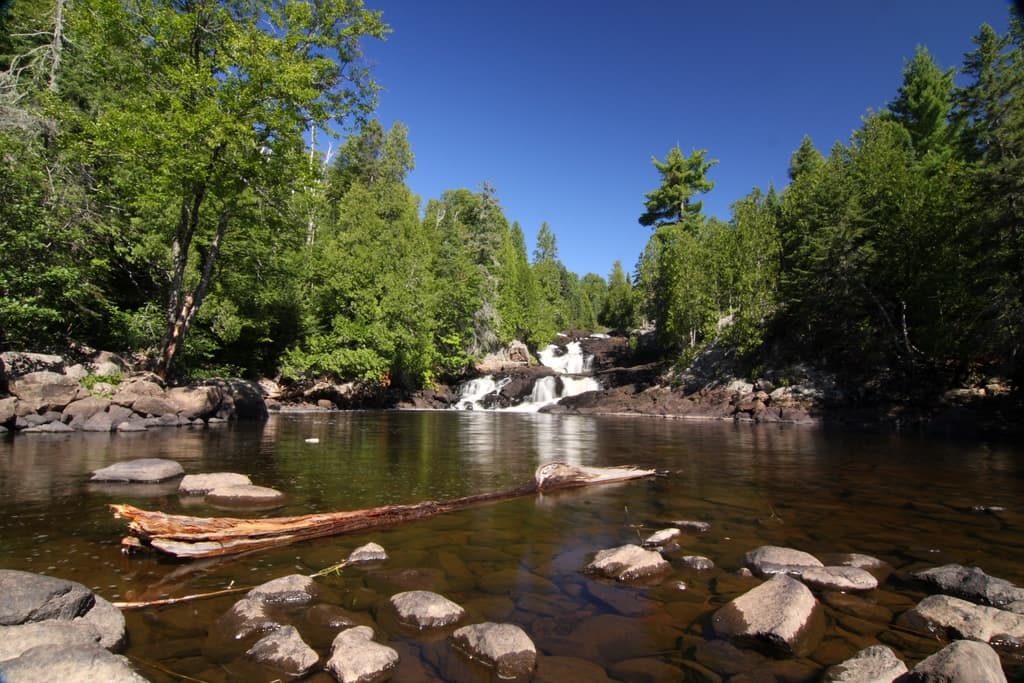
Backpack-only campsites, steep foot trails, and a landscape shaped by the Manitou River, Benson Lake, and a volcanic canyon define George H. Crosby Manitou State Park. It is the North Shore stop you choose for Lake County’s most committed wilderness experience, not for a quick overlook and a paved walk back to the car.
The park’s entrance sits eight miles northeast of Finland on County State-Aid Highway 7, in the Silver Bay area of Lake County. It is built for people willing to plan ahead, carry their own gear, and accept that the reward comes after effort, not before it.
Who this park is really for
George H. Crosby Manitou is best for backpackers, experienced hikers, and paddlers who want solitude more than convenience. The Minnesota Department of Natural Resources identifies it as a north-country wilderness park where waterfalls cascade through a volcanic canyon, trails run through fir, cedar, spruce, and northern hardwoods, and secluded campsites are reserved for backpackers only.
That makes it different from the more accessible Lake County state parks that draw day-trippers to scenic overlooks and roadside amenities. Crosby Manitou has remote campsites and a trail network rooted in the forest and river corridor.
What the terrain demands
The park covers about 3,400 acres and has 24 miles of foot trails. Those miles are not a casual stroll through flat ground. The trails are steep, rocky, and intended for hikers who are comfortable with backcountry conditions and elevation changes.
The easiest entry point is the Benson Lake trail and picnic area, which works well if you want to get a feel for the park without committing to a long overnight carry. From there, hikers can reach the falls of the Middle Manitou River and West Manitou River, and the route choices broaden quickly.
For a practical first visit, think in terms of what you want to carry and how far you want to walk. The remote hike-in campsites are roughly 1/4 to 4-1/2 miles from the parking area, so even the overnight stays begin with a meaningful approach.
A backcountry overnight requires real preparation
This is one of Minnesota’s 64 state parks, but it operates more like a backpacking destination than a traditional campground. The park remains backpack-only today, and visitors should contact Tettegouche State Park for information because Crosby Manitou has no office hours of its own.
The park does not function like a staffed recreation hub. You need to arrive ready for self-sufficiency, with enough food, water treatment, navigation, and weather protection to handle a remote hike-in stay.
A practical checklist for an overnight trip here looks like this:
- Pack in everything you need and pack out everything you bring.
- Plan for steep, uneven, and rocky trail conditions.
- Treat the hike to camp as part of the trip, not as a short walk.
- Confirm current park information through Tettegouche before heading out.
- Expect a quiet, low-infrastructure setting rather than roadside services.
Benson Lake is the gentlest starting point
If you want to ease into the park, Benson Lake is the most approachable place to begin. The area includes a boardwalk and picnic space, and the lake itself is non-motorized, which keeps the setting calm and quiet. Canoe and kayak travel fit naturally here, and the DNR lists trout and splake in the lake.
A visitor can start with a short scenic stop at Benson Lake, then move into a longer hike toward the Manitou River cascades and the backpacker-only campsites.
Wildlife and forest ecology are part of the experience
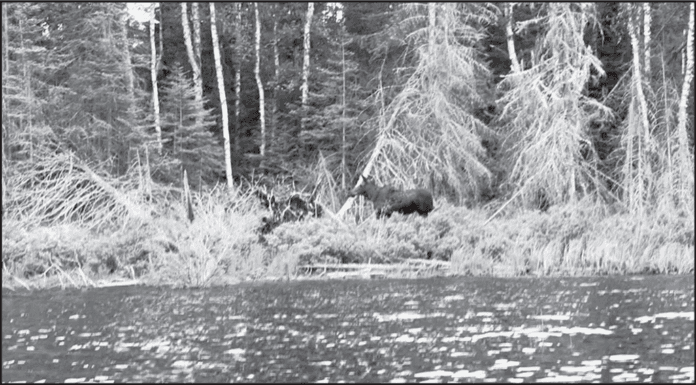
Old-Growth Forest Network identifies the park as home to snowshoe hare, red squirrels, Canada jays, sharp-shinned hawks, and beaver, and the DNR lists moose, deer, bear, and wolves among the wildlife visitors may encounter.
The park protects an intact forest-and-river landscape. Forests, wetlands, and river frontage create the setting for both the hiking challenge and the wildlife habitat.
A Parks & Trails Council of Minnesota project page says 240 acres of river frontage were acquired for park use in 1993 and conveyed to the park in 1995. That land includes heavily forested hills and wetlands along the Manitou River.
How the park came to be
The park’s modern identity goes back to George H. Crosby’s gift of land to the state by quitclaim deed dated January 22, 1954. The Minnesota Legislature accepted the gift in 1955 and set the land aside as a state park, establishing the legal foundation for what became Minnesota’s first state park designed primarily for backpackers.
This article was produced by Prism’s automated news system from verified source data, official records, and press releases, then run through automated quality and moderation checks before publishing. The system is built and supervised by the people who set the standards it runs under. Read our full AI policy.
Know something we missed? Have a correction or additional information?
Submit a Tip