Wolves attack calf moose near Boundary Waters in rare scene
A quiet paddle near the Boundary Waters turned into a wolf attack on a calf moose, a rare scene that underscored how raw the North Shore wilderness still is.
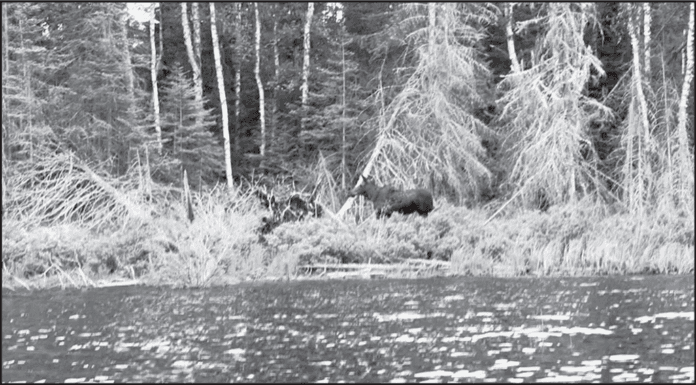
A routine fishing trip on a lake at the edge of the Boundary Waters Canoe Area Wilderness turned into a rare and unsettling wildlife scene when a pack of wolves attacked a calf moose in front of Joe Friedrichs. The June 10 encounter, later described in a June 18 North Shore Journal story and identified by Paddle & Portage, showed how quickly the backcountry around Lake County can shift from calm water to a predator-prey struggle.
Friedrichs had reportedly been anchored in a solo canoe for about 10 minutes when the wolves and two moose crashed through the brush and timber along the shoreline. The cow moose tried to defend her calf and struck one of the wolves with a powerful kick, but the predators quickly overmatched the young animal. The account described the calf’s final cries and the yelp of the wolf hit by the mother moose, a stark reminder that the Boundary Waters still operates on natural rules that visitors rarely get to see so directly.
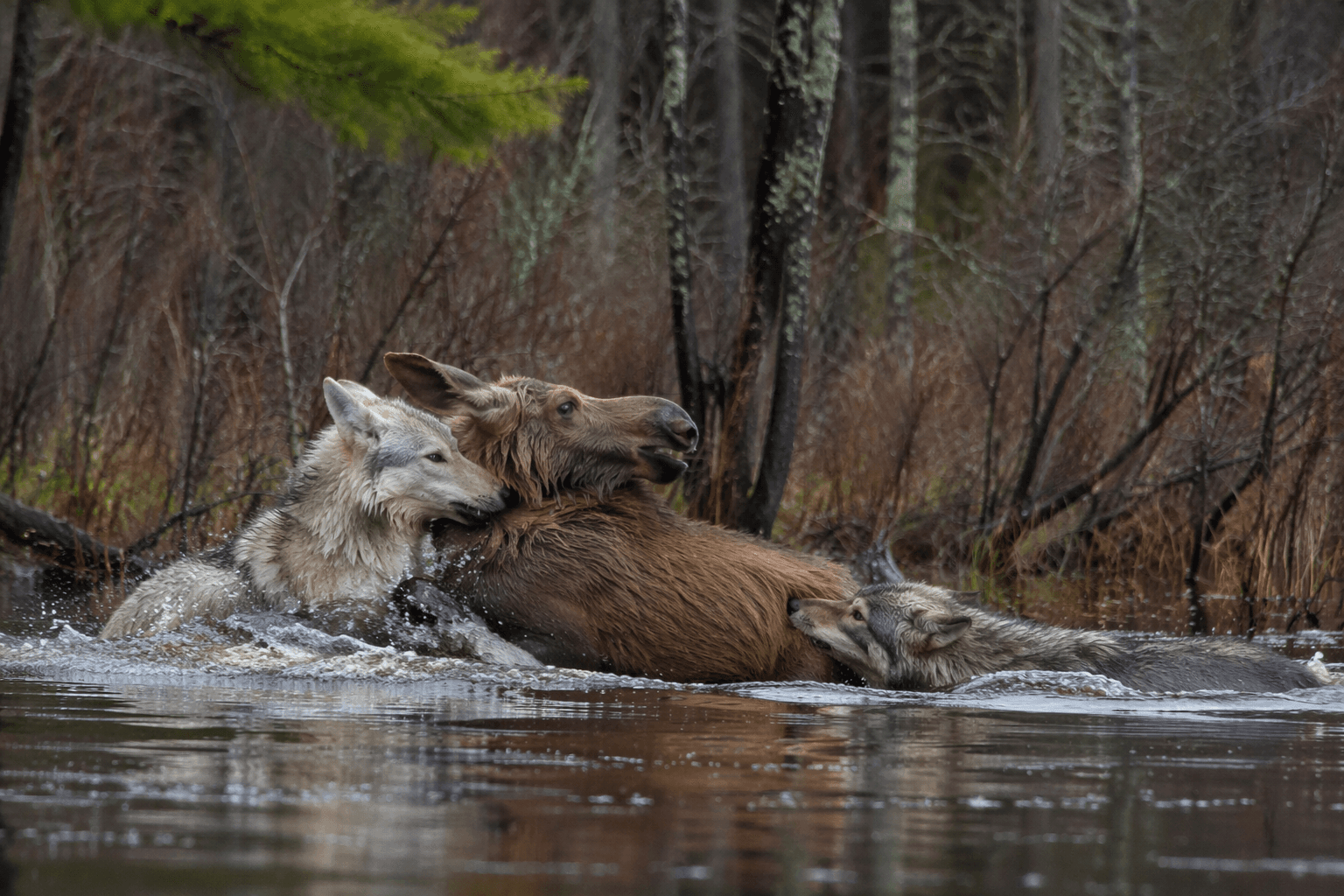
The Minnesota Department of Natural Resources places that encounter squarely in ecological context. In its wolf management materials, the agency says wolf predation is the leading cause of death for moose calves during their first 30 to 50 days of life. The DNR says its updated wolf management plan is designed to guide wolf conservation and management for the next 10 years, including population monitoring, depredation control and public safety. The point is not that the Boundary Waters scene was unusual in biological terms, but that it was unusual to witness it from a canoe.
For moose, the timing also fit the season. DNR materials say moose in early summer feed on water plants in ponds and along lake shores, exactly the kind of habitat that lines lakes in northeastern Minnesota. The agency says the best moose habitat in the state is in young forests in the northeast, including the Boundary Waters region and the broader Superior National Forest. That makes sightings possible for paddlers and anglers, but a wolf attack in plain view remains something most people will never see.
The incident lands with added weight because DNR research has tracked the losses for years. The agency began a moose calf mortality study in northeastern Minnesota in 2013 to better understand reproductive success, survival, causes of death and habitat use. A DNR summary reported that 50 percent of collared calves died within 50 days of birth, and another summary said the northeastern Minnesota moose population declined 55 percent from 2005 to 2016. For Lake County residents and Boundary Waters visitors, the message is plain: even in heavily used recreation country, the wild still delivers sudden, unscripted scenes, and the safest response is to keep distance, stay out of the animals’ path and let the encounter unfold without interference.
This article was produced by Prism’s automated news system from verified source data, official records, and press releases, then run through automated quality and moderation checks before publishing. The system is built and supervised by the people who set the standards it runs under. Read our full AI policy.
Know something we missed? Have a correction or additional information?
Submit a Tip