Winds keep Stewart Trail fire threat alive near Two Harbors
Thirty percent containment did not end the danger. Winds kept crews on alert near Two Harbors as Highway 61 stayed closed and evacuations continued.

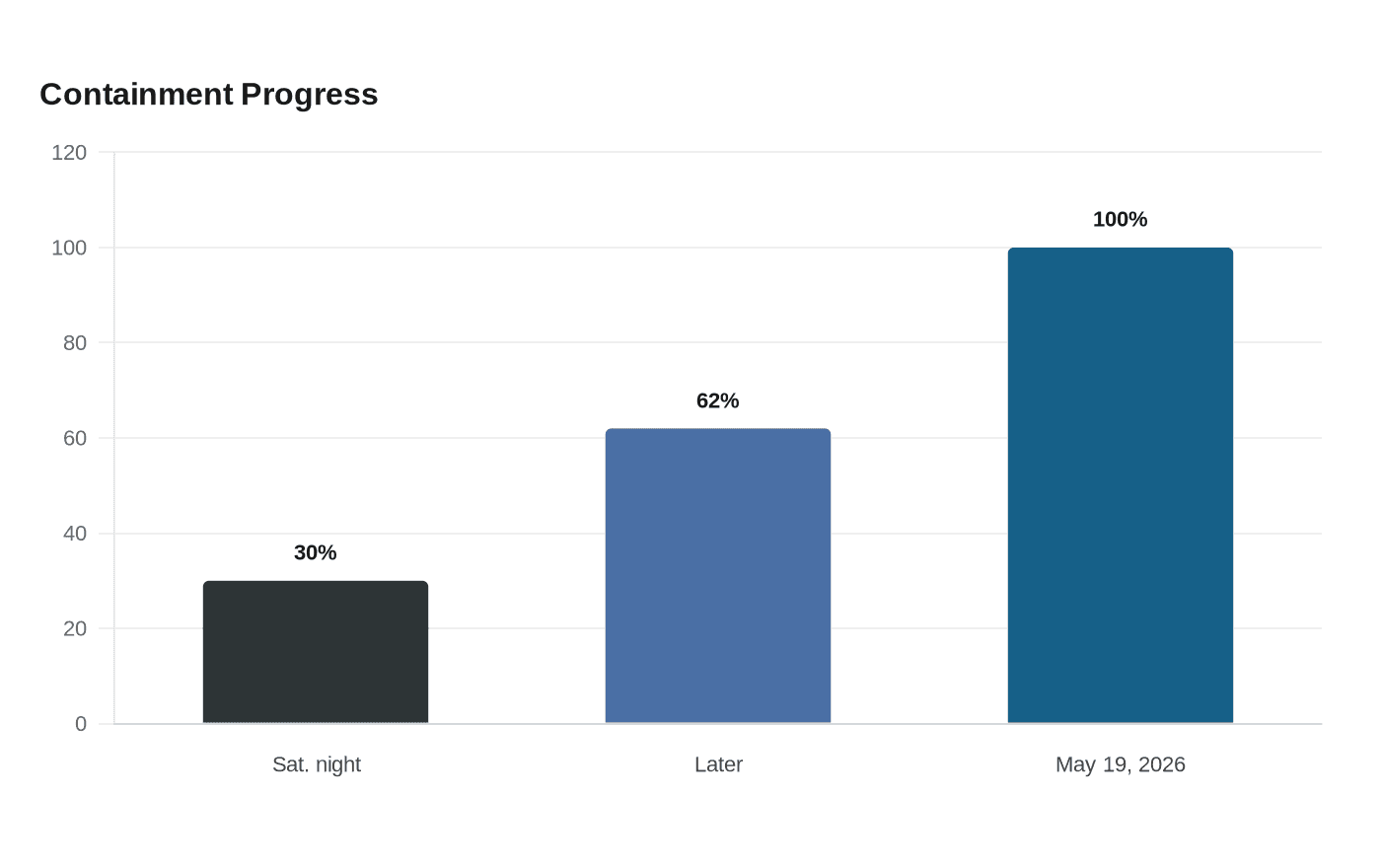
Wind kept the Stewart Trail Fire from feeling contained to anyone living near Two Harbors. By Saturday night, the blaze had grown to about 355 acres and was only 30% contained after being detected May 15 near Lake County Highway 3 and U.S. Highway 61, about three miles north of town. The fire had already destroyed 34 structures, including eight primary homes and 26 outbuildings, while U.S. Highway 61 remained closed between Two Harbors and Silver Bay and evacuation orders stayed in effect.
That 30% figure mattered because it did not mean the fire was out. It meant crews still had active edges to watch, hotspots to cool and changing winds to track before they could start calling the scene stable. In a wooded stretch of the North Shore, that left structures, road access and nearby neighborhoods vulnerable to sudden shifts in fire behavior, especially when suppression teams were still trying to secure the perimeter.
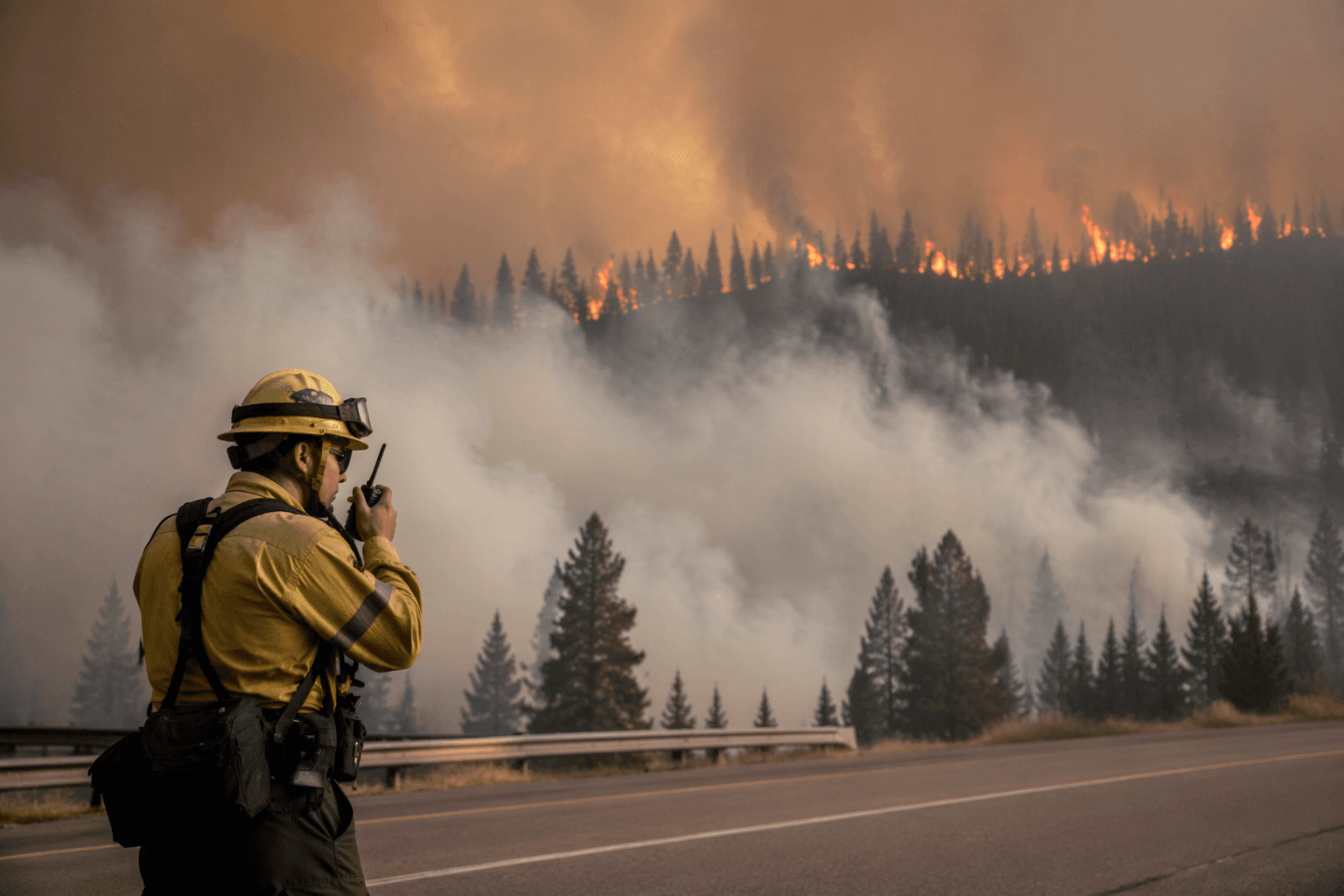
The response drew in a wide state and local operation. Governor Tim Walz visited Two Harbors while wildfire response continued, and the Minnesota National Guard assisted alongside the Minnesota Department of Natural Resources, the Minnesota Interagency Fire Center and local agencies under the Minnesota Incident Command System. Lake County officials said the fire later was determined to have been caused by a power line, underscoring how an infrastructure failure turned into a major public-safety emergency for the county.
Conditions eventually improved as precipitation helped crews gain ground. Officials later said containment rose to 62%, and one firefighter said, “We were fortunate to get some rain on it.” By Monday, May 19, 2026, the fire was 100% contained and Highway 61 reopened after a four-day closure, ending one of the most disruptive transportation shutdowns on the North Shore in recent memory.
The county’s work did not stop when the flames were out. Lake County later set up temporary disposal sites for fire-related debris, and by June 4 it was still managing recovery steps tied to the damage. The county said the temporary transfer station for burned building and demolition materials would close July 2, while new wildfire evacuation zones were being rolled out in 2026, a change tied to lessons from the Camphouse Fire. For Lake County, the Stewart Trail Fire became more than a suppression story: it became a test of how quickly the North Shore can move from emergency response to recovery when the weather, the roads and the risk still have not settled.
This article was produced by Prism’s automated news system from verified source data, official records, and press releases, then run through automated quality and moderation checks before publishing. The system is built and supervised by the people who set the standards it runs under. Read our full AI policy.
Know something we missed? Have a correction or additional information?
Submit a Tip