Lake County dust control policy ties treatment to traffic counts
Lake County ties dust treatment to daily traffic counts, with the busiest gravel roads getting solid control and quieter stretches eligible for front-of-home or cost-share treatment.
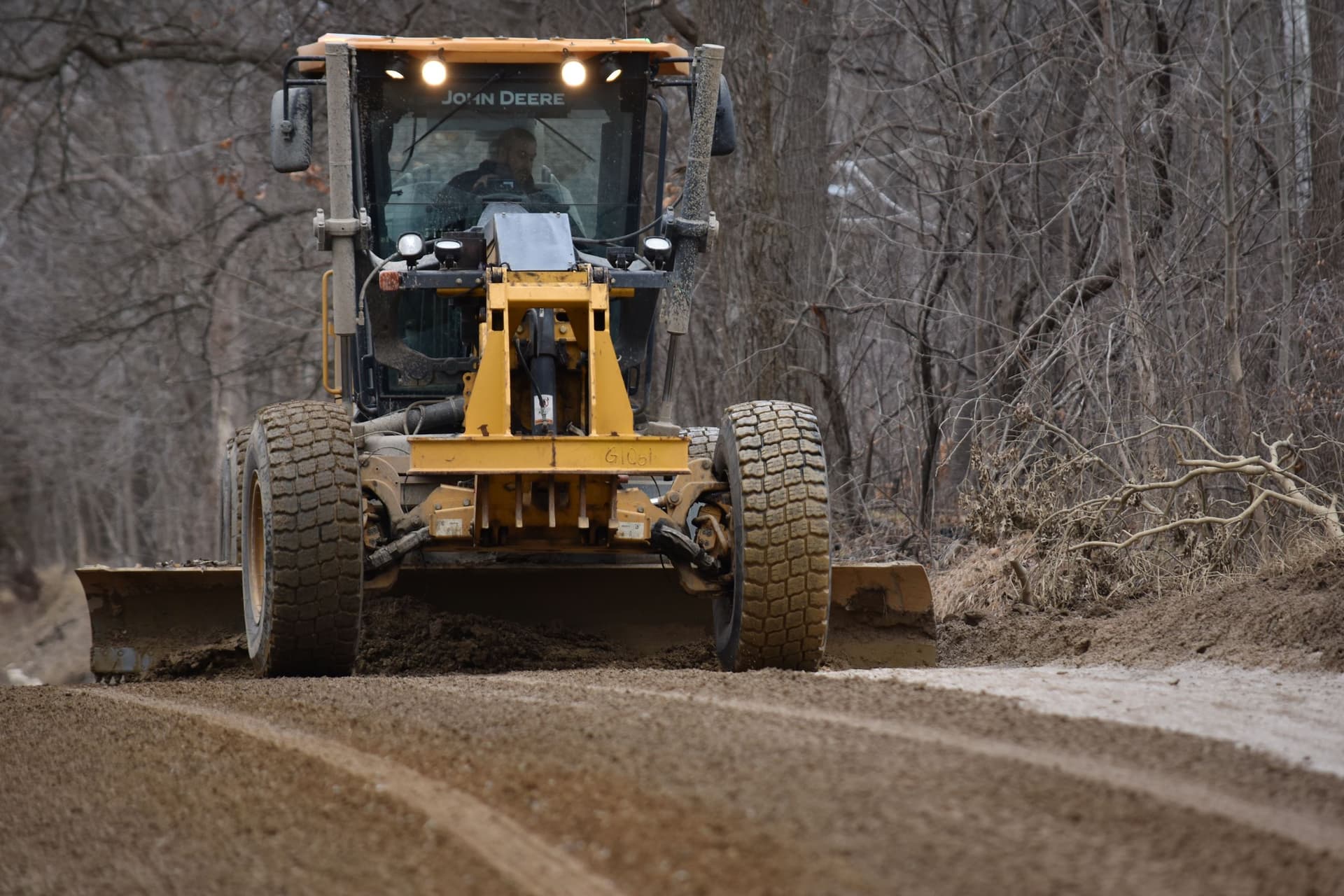
A Lake County gravel road carrying 50 to 199 cars a day gets dust control in front of homes; at 200 or more, it gets solid dust control. The county ties dust control to measured traffic, so the amount of treatment you see depends on how many cars use the road, whether hauling is happening, and whether your property qualifies for extra help.
How the thresholds work
Lake County’s cutoff is built around average daily traffic counts.
The county generally applies dust control once a year. Two situations can change that schedule: continuous road use caused by detours, or two or more gravel trucks hauling for more than seven days. A road with unusually heavy wear can move into treatment even if it is not a high-volume corridor in a normal year.
Why dust control matters on the ground
In April 2025, the Minnesota Local Technical Assistance Program said more than 50 percent of the road network in the United States consists of gravel roads, and one of the biggest complaints is the dust kicked up by vehicles. That dust can settle on homes, yards, and parked cars, and it can reduce driver safety by impairing visibility.
Lake County’s Highway Department says its mission is to provide a continuously improving, safe, cost-effective and efficient road and bridge system that enhances quality of life and promotes economic vitality. On gravel roads, that mission means cleaner siding and windows, better visibility for drivers, and less abrasive material settling on vehicles and property near the roadway.
In northern Lake County, where gravel roads often connect homes, cabins, and work sites, dust can affect how safely people pull out of driveways, how often they wash vehicles, and how much grime collects around homes exposed to road spray and airborne particles.
What the county treats and when it changes the plan
If a road is serving as a detour, or if trucks are hauling gravel for more than seven days, the county recognizes that the normal wear pattern has changed and dust can become more severe.
For property owners, the key question is whether a road segment meets the standard traffic threshold or whether the road has conditions severe enough to justify treatment outside the normal schedule. That is the difference between waiting for the annual round of treatment and seeing a road picked up because it has become a temporary haul route or detour.
How the 50-50 cost-share option works
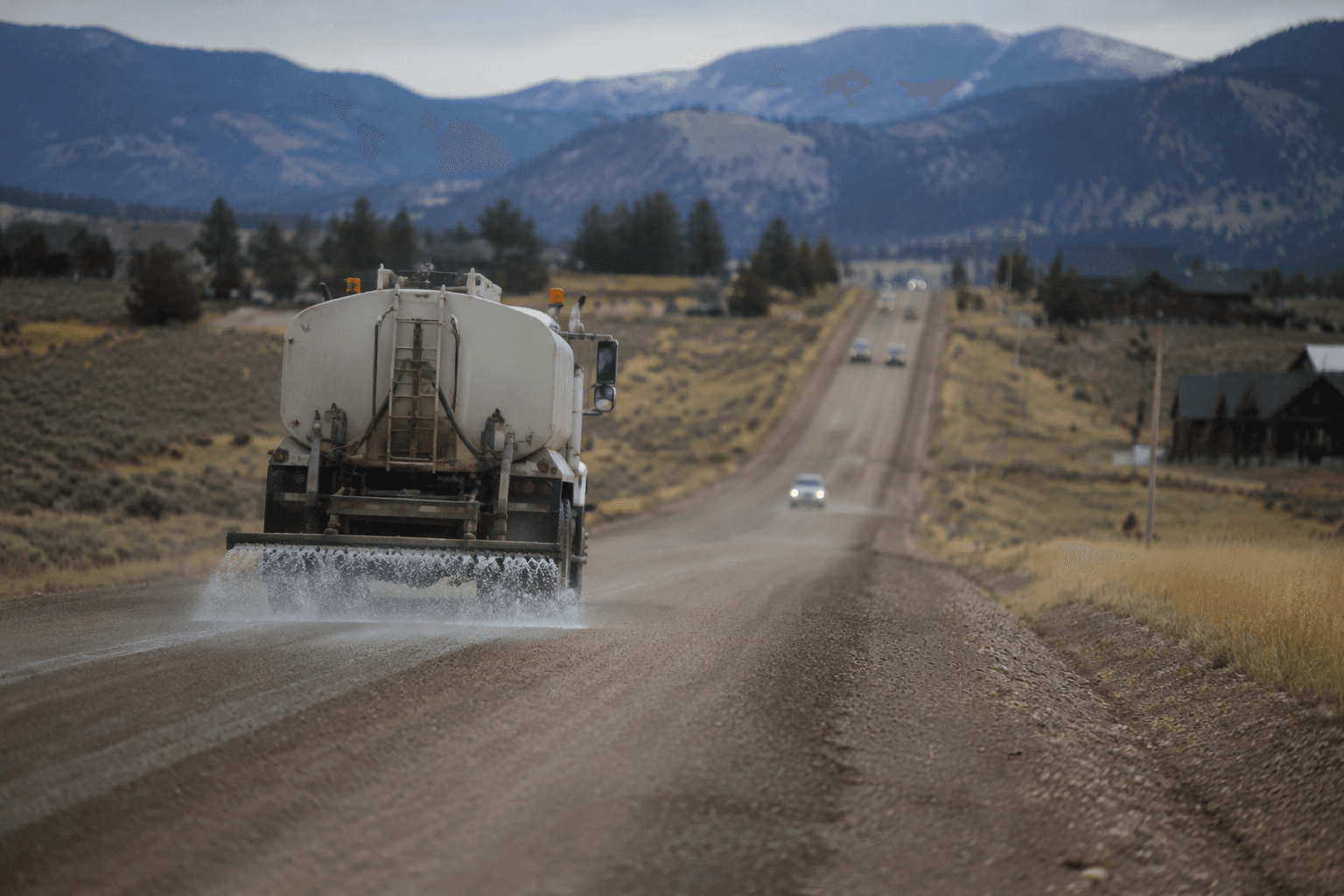
Lake County makes dust control beyond the standard criteria available to requesting property owners on a 50-50 cost-share basis. The option covers roads that fall below the main thresholds but still create a real problem for the people living along them.
The cost-share option applies on quieter rural roads, long stretches with a few homes, or road segments that collect localized dust even though the traffic count does not reach the county’s main cutoff. It gives those owners a path to ask for treatment without waiting for the road to qualify under the higher-use standard.
What to expect if conditions get worse
If your road starts seeing more hauling, a detour, or persistent dust from nearby traffic, the policy gives you a clear framework for understanding what may happen next. You can expect the county to look first at the traffic count, then at whether the road has entered one of the exception categories, and finally at whether a property owner is asking to participate in the cost-share option.
- A road between 50 and 199 average daily trips is eligible for dust control in front of homes.
- A road at 200 or more average daily trips qualifies for solid dust control.
- Detours or heavy gravel hauling for more than seven days can trigger an exception to the usual annual schedule.
- Property owners can seek additional treatment through the 50-50 cost-share path.
Two gravel roads in the same part of the county can look different: one may meet the traffic threshold, while another only qualifies when hauling or detour traffic pushes the road into a higher-use category.
How Lake County fits into the wider Minnesota picture
Other Minnesota counties use their own gravel-road dust rules, with different cutoffs. Pipestone County’s dust-control program, for example, cost-participates 50 percent, up to $250, for county-maintained gravel roadways at farmsteads with an annual average daily traffic count greater than 150. Grant County’s 2024 notice set a May 17, 2024 deadline for dust-control applications, and Blue Earth County applies calcium chloride to gravel roads in summer and charges $175 per 100-foot length for two applications.
This article was produced by Prism’s automated news system from verified source data, official records, and press releases, then run through automated quality and moderation checks before publishing. The system is built and supervised by the people who set the standards it runs under. Read our full AI policy.
Did this article answer your question?