Lake County warns of icy roads, cold temperatures during winter week
Lake County's Nov. 17-21 winter hazard week urged residents to verify Everbridge alerts before ice, wind and outages hit the North Shore.
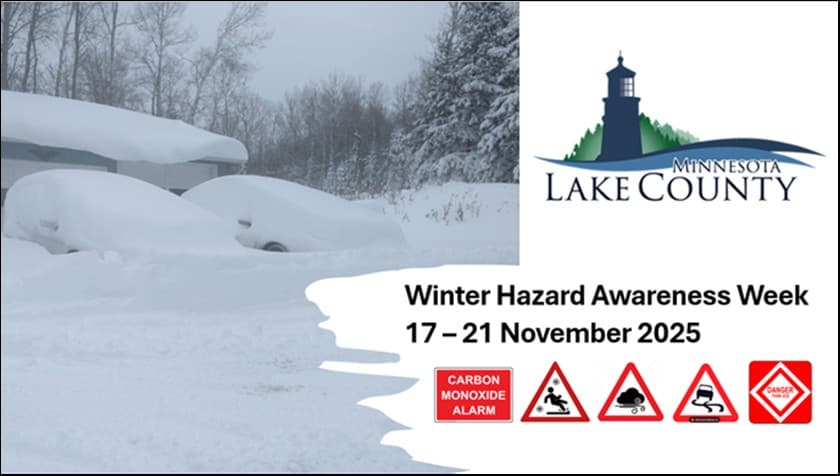
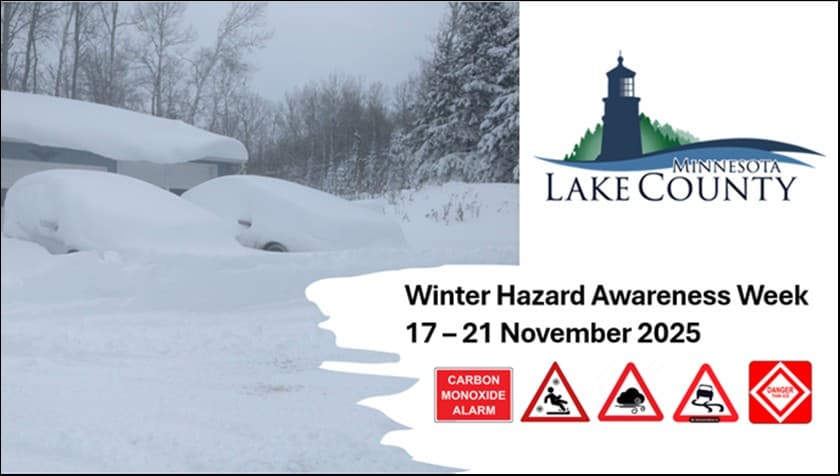
Lake County marked Winter Hazard Awareness Week Nov. 17-21 with a warning that icy roads, cold temperatures and wind can quickly turn into countywide trouble. Its winter-hazard page asked, “Winter is just around the corner and are you prepared?” and tied the message to Two Harbors, Silver Bay, Beaver Bay, Finland, Castle Danger and the roads that connect them.
The county said the effort involved Emergency Management working with Public Health, the Sheriff’s Office, the Highway Department and the Safety Office. Sheriff Nathan Stadler is listed on the county website, and Lake County Emergency Management says its job covers preparedness, response, recovery and mitigation for natural and man-made hazards.
For residents, the most practical step is to make sure county warnings will reach them. Lake County says its Everbridge system sends alerts by text, phone and email, and the emergency-management office lists 601 3rd Ave. in Two Harbors, at the Courthouse and Law Enforcement Center, as its home base. The office is open Monday through Friday, giving residents a place to check contact information before roads turn slick or power fails.
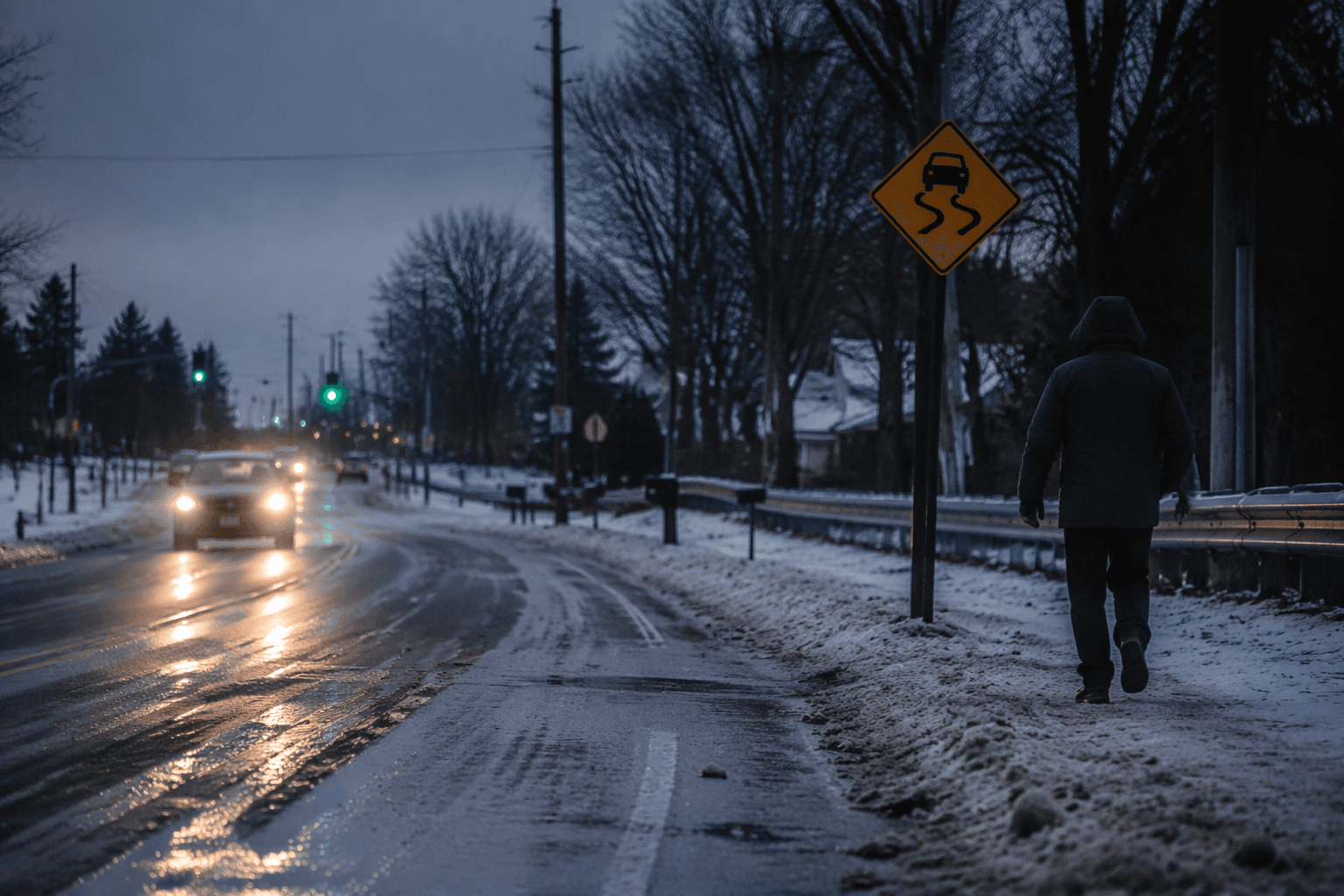
The warning fits Minnesota’s broader winter pattern. The Minnesota Department of Public Safety says winter in the state brings snow, subzero temperatures, ice on roads and high winds, and its winter-driving guidance says wintertime leads to the most crashes on Minnesota roads. The National Weather Service says storms can last a few hours or several days and can cut off heat, power and communication. Rice County Emergency Management adds that winter storms raise the risks of car crashes, hypothermia, frostbite, carbon monoxide poisoning, residential fires and heart attacks from overexertion.
Lake County also points residents to its online Emergency Operations Basic Plan, Hazard Mitigation Plan and Community Wildfire Protection Plan. Those documents matter most in rural stretches of the county, where inland roads, steep grades and shoreline weather can slow travel and delay response longer than residents expect, especially when a storm affects heat, power or communication at the same time.
This article was produced by Prism’s automated news system from verified source data, official records, and press releases, then run through automated quality and moderation checks before publishing. The system is built and supervised by the people who set the standards it runs under. Read our full AI policy.
Did this article answer your question?