Lake County forest links logging history, recreation and timber today
Lake County’s Ferguson Demonstration Forest shows how 400 acres near Two Harbors connect railroad-era logging, today’s timber work and year-round trail use.
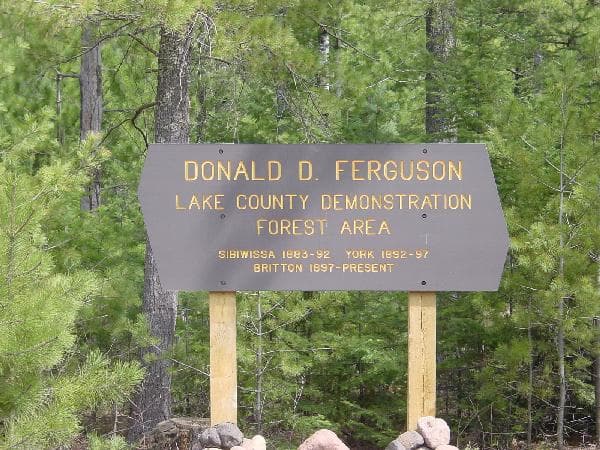
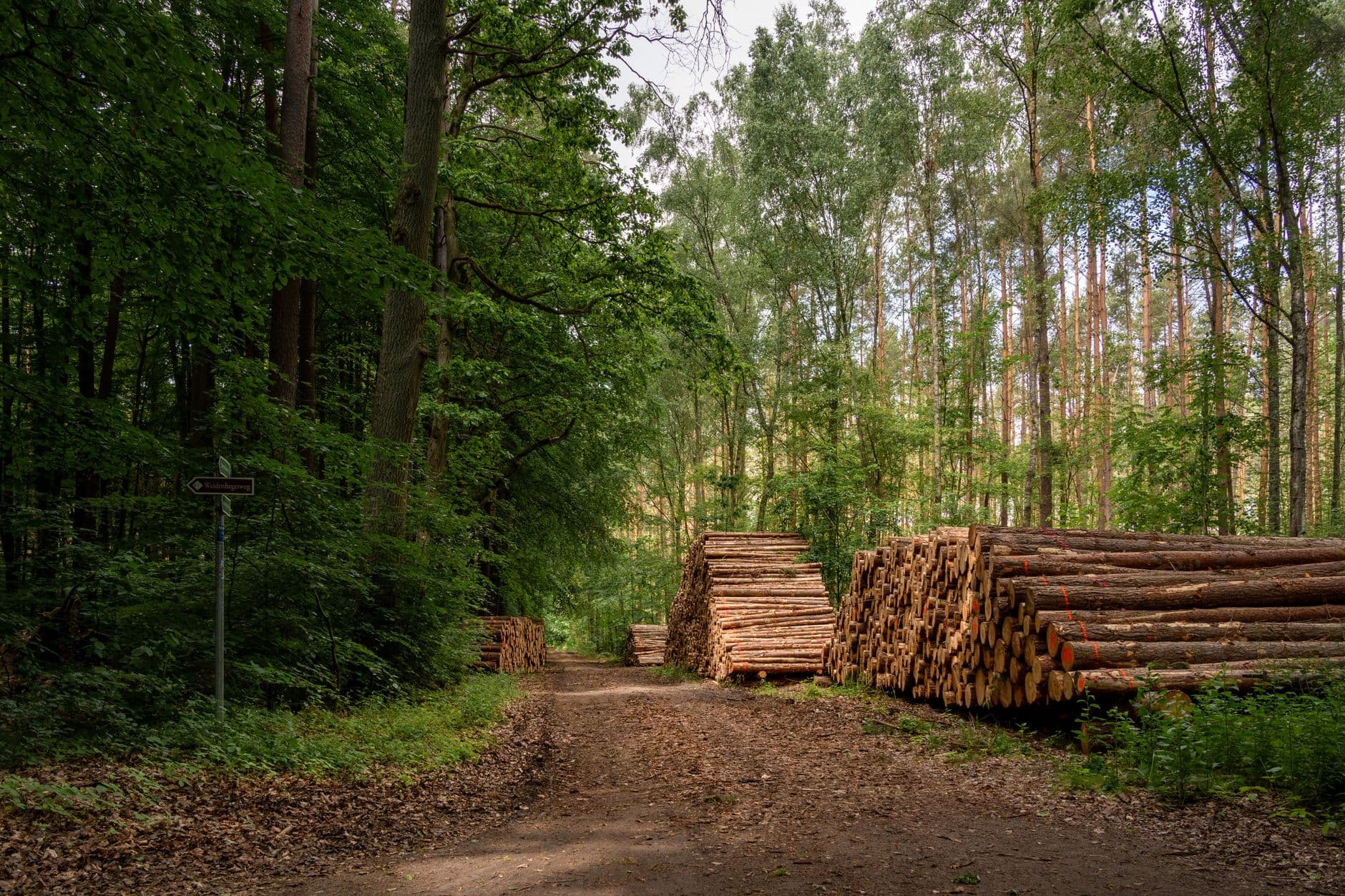
The Donald D. Ferguson Demonstration Forest is one of the clearest places in Lake County to see how a working forest can carry its history into the present. Lake County describes the 400 forested acres near Two Harbors as “a melding of the past and present,” and the land still reflects both sides of that idea: timber extraction, public recreation and county forest policy all meet here.
A working forest on the Drummond Grade
The forest sits near Two Harbors on the Drummond Grade, with access identified at Drummond Grade Trailhead Parking in Two Harbors. That location matters because it places the demonstration forest inside a larger North Shore landscape where old transportation corridors, county land ownership and outdoor recreation overlap. Lake County manages about 150,000 acres of forest overall, and this site is one portion set aside to help the public understand how those lands are used.
A separate Northern Wilds result says Lake County manages 150,000 acres of forest with 480 acres designated as Demonstration Forest. Lake County’s own materials, however, describe the Donald D. Ferguson Demonstration Forest as 400 forested acres. The important point for visitors is the same in either case: this is not a preserve frozen in one era, but a managed county forest meant to show how land use changes over time.
What the forest still remembers
The historical thread is hard to miss. Lake County says that in the late 1800s the Duluth and Iron Range and the Duluth and Northern Minnesota railroads hauled ore and timber from this land. That makes the forest a local witness to the industrial North Shore, when rail lines, timber cutting and mining shaped where people worked and how communities grew.
The trail names reinforce that history. Lake County’s trail materials identify routes such as Ferguson Trail, Railroad Camp, Wolf Lookout, Pepperlin Trail, Knife River Trail and Lowland Ash Trail. Those names point visitors toward a landscape that still carries the imprint of logging-era travel routes and rail-related access, even as the forest now serves hikers and winter users instead of ore trains and timber cars.
How county forestry decisions show up on the ground
The Demonstration Forest is also useful because it shows how Lake County thinks about its public forest lands. County materials describe the site as a multiple-use forest, and say the land is valued for wood fiber and lumber as well as skiing, snowshoeing and fatbiking. In other words, the county is not treating the acreage as a single-purpose recreation park or as a timber sale area alone.
That balance comes with tradeoffs. Lake County says roads located on public land are kept open for public use, while some older access roads in the demonstration forest have been closed to limit access to private property north of the area. For residents watching county land decisions elsewhere on the North Shore, that detail shows how forestry policy often has to balance access, timber work, neighboring property rights and the condition of the road network itself.
The management history behind today’s rules
The county’s present approach grew from a long planning process. A Minnesota government management-plan document says Lake County’s first management plan was published in 1983 and written by Brian McCann of the Minnesota DNR. That plan contained 37 management recommendations and called for the creation of a Standing Forestry Commission, a citizen advisory group made up of people with forestry interests from Lake County.
Lake County later adopted a Working Management Plan on June 28, 2007, to better manage tax-forfeit and county fee lands. The county says a management plan is required for Forest Stewardship Council certification, which ties local decisions to a broader forestry standard. For a county forest, that means the old logging landscape is now governed by written policy, public oversight and formal certification expectations.
What visitors can actually see
The trail system is the easiest way to read the forest on the ground. A Lake County trail map dated Jan. 4, 2017 identifies Ferguson Trail, Pepperlin Trail, Old Gravel Pit Trail, Knife River Trail, Lowland Ash Trail, Wolf Lookout and the North Shore State Snowmobile Trail. Lovin’ Lake County materials also label Old Drummond Road, Britton Pit Road, Drummond Grade, Railroad Camp and the same core trail network, showing how the area is stitched together by both forest roads and signed routes.
Winter use is especially visible in outside listings. Explore Minnesota says the demonstration forest’s multiple-use lands are valued for skiing, snowshoeing and fatbiking, and Trailbot lists the trail area as partially open. A 2017 Lake County fatbike map names routes that include Britton Pit Road, Ferguson Trail, Pepperlin Trail, Old Gravel Pit Trail, Knife River Trail, Lowland Ash Trail, the Little Stewart River and the North Shore State Snowmobile Trail. Together, those names make the forest readable as both a recreation site and a working county landscape.
Why this forest matters in county land-use debates
The demonstration forest matters because it gives Lake County a physical example of a debate that keeps coming back on the North Shore: how much of a forest should be left to one use, and how much should be shared among timber production, public access and long-term stewardship. Here, residents can see county policy translated into roads, trail corridors and forest management choices instead of hearing about it only in meeting rooms.
That is what makes the site more than a scenic stop. The 400 forested acres near Two Harbors show how a county can keep a working forest open for learning and recreation while still managing it as part of a larger timberland system. In Lake County, the Ferguson Demonstration Forest is where the region’s logging past, its present-day trail use and its ongoing forest decisions all meet in one place.
This article was produced by Prism’s automated news system from verified source data, official records, and press releases, then run through automated quality and moderation checks before publishing. The system is built and supervised by the people who set the standards it runs under. Read our full AI policy.
Did this article answer your question?