Lake County Historical Society preserves North Shore history in Two Harbors
Two Harbors still shows how Lake County was built. The depot, lighthouse, and 3M birthplace turn rail, shipping, and entrepreneurship into the county’s modern identity.
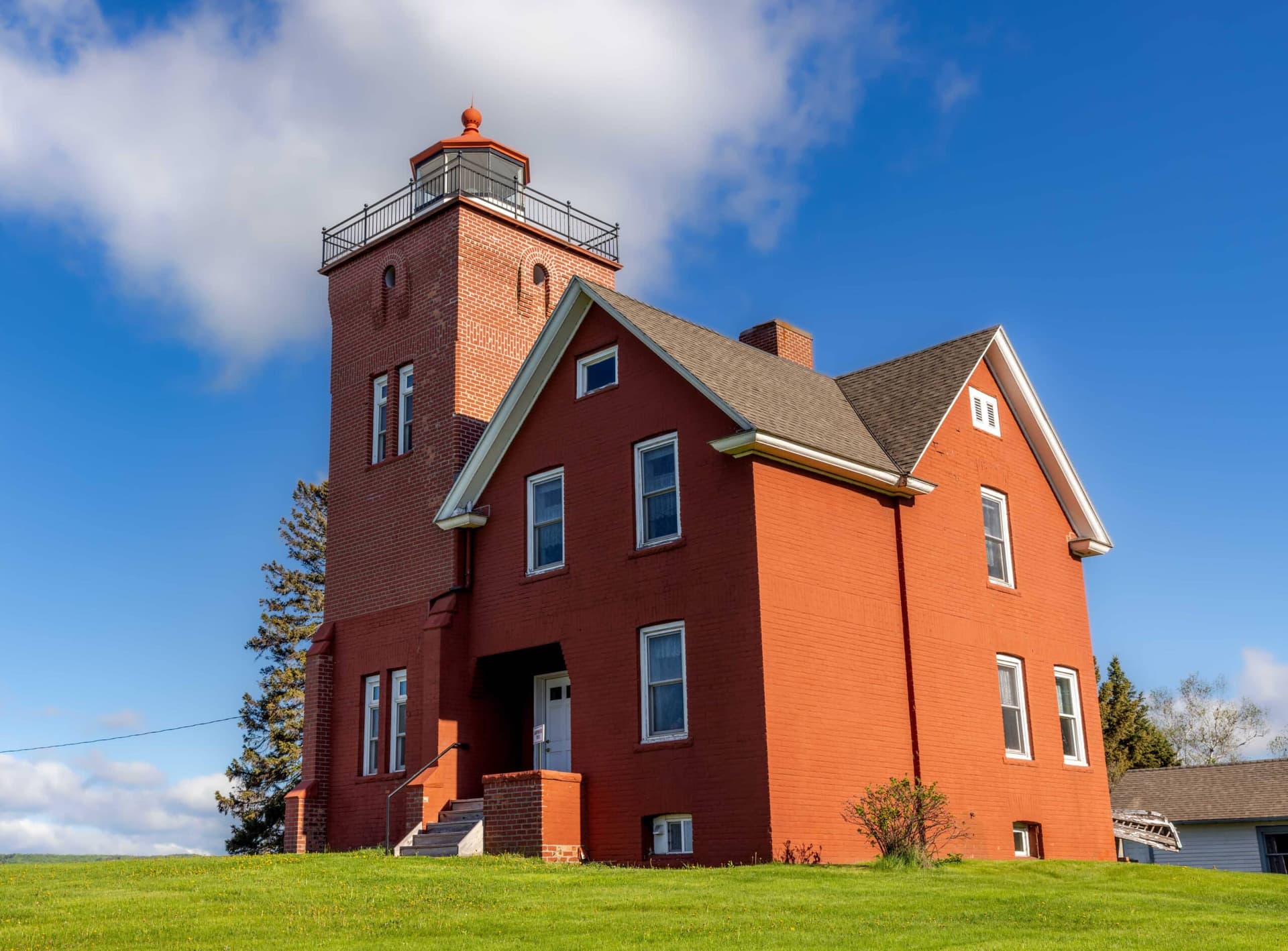
The Duluth & Iron Range Depot, the Two Harbors Lighthouse, and the 3M Birthplace Museum anchor downtown Two Harbors. The Lake County Historical Society uses the depot, the lighthouse, and the 3M Birthplace Museum to show how rail, shipping, and local entrepreneurship shaped the county’s present-day identity.
Why Two Harbors sits at the center of Lake County history
The Lake County Historical Society was organized in November 1925 with a straightforward mission: collect, preserve, and share the stories of Lake County, Minnesota. That mission still frames how the county remembers itself, especially in Two Harbors, where the society’s sites make the past visible in stone, wood, and old railroad geography. Its photographic collections cover shipping, logging, fishing, and railroading, the industries that defined the North Shore long before tourism became part of the local economy.
Regional history materials still lean heavily on shipping, logging, and mining, and Two Harbors is where those threads come together most clearly. Lake County’s history is built around docks, tracks, harborfront commerce, and the businesses that grew around them.
The depot: where rail and shipping made Two Harbors matter
The anchor stop is the Duluth & Iron Range Depot at 6th Street off South Avenue in Two Harbors. The railroad hired Duluth architect Peter Olson to design the company’s headquarters and passenger station overlooking Lake Superior’s ore docks and rail yards, and the building opened to the public in 1907. It became the hub through which goods, services, and people moved through the town, tying Two Harbors directly to the iron range and the lake shipping network.
The historic building was the headquarters and passenger station for the Duluth & Iron Range Railroad, which later merged to become the Duluth, Missabe and Iron Range Railway Company. Listed on the National Register of Historic Places, the depot now gives the Historical Society 4,000 feet of exhibit space, enough room to interpret the county’s early history through artifacts, photographs, and local stories rather than treating the building itself as the only attraction.
The Historical Society has used the site for its Depot at Dusk concert series, which brings people into the same historic space that once handled the daily movement of the county’s industrial economy.
3M’s origin story is part of the same downtown landscape
A few blocks away, the 3M Birthplace Museum tells a different but related story about Lake County’s place in industrial history. In 1902, five Two Harbors businessmen, Henry S. Bryan, Dr. J. Danley Budd, Herman Cable, William A. McGonagle, and John Dwan, formed the Minnesota Mining and Manufacturing Company. That beginning places a globally known corporation in a specific North Shore town where business leadership and industrial ambition were already part of daily life.
The museum at 203 Waterfront Drive is the small historic downtown building where 3M was founded in 1902. The company’s early years had a “rocky start,” a reminder that the giant brand began in modest surroundings rather than in a polished corporate setting.
A museum tied to 3M’s founding gives visitors a reason to stop in the central business district, and it helps connect local pride to a company name recognized far beyond the North Shore.
The lighthouse and the wider heritage network
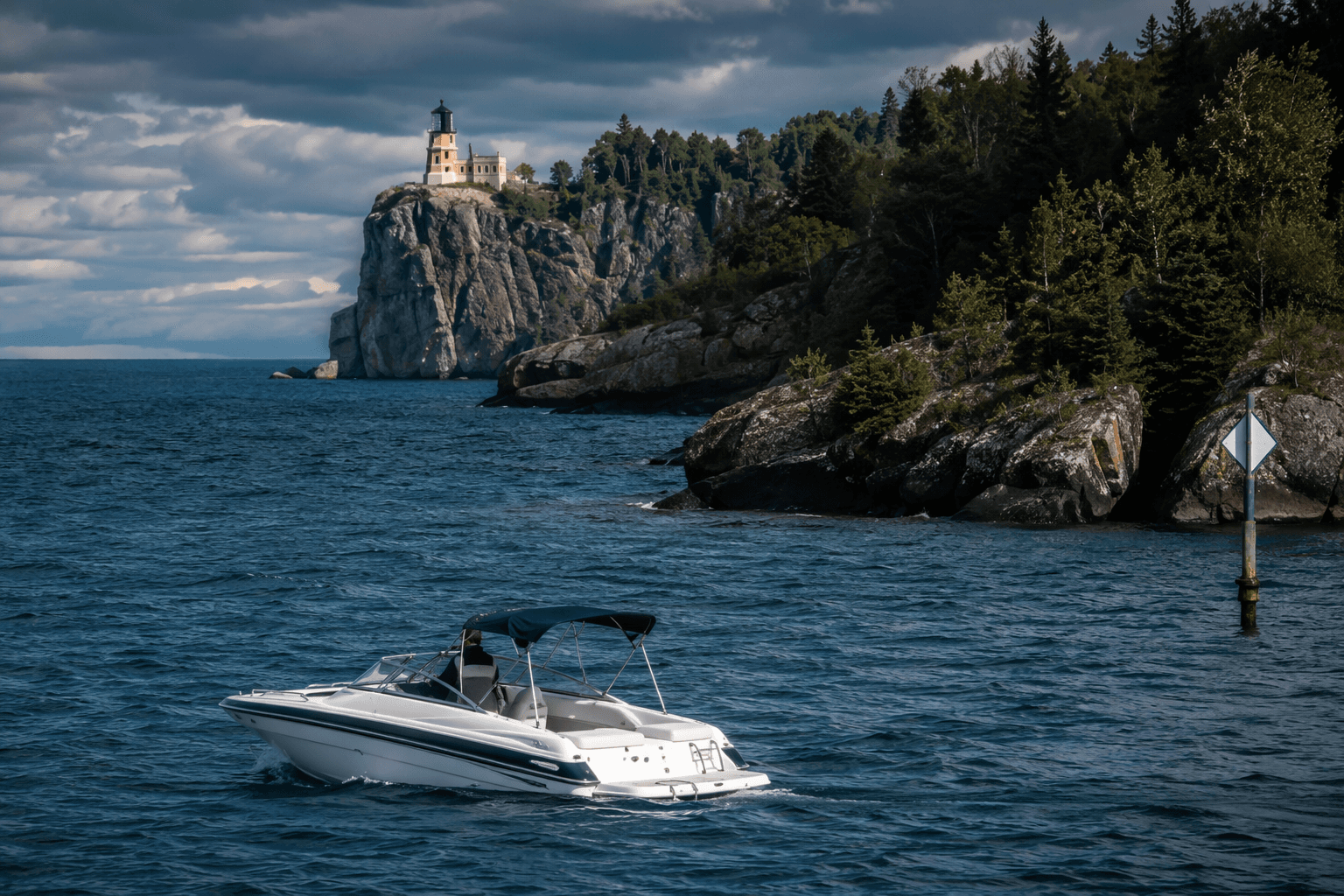
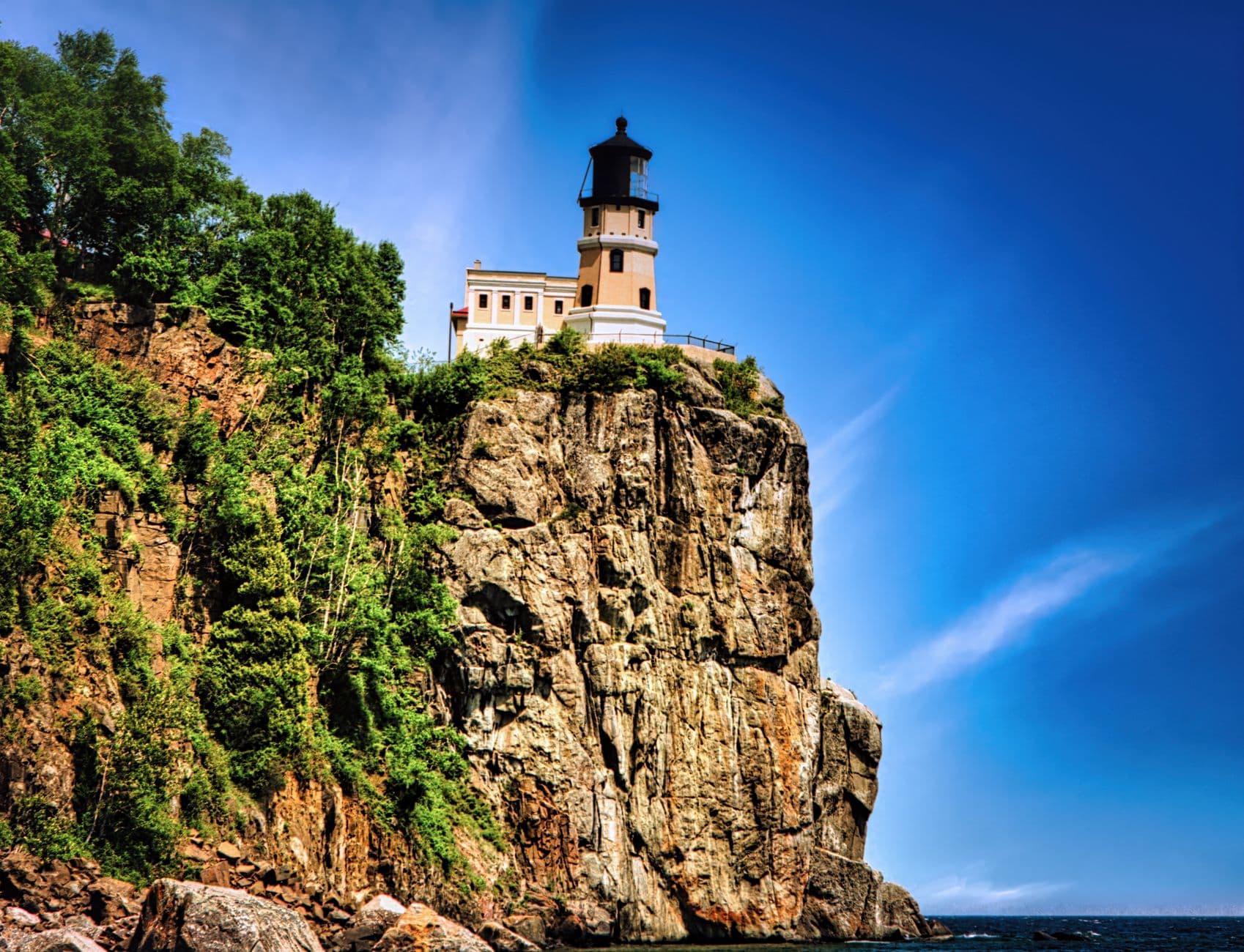
The Historical Society also operates the Two Harbors Lighthouse, a site that extends the county story beyond rail history and into lake navigation. Built in 1892, the Two Harbors Light Station is the oldest operating light station in Minnesota, which gives the society a second major landmark tied directly to the working waterfront. The lighthouse, the depot, and the 3M museum form a compact heritage network that links the harbor, the tracks, and the town center.
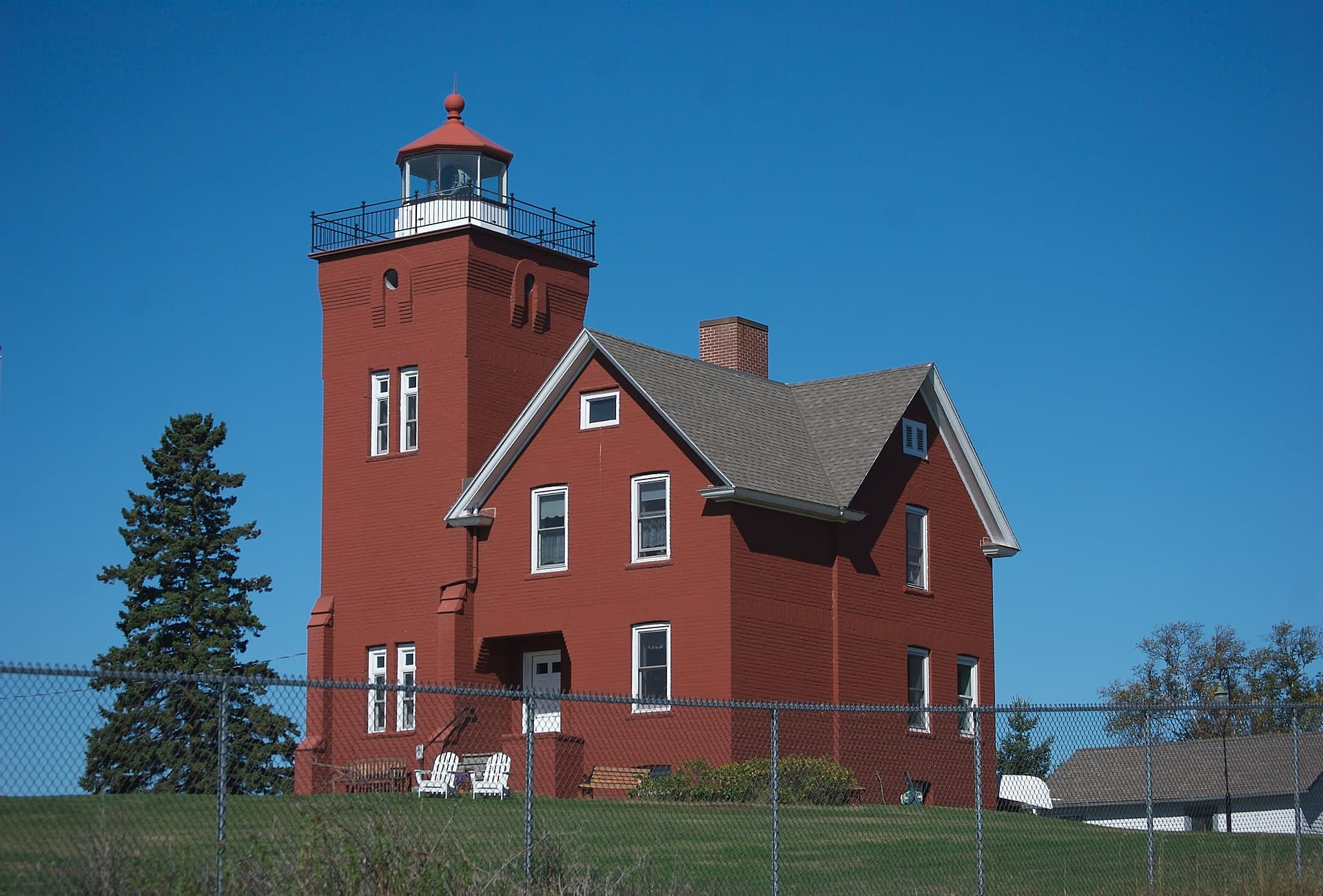
Shipping, logging, fishing, railroading, mining, and manufacturing all leave different kinds of footprints, and the Historical Society’s sites show how those industries interacted.
What preservation emphasizes, and what it can leave in the background
The Historical Society’s collections and properties shape which parts of Lake County’s past stay visible. The depot foregrounds rail and shipping history. The 3M museum highlights entrepreneurship and industrial beginnings. The photographic archives widen the frame to include fishing, logging, and railroading. Smaller industries and everyday labor can be easier to overlook than a famous building or a global brand.
Lake County has plenty of landmarks that can be marketed as visitor stops, but the society’s work also shows what gets carried forward as civic history: the railroad town, the lighthouse, the company origin story, and the visual record of industries that once anchored the North Shore economy.
This article was produced by Prism’s automated news system from verified source data, official records, and press releases, then run through automated quality and moderation checks before publishing. The system is built and supervised by the people who set the standards it runs under. Read our full AI policy.
Did this article answer your question?