Lake County promotes mediation to resolve neighbor and family disputes
Lake County is steering everyday disputes to mediation before they harden into court cases, from neighbor fights to parenting-time conflicts. The county also links residents to legal, family and mental-health help.

A barking dog, a landlord-tenant standoff, or a parenting-time dispute can move fast from irritation to expensive conflict. Lake County is using its Community Mediation Minnesota page to point residents toward mediation first, offering a path that can resolve ordinary disputes before they become court cases, legal bills, or long-running family damage.
What mediation is meant to do
Lake County describes mediation as an alternative to going to court, and that distinction matters for disputes that are personal as much as legal. Instead of handing the problem to a judge, mediation brings people into a structured conversation aimed at agreement.
The county also points residents to restorative practices, which it describes as interventions that help repair harm, restore relationships, and renew a shared sense of community. That makes mediation more than a paperwork shortcut. It is a practical way to keep a disagreement from splitting a neighborhood, a household, or a workplace for months or years.
Lake County also references facilitated dialogues, showing that conflict resolution is not limited to one format. Some disputes need a mediated conversation, while others may benefit from a broader restorative process that helps people talk through damage, responsibility, and next steps.
The kinds of disputes Lake County says can be handled
The county’s mediation page names the kinds of disagreements residents actually face: conflicts between neighbors, landlords and tenants, family relationships, parenting time, and workplace issues. That list is important because it shows mediation is not reserved for big commercial disputes or high-stakes lawsuits.
In a county where people live near one another, share roads and seasonal recreation areas, and often know each other for years, the ability to preserve a working relationship can matter as much as the final result. A mediation process can help keep a dispute focused on a problem instead of turning every interaction into a new confrontation.
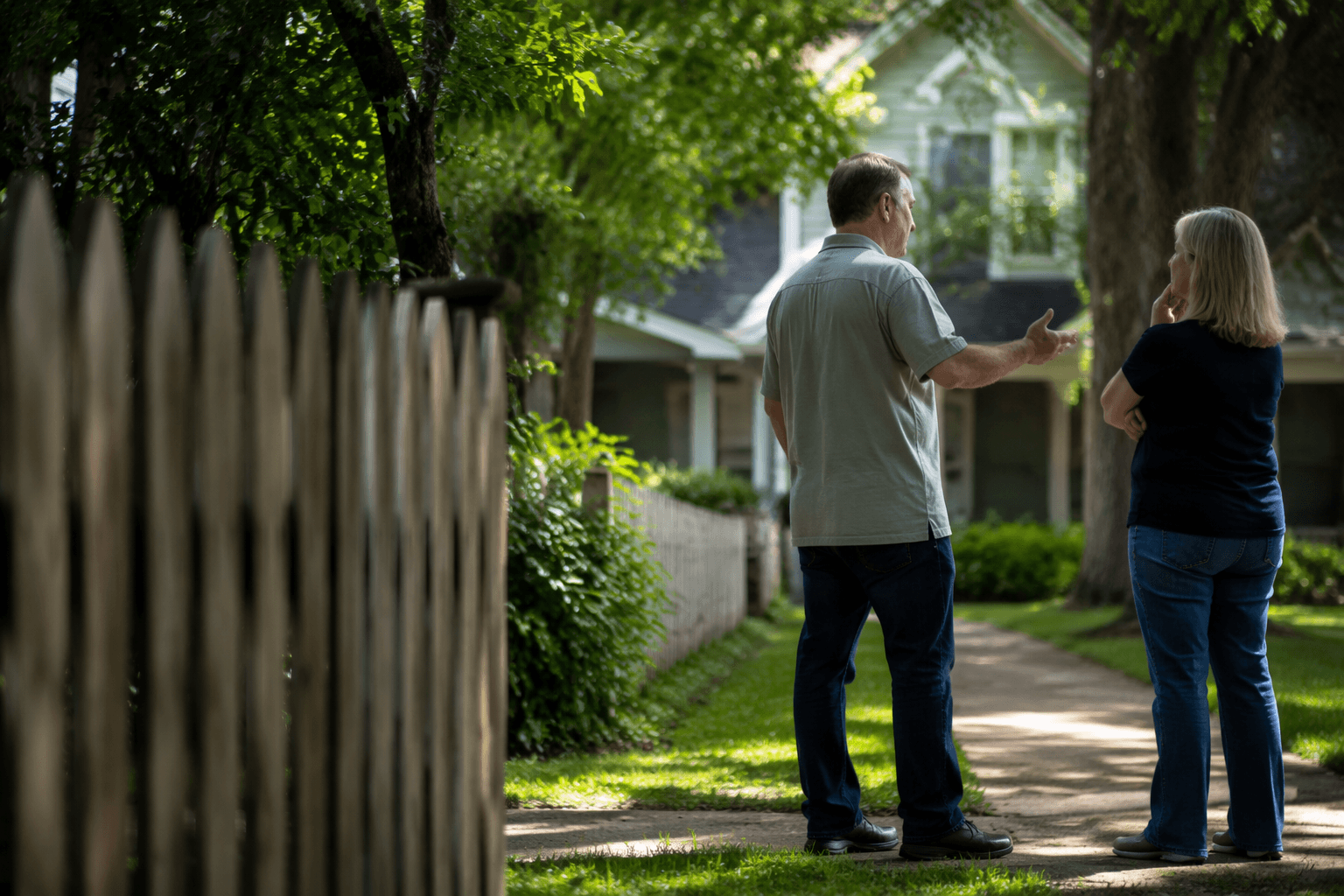
That practical reach is also what makes mediation useful before a small matter grows into something bigger. A disagreement about noise, repairs, schedules, or family logistics can often be handled without forcing everyone into a formal legal track too early.
How Lake County’s support system fits together
Lake County does not present mediation as a stand-alone idea. In its Health and Human Services support guide, the county organizes help under legal, children and families, and mental health categories, which shows how it connects residents to different kinds of support depending on what the conflict involves.
The legal support page links to the Minnesota Disability Law Center, Resourceful, the MN Legal Kiosk Project, the Minnesota Assistance Council for Veterans, the Northeast Office of the Ombudsman, and the Minnesota Public Defender’s Office. That matters because some conflicts need more than conversation, and Lake County’s structure points people toward the right level of help before a dispute escalates.
The county’s children and families page points residents to services such as Circle of Parents, child care providers, counseling, and crisis nursery resources. Its mental health page includes crisis resources as well. Together, those pages show a broader system around mediation, one that recognizes how legal strain, family stress, and mental-health needs often overlap.
Where mediation shows up beyond the county explainer
Lake County also lists mediation in other service settings, which reinforces that conflict resolution is part of a wider network of community care. Paradigm Therapy Services is listed as offering mediation alongside individual and family therapy, custody evaluations, parenting education, parenting time expediting, school-based therapy, diagnostic and trauma assessments, chemical health assessments, and anger management groups.
That combination is especially relevant for family-related conflicts, where a dispute can involve both emotional strain and practical scheduling problems. When a service provider is already helping with parenting education or custody-related work, mediation can become one tool among several for reducing conflict and stabilizing relationships.
Another county-listed resource, Northern Lights Clubhouse, includes a mediation group among its activities for people facing mental illness, life challenges, stress, or isolation. That widens the picture again: mediation is not only for neighbors arguing across a fence. It can also support people who need a structured setting to talk through conflict in the middle of a larger life disruption.
How residents can think about the first step
Mediation tends to make the most sense when a disagreement is serious enough to need help, but not so urgent that it must immediately become a court filing. It is designed for problems where both sides may still be able to talk, even if they need a neutral process to do it.
A useful way to think about it in Lake County is this: court decides, while mediation helps people reach agreement. When the issue is a neighbor complaint, a tenant problem, a family tension, or a parenting-time dispute, the county’s mediation resources offer a way to address the problem without letting it spill into a formal legal fight.
That is why the county’s mediation page, legal support listings, family services, and mental-health resources belong to the same civic toolkit. Together, they give Lake County residents multiple ways to resolve conflict before it hardens into something more costly and difficult to undo.
This article was produced by Prism’s automated news system from verified source data, official records, and press releases, then run through automated quality and moderation checks before publishing. The system is built and supervised by the people who set the standards it runs under. Read our full AI policy.
Did this article answer your question?