Lake County updates plan to protect lakes, rivers from invasive species
Lake County’s AIS plan targets boat launches, early detection, and rapid response at Lax Lake and Agate Bay. Boaters and cabin owners need to clean, drain, dry, and report finds on EDDMapS.
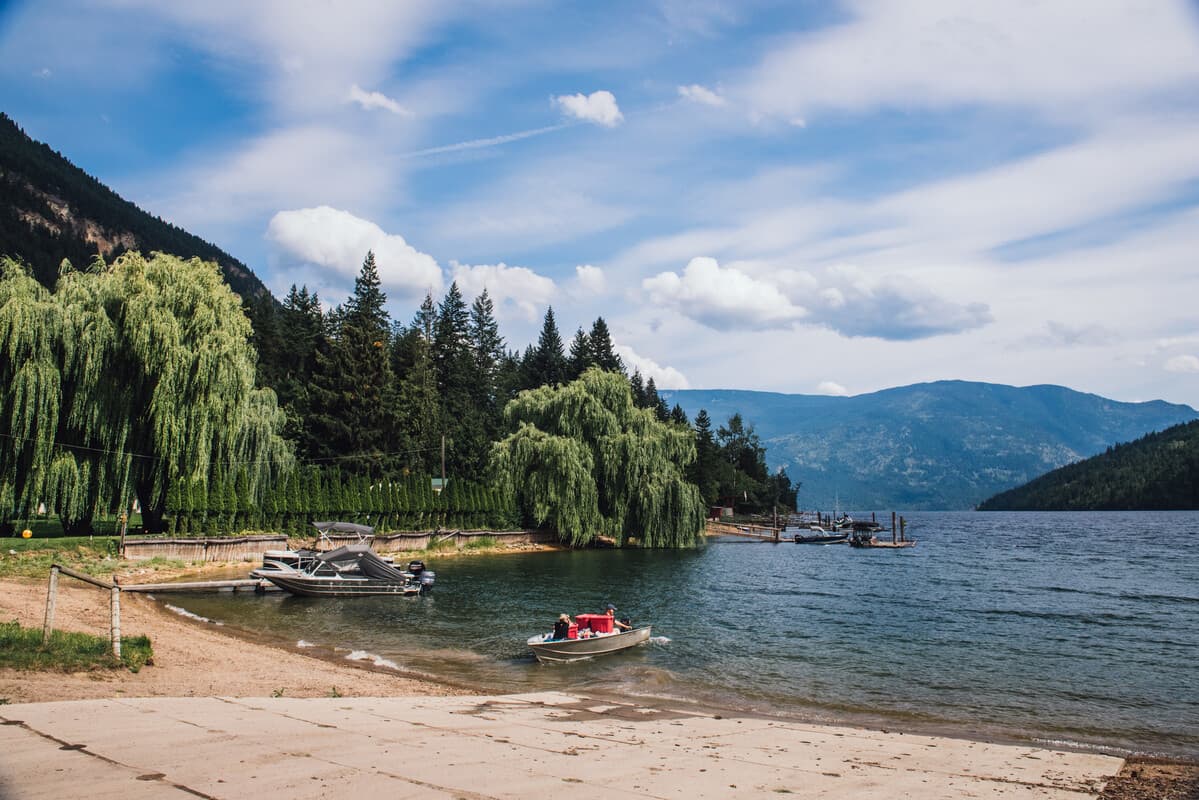
Boat launches, shoreline cabins, fishing access, and the lakes and rivers that feed them are the front line of Lake County’s invasive-species defense. The county created its Aquatic Invasive Species Prevention Plan in 2015 and comprehensively updated it in 2018, then tied that plan to monitoring, inspections, and rapid response when a new infestation appears.
How Lake County is trying to stop spread
The plan divides the county’s work into four practical priorities: outreach and education, early detection and monitoring, watercraft inspections and compliance, and management and rapid response. Lake County built a layered system that starts with public awareness, shifts to finding new infestations early, and then focuses on stopping movement before plants or mussels hitchhike to the next waterbody.
Lake County’s AIS materials point residents to EDDMapS as the preferred place to report new aquatic invasive species occurrences in Minnesota. That gives cabin owners, anglers, paddlers, and lake associations a direct reporting path instead of leaving first sightings to rumor or social media.
The species Lake County is watching most closely
The county’s plan names several invasive species that already shape local concern: spiny waterflea, rusty crayfish, zebra mussel, quagga mussel, and purple loosestrife. Some species crowd out native plants or prey on the food web, while others clog infrastructure, cut swimmers’ feet, or alter shoreline habitat that people use for fishing and boating.
Lake County’s own baseline calcium investigation from 2019 and 2022 adds a more local warning: zebra mussels and starry stonewort need certain water chemistry to establish and thrive in a new waterbody. The county found that calcium levels must be high enough to support starry stonewort growth and zebra mussel shell development. The chemistry of individual lakes matters as much as the countywide policy.
Two specific places stand out in the county’s records. In 2017, Lake County reported a new narrowleaf cattail infestation at Lax Lake and curly-leaf pondweed at Agate Bay, already present.
What Lake County has already done on the ground
In its 2017 Aquatic Invasive Species Prevention Aid report, Lake County said 5 staff members, 38 volunteers, and 12 stakeholder groups carried out 18 projects. Those efforts reached at least 5,674 citizens, led to 1,881 inspections, created 7 AIS products, and treated 2.500 acres of aquatic invasive species.
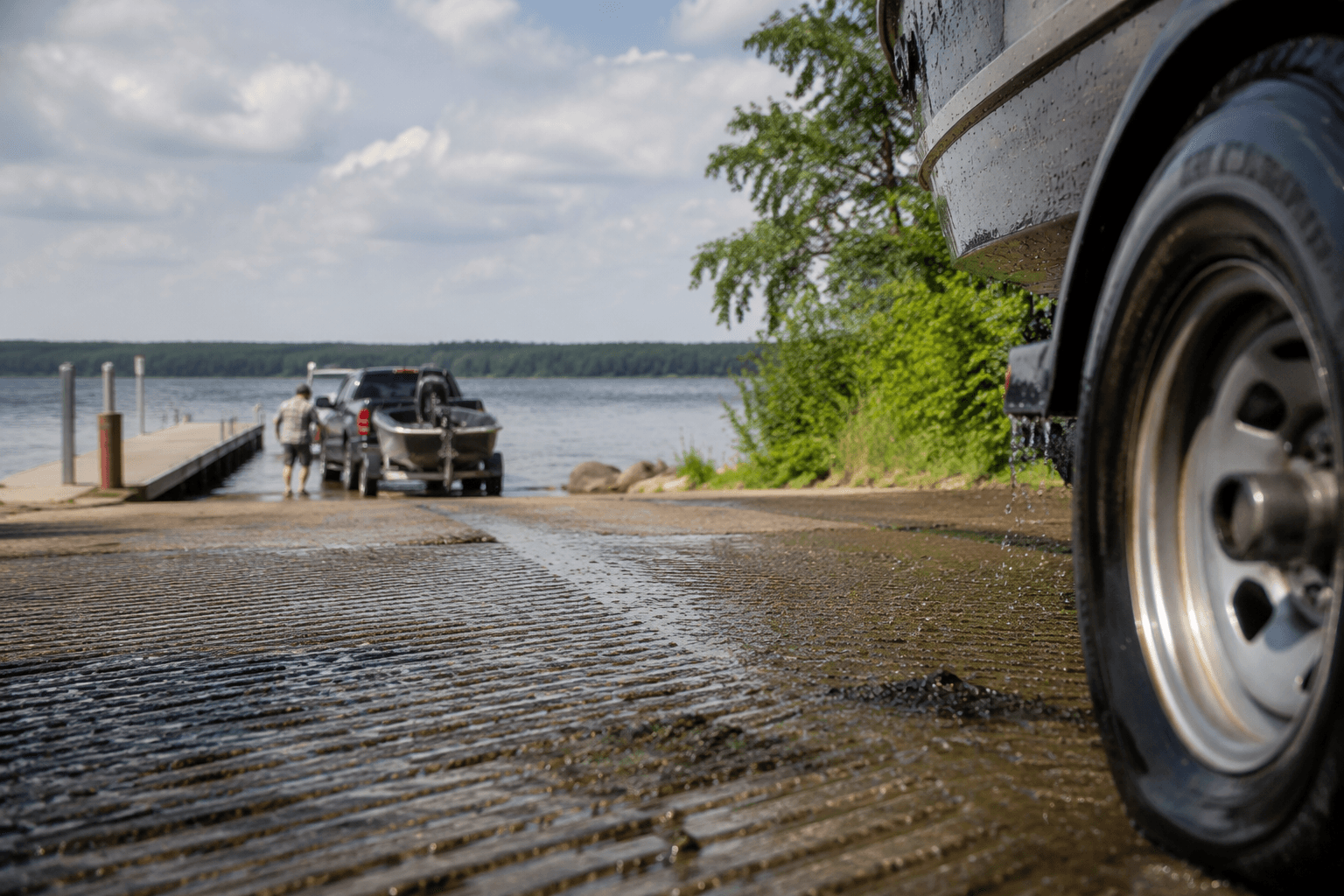
A later Lake County AIS survey protocol, updated March 11, 2021, directs staff to visit lakes based on county guidelines, help with boater awareness and education, answer questions from boaters, canoeists, kayakers, and swimmers, and provide inspections if certified to do so. The same protocol calls for handing out literature and towels along with educational instruction during early-detection work.
Why boat launches matter most
Lake County’s calcium investigation identifies trailered boats as one of the most likely vectors for introducing AIS such as zebra mussels. The Minnesota Department of Natural Resources inspection manual is built for trailered watercraft and water-related equipment of any kind, including motors, trailers, compartments, and equipment that has been in contact with water.
Zebra mussels can reduce lakefront property values, cut swimmers’ feet, filter enormous quantities of microscopic algae, and alter energy flow through aquatic ecosystems, which can affect fish populations, according to the Minnesota Aquatic Invasive Species Research Center. The research center is also developing an eco-epidemiological model to forecast the spread risk of zebra mussels and starry stonewort across Minnesota.
That statewide pressure is visible in the field. The Minnesota DNR reported new infestations of zebra mussels and starry stonewort at a dozen lakes that summer.
What you need to do before launching or moving gear
Before you move a boat from one lake to another, take the gear seriously:
- Clean mud, plants, and debris off boats, trailers, motors, and compartments.
- Drain live wells, bilges, and any standing water.
- Dry trailered watercraft and water-related equipment before moving them to another waterbody.
- Inspect used docks, lifts, swim rafts, and mooring buoys before they go into a different lake.
- If you are moving used docks, lifts, swim rafts, or similar water-related equipment, Minnesota law requires 21 consecutive days of drying time before placing them in another water body.
- Report new AIS sightings in EDDMapS as soon as you spot them.
This article was produced by Prism’s automated news system from verified source data, official records, and press releases, then run through automated quality and moderation checks before publishing. The system is built and supervised by the people who set the standards it runs under. Read our full AI policy.
Did this article answer your question?