North Shore Health Weighs Epic, MEDITECH Upgrade as Key Strategic Decision
North Shore Health can't afford Epic alone, CEO Kimber Wraalstad says, meaning an upgrade could force a larger system partnership that reshapes the hospital's independence.
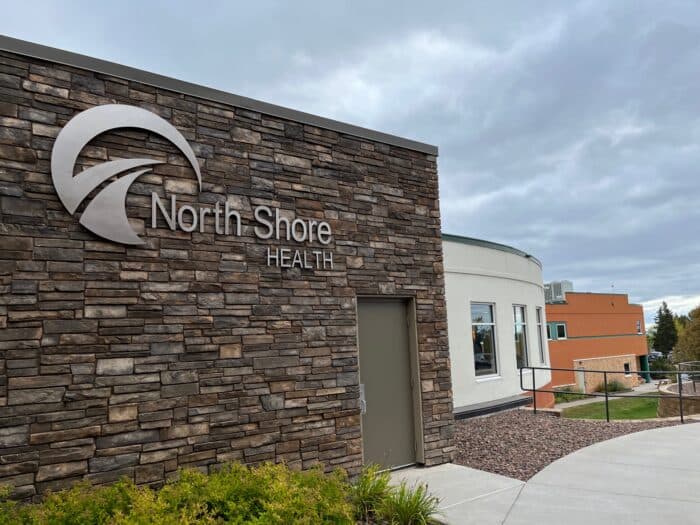
North Shore Health CEO Kimber Wraalstad laid out a decision at last month's board meeting that extends well beyond a software upgrade: if the Grand Marais hospital moves to Epic, the electronic health record platform used by most of Minnesota's major health systems, it will need to align with a larger institutional partner to even afford the switch.
"I think North Shore Health has two options," Wraalstad said. "One will be either MEDITECH, because it's what we already have, and we'll just upgrade with what they have, or it'll be Epic, because there are a lot of places in Minnesota that have Epic."
The choice is complicated by Epic's cost structure. The platform is financially out of reach for a small independent facility without a sponsoring organization, typically through what the industry calls a "Community Connect" arrangement, in which a larger health system licenses and hosts the platform on behalf of smaller affiliates.
"If you choose to have Epic, there are a lot more questions and a lot more opportunities," Wraalstad said, "because we as a small facility could never purchase Epic on our own. You have to have a partner. That goes to the discussion about that strategic partnership."
That framing turns the EHR selection into less a technical question and more a governance one. Joining a Community Connect arrangement would bind North Shore Health more tightly to a larger system's infrastructure, contracting, and workflows, a structural shift that could redefine how much independence the hospital retains over clinical decisions and operations.

Nearby, Sawtooth Mountain Clinic began using Epic in fall 2025, giving North Shore Health a local reference point for both the platform's capabilities and the transition's demands. For front-line staff, switching platforms means relearning scheduling, test ordering, and billing workflows. A rocky EHR transition can introduce appointment delays and billing errors during the adjustment period; a well-supported one can open up more seamless data sharing with regional specialists and referral centers across the state.
Sticking with a MEDITECH upgrade offers a more predictable path. North Shore Health already runs on MEDITECH, so an incremental upgrade would require less organizational disruption and no partnership negotiations. The tradeoff is interoperability: as more Minnesota providers consolidate on Epic, sharing patient records or coordinating referrals with systems using a different platform introduces additional friction.
Board Chair Randy Wiitala joined Wraalstad in framing the EHR selection as one of the organization's "big rock items," their term for the most consequential decisions on the board's agenda. No formal vendor decision was announced at the March meeting. The board is expected to continue weighing cost estimates, potential partner organizations, project timelines, and staff training requirements before committing to a direction.
Whatever path it chooses will carry concrete consequences: how quickly a Duluth specialist can pull up a patient's records, whether billing errors multiply during any transition window, and whether North Shore Health remains independently governed or becomes structurally tethered to a larger regional health system.
This article was produced by Prism’s automated news system from verified source data, official records, and press releases, then run through automated quality and moderation checks before publishing. The system is built and supervised by the people who set the standards it runs under. Read our full AI policy.
Did this article answer your question?