Eugene advances 10-year tax exemptions to spur middle- and higher-income housing
Eugene advanced two proposed 10-year property tax exemptions to encourage middle-income and market-rate housing, with a public hearing expected and neighbors weighing impacts.
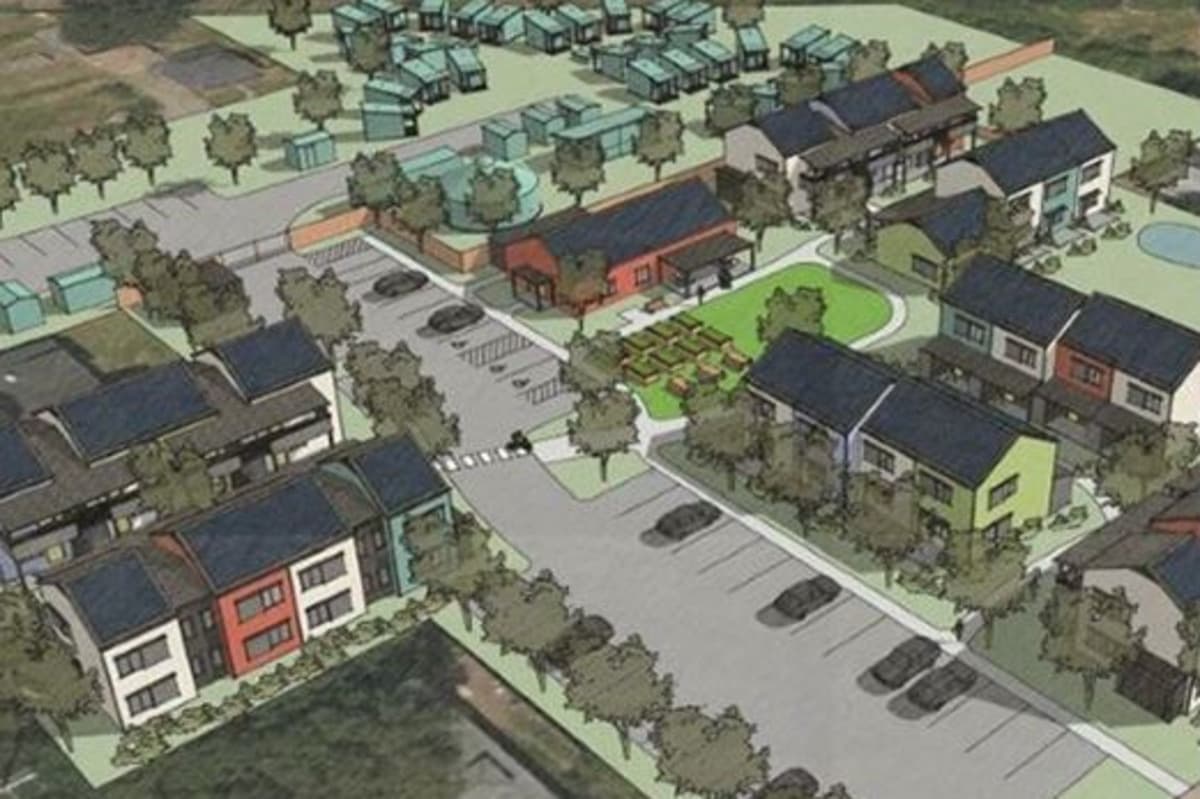
Eugene City Councilors advanced two proposed 10-year property tax exemptions intended to spur construction of middle-income and denser market-rate housing, voting unanimously to send the policies to a public hearing. City staff say the incentives are part of broader efforts to meet the region’s housing needs and to support denser development near transit.
Under the draft rules, one exemption would target middle-income housing and apply to both rentals and homes for sale that meet an affordability threshold. Yahoo and the Register-Guard reported the middle-income option would require affordability to households earning up to 120 percent of Eugene’s median income. OPB and KLCC framed that threshold as targeting residents who make 20 percent more than the local median income. Transit proximity language varies by outlet: Yahoo and the Register-Guard describe eligibility as within a quarter-mile of a bus stop, while OPB and KLCC use the phrase within a quarter-mile of a fixed transit line. OPB and KLCC also note that using 2025 rent limit criteria, a two-bedroom under the middle-income exemption would cap at $2,478 per month.
The second proposed exemption would mirror the city’s existing Multi-Unit Property Tax Exemption, but be available in more commercial locations and would not carry affordability requirements. Yahoo reports the commercial centers exemption would require dense projects at about 25 units per acre and be limited to identified core commercial centers. Draft areas cited in reporting include Downtown, including the core, riverfront and midtown, and examples such as Valley River Center and Oakway Center were noted by OPB. The Station House project in the Market District, a 124-unit development supported previously by MUPTE, was cited as an example of how tax exemptions have helped projects move forward.
The moves come amid state and local assessments of housing need. According to the Register-Guard, the state’s housing assessment shows Eugene needs 25,944 homes, with a breakdown of 11,797 low-income, 6,980 middle-income and 7,192 high-income homes. OPB and KLCC described the state assessment as calling for nearly 26,000 new units over the next two decades. The Register-Guard also reported city staff saying 12,000 Eugene households are currently severely rent burdened, defined as spending more than half their income on housing.
City officials are also weighing participation in the state’s new Moderate Income Revolving Loan program, which OPB and KLCC describe this way: "Those developers would get property tax exemptions for 10 years, but would be asked to make regular payments on their loans." Meeting materials flagged a potential liability for the city if a developer becomes delinquent, a point city staff raised in discussions reported by OPB and KLCC.
Councilors set the next formal step as a public hearing. The Register-Guard notes Eugene City Council typically holds hearings on the third Monday of the month and, because of spring recess, the hearing will most likely be April 20. Community Development Director Will Dowdy told KLCC private developers are already showing interest, and Councilor Mike Clark told KLCC, "Because people need more places to live in Eugene, anything we can be doing to incentivize making it easier to do financially as quickly as possible is a wise decision."
For residents, the proposals could steer more housing toward downtown and other commercial hubs and change the mix of rental and ownership options near transit. What comes next is public input at the hearing, final decisions on which commercial centers qualify and continued scrutiny of fiscal impacts and program rules before any exemptions take effect.
This article was produced by Prism’s automated news system from verified source data, official records, and press releases, then run through automated quality and moderation checks before publishing. The system is built and supervised by the people who set the standards it runs under. Read our full AI policy.
Did this article answer your question?