Eugene City Council Moves to Require Home Energy Scores in Real Estate Sales
Eugene City Council voted 5-3 to draft an ordinance requiring home sellers to obtain energy efficiency scores, a move that could position Eugene as Oregon's fifth such city.
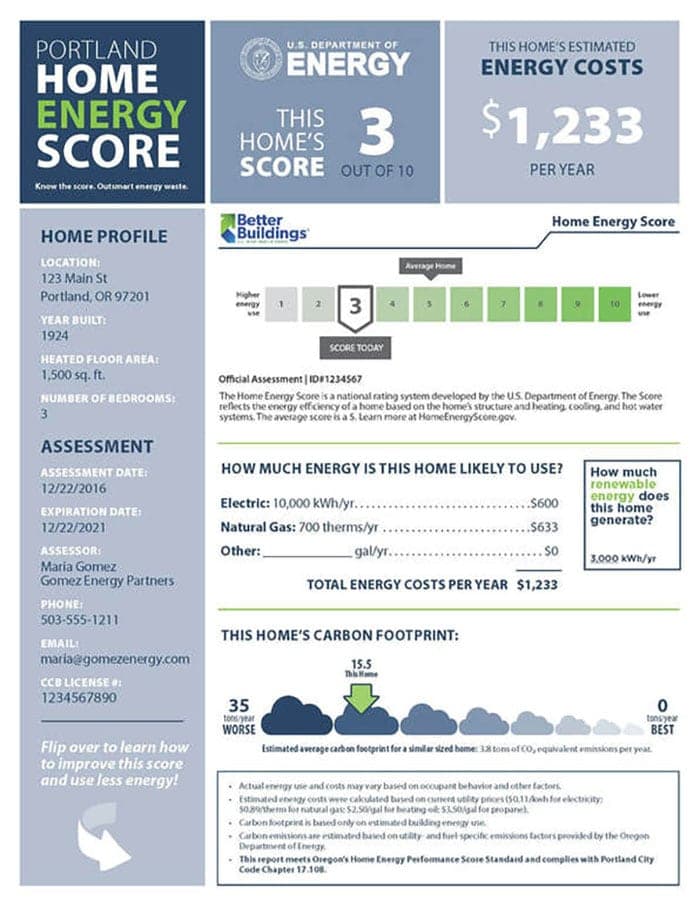
Eugene City Council voted 5-3 on March 9 to direct city staff to draft an ordinance requiring home sellers to obtain and disclose a home energy score before listing their property, positioning the city to join Portland, Hillsboro, Milwaukie, and Bend as Oregon municipalities that mandate the practice.
The scoring system, based on a U.S. Department of Energy model developed in 2012, rates a home's energy efficiency on a scale of one to ten and includes an estimate of annual energy costs. Sellers would not be required to hit a minimum score or act on any suggested improvements the report identifies. As Portland-based energy auditor Darren Morgan described the assessment process: "The main things we check for are the volume of the house, the amount of windows, the orientation of the windows, the insulation in the attic, the basement, crawl space, and then the walls."
The local context for the policy is stark. Sixty-five percent of Eugene's housing stock was built before 1990, when state building codes were updated to require stronger energy efficiency standards, leaving much of the city with poor insulation, inefficient heating systems, and outdated appliances. Across Lane County, 34% of households are considered energy-burdened, meaning the costs of inefficient homes fall hardest on lower-income residents.
Ward 3 Councilor Alan Zelenka framed the measure in terms of affordability. "I think what this does is it provides very important information about operating costs of a home which is really critical because the operating cost is really associated with the livability and affordability that people have," he said. "And those are the two biggest issues we have in Eugene right now." Ward 2 Councilor Matt Keating called it "a 21st century consumer protection piece around our home energy."
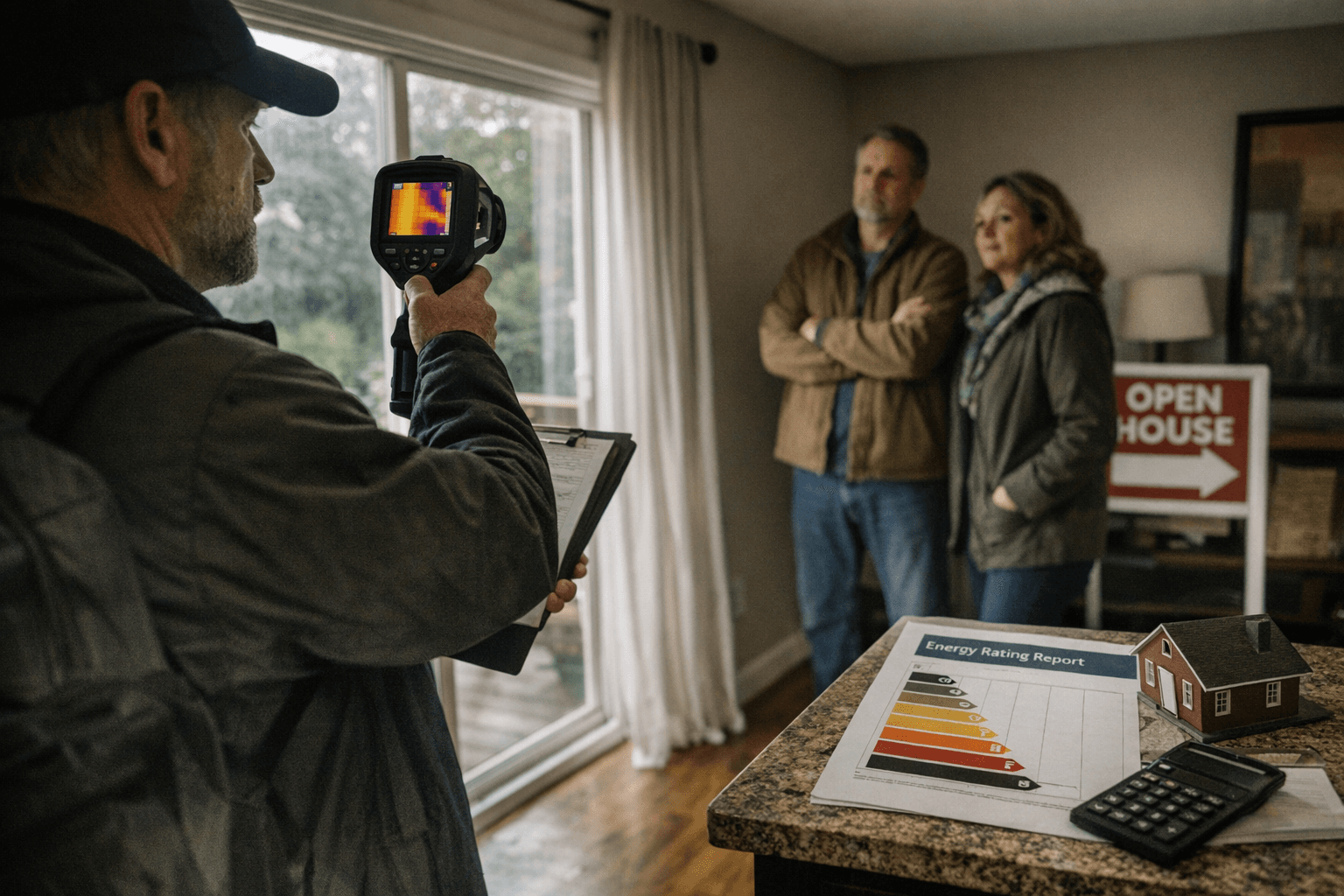
Scaling up the program presents a practical challenge. Only about four assessors currently serve the Eugene area, while Climate Policy Analyst Danielle Klinkebiel of the city's sustainability program told the council that running the program without disrupting the real estate market would require 16 to 20 full-time assessors. Klinkebiel added that research shows assessor jobs have "ramped up" elsewhere when demand is established. Eugene has an existing partnership with the Oregon Department of Energy and Earth Advantage, which maintains a list of approved assessors and sets training requirements under Oregon Administrative Rules. A home energy score currently costs between $150 and $300 in Eugene.
Not everyone on the council was persuaded. Ward 8 Councilor Randy Groves was among those voicing concern about adding to regulatory burdens, and some members raised objections to the roughly $250 cost in what they characterized as an already challenging housing market. Community commenters also warned that any cost imposed on rental properties could translate into higher rents, with one speaker noting that "housing is already incredibly high priced in our community."
The mandatory policy would apply only to home sales, not rentals. Eugene previously ran a voluntary program offering free home energy scores to renters and low-income homeowners through a partnership among the city, the University of Oregon, and the Eugene Water and Electric Board, but engagement was low and the program is currently on hiatus. City staff have now been directed to draft policy options and present possible pathways forward to the council.
This article was produced by Prism’s automated news system from verified source data, official records, and press releases, then run through automated quality and moderation checks before publishing. The system is built and supervised by the people who set the standards it runs under. Read our full AI policy.
Did this article answer your question?