Eugene Cold Snap Pushes Demand to 453 MW, Raises Supply Concerns
Eugene's cold snap pushed electricity demand to about 453 megawatts, raising supply concerns because most power comes from Bonneville hydropower.
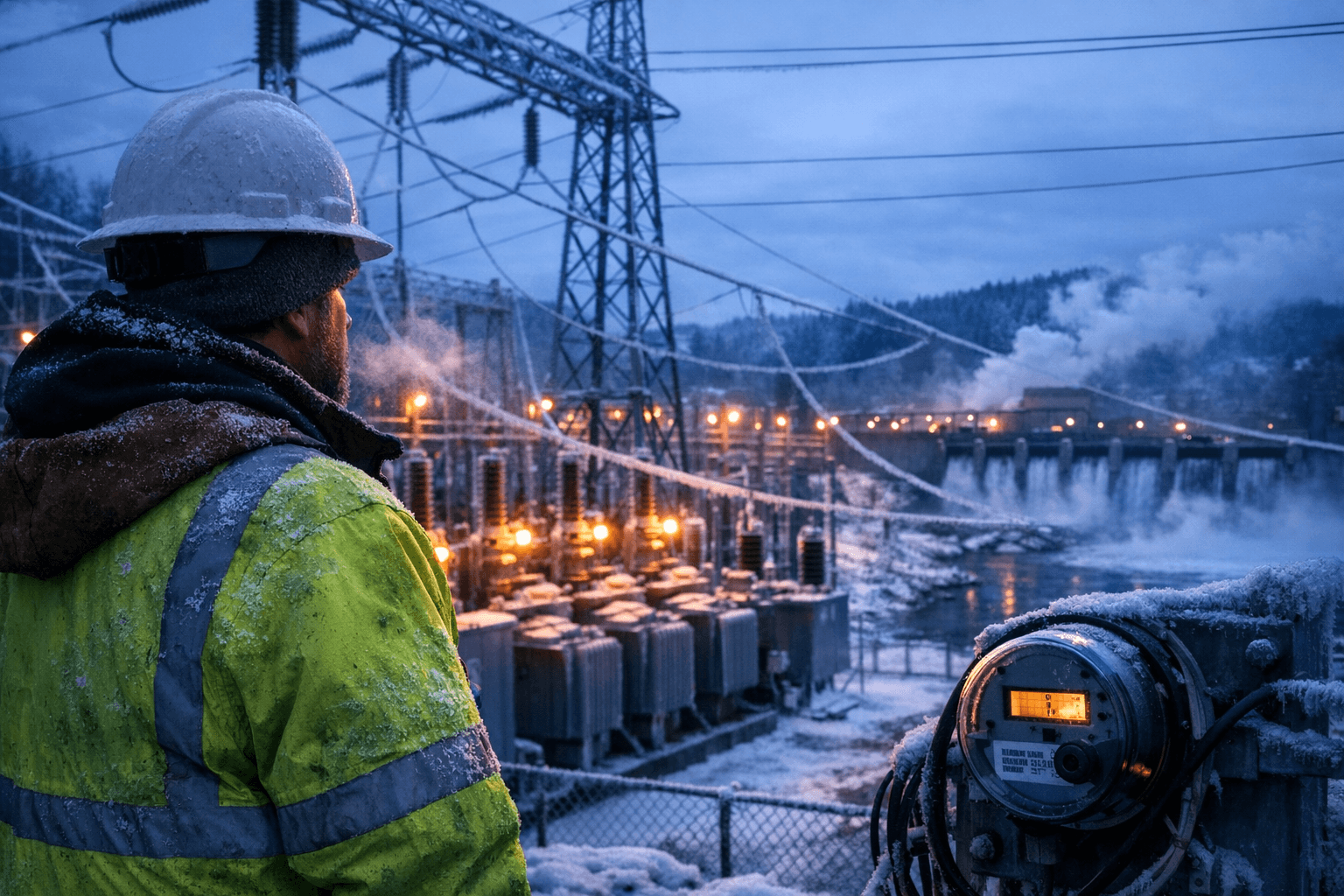
A prolonged cold snap in Eugene drove winter electricity demand to about 453 megawatts, testing local supplies and spotlighting the region's dependence on hydroelectric power. The Eugene Water & Electric Board recorded the peak during the stretch of below-normal temperatures, and the surge has prompted officials to urge conservation while monitoring hydrology for the rest of the winter.
EWEB sources roughly 80% of its power from the Bonneville Power Administration, which relies heavily on river flows and snowpack across the Columbia Basin. That means reservoir levels and Cascade snowpack conditions will play an outsize role in whether Bonneville can maintain steady output and keep market prices stable as the season continues. Lower-than-expected snowpack or constrained reservoir storage could tighten supply across the Pacific Northwest and raise costs for utilities and customers.
For Eugene residents the immediate impact is straightforward. Higher demand increases stress on the distribution system and can translate into higher wholesale costs that influence future rates. EWEB has recommended household conservation measures and highlighted assistance for income-qualified customers as well as home-efficiency rebates to reduce consumption and ease pressure on the grid. These programs aim to help vulnerable households lower bills and improve insulation, heating efficiency, or other measures that cut electricity use during peak periods.
EWEB placed the recent 453 megawatt peak into historical context by noting that winter demand fluctuates with temperature swings and hydrological conditions. While single-day or multi-day demand spikes are not unprecedented, the combination of prolonged cold and heavy reliance on hydropower makes planning more complex this year. Utilities across the region are watching snow surveys and reservoir forecasts to anticipate whether additional conservation appeals or market purchases will be necessary.
Local businesses that rely on electric heating or on-demand power should prepare for potential volatility in supply and wholesale prices. Residents can help by reducing discretionary uses during peak hours, tightening thermostat settings, and exploring available rebates for weatherization. Community organizations and income-qualified programs provide targeted support for households facing larger heating burdens.
As winter progresses, Eugeneans can expect updates from EWEB and regional hydrology reports that will clarify whether the Bonneville system can meet sustained demand. For now, the spike to 453 megawatts underscores how local lives are linked to mountain snow and river reservoirs, making conservation and efficient homes practical steps to blunt the season's pressure on supply.
This article was produced by Prism’s automated news system from verified source data, official records, and press releases, then run through automated quality and moderation checks before publishing. The system is built and supervised by the people who set the standards it runs under. Read our full AI policy.
Did this article answer your question?