Eugene updates Urban Growth Strategies with Equity Atlas, housing plan
City of Eugene posted an update on its multi-year Urban Growth Strategies project, highlighting an Equity Atlas, draft maps and proposed housing actions. This shapes zoning and housing for the next 20 years.
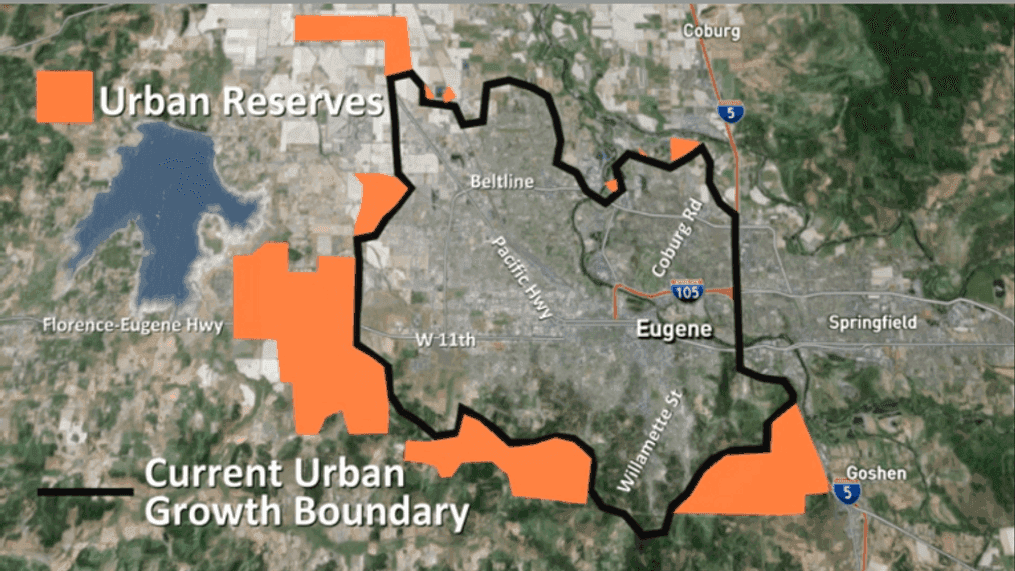
City of Eugene planning staff posted a January 9 update on the multi-year Urban Growth Strategies project, laying out recent work that will shape where housing, jobs and transit investments land in Lane County over the next two decades. The bulletin recaps the launch of an Equity Atlas documenting historical displacement, progress on the city’s Comprehensive Plan update, a draft Centers and Key Corridors map, and proposed housing actions intended to meet the city’s 20-year housing and jobs needs.
The Equity Atlas represents a major addition to the project’s evidence base. By mapping historical displacement patterns, the tool is intended to inform policy choices that respond to past inequities and reduce the risk of repeating them as new development accelerates. For residents and neighborhood organizations, the atlas creates a factual foundation for arguing how policies will affect long-term residents, renters and communities of color.
Parallel work on the Comprehensive Plan update ties those equity findings to land use policy. The project update indicates city staff are refining goals and policies that, if adopted in 2026–2027, will govern decisions on zoning, densities, infrastructure investments and public services. The timeline makes the current comment period relevant: changes adopted next year will guide development and permitting for years to come.
The draft Centers and Key Corridors map is the project’s practical blueprint for concentrating growth. The map identifies focal areas where the city envisions concentrating housing and employment - centers for higher-intensity development and corridors intended to support frequent transit and walkable neighborhoods. Where those boundaries are drawn will influence traffic patterns, transit planning, property values and the distribution of affordable housing options across Eugene.

Proposed housing actions in the update aim to address the projected 20-year need for homes and jobs. While the bulletin does not finalize policy changes, the items under consideration could affect building capacity, allowable housing types and incentives tied to affordability. That matters to renters, homeowners, developers and service providers who track housing supply, displacement risk and local economic growth.
The city directed residents to project pages and engagement summaries for more detail and outlined next steps for community input. Residents should visit the Planning & Development project pages, review engagement materials and participate in the scheduled comment opportunities as staff refine recommendations for council consideration in 2026 and 2027.
What happens next will determine how Eugene balances growth with equity. Residents who follow the project now have the opportunity to shape decisions that will affect neighborhood character, housing access and transit service for decades.
This article was produced by Prism’s automated news system from verified source data, official records, and press releases, then run through automated quality and moderation checks before publishing. The system is built and supervised by the people who set the standards it runs under. Read our full AI policy.
Did this article answer your question?