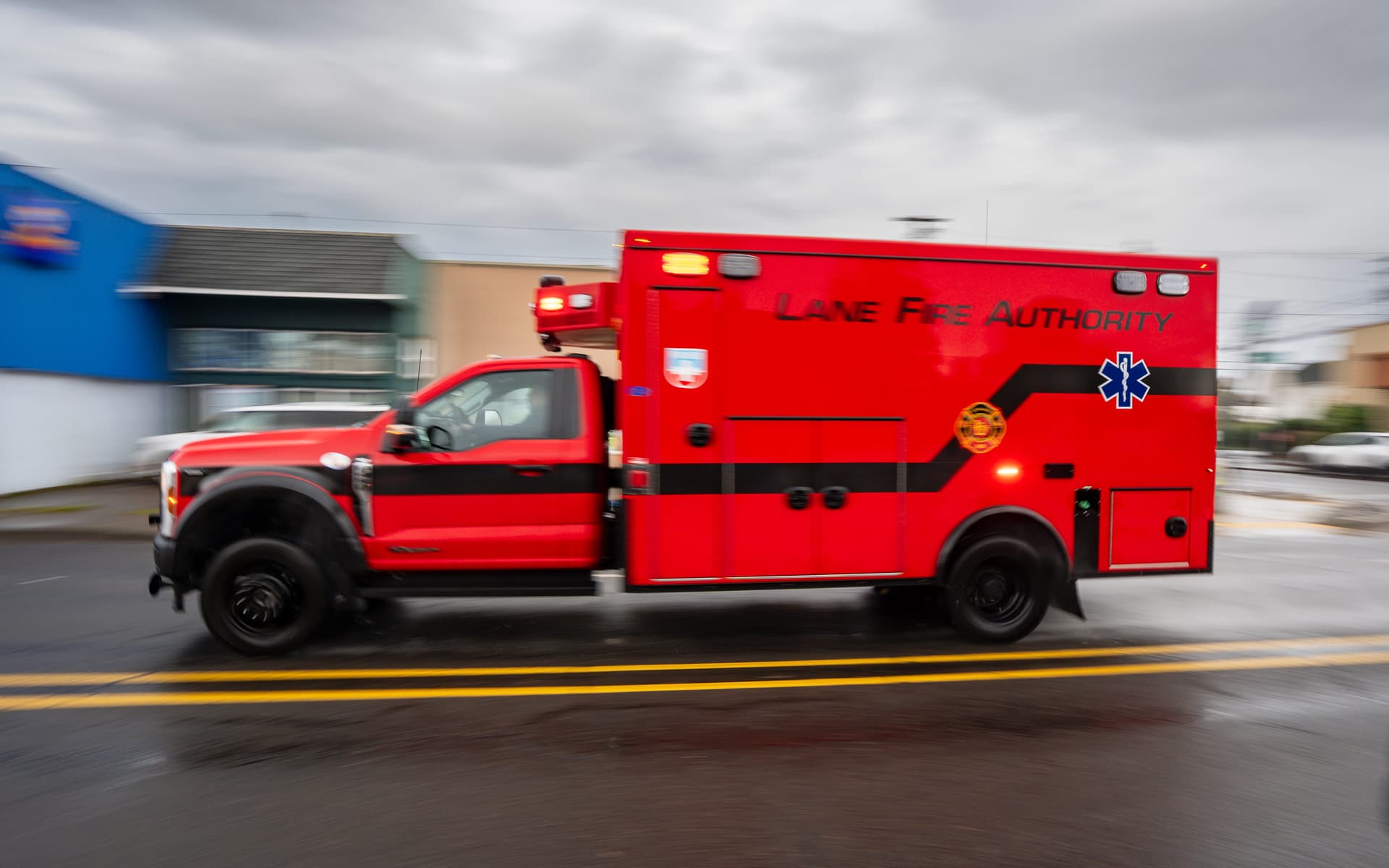
EWEB Advances Plans for Second Water Treatment Plant in Glenwood
EWEB's $97 million Glenwood water plant cleared a key planning vote; now elected officials decide who pays and what gets built on the riverbank.
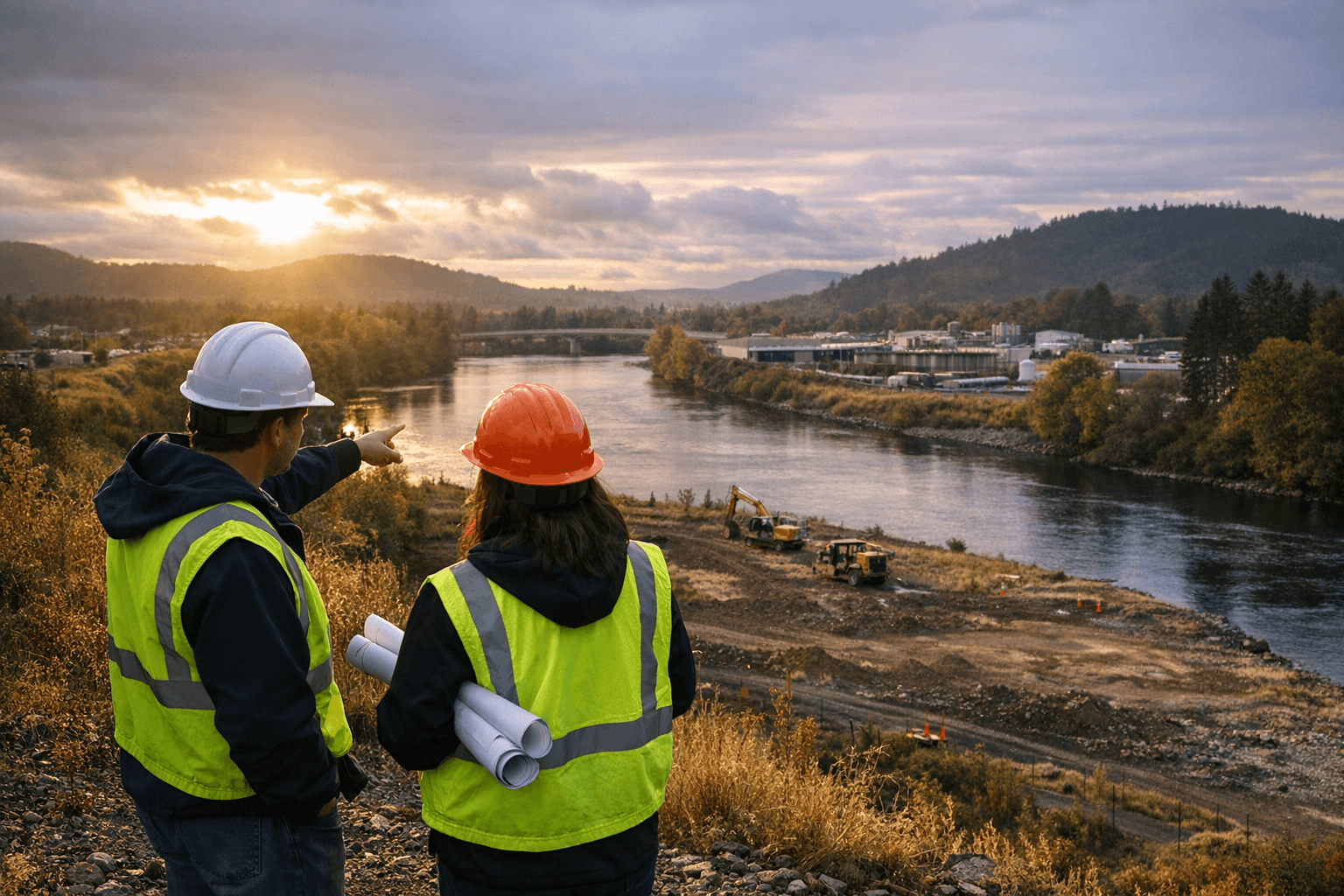
Chief Operations Officer Karen Kelley and Principal Engineer Laura Farthing have spent years making the case that Eugene's single-source water supply is one wildfire or earthquake away from collapse. On March 17, that argument carried enough weight to win unanimous backing from both Springfield and Lane County planning commissioners, clearing the first major land-use gate for a proposed $97 million water treatment plant on the west bank of the Willamette River in Glenwood.
The vote is not the finish line. It is the first of several consequential decisions by elected and appointed bodies, any one of which could reshape or stall the project.
What the planning commissions actually approved was a recommendation to amend local codes to allow "high impact public utility facilities" in Glenwood's Employment Mixed-Use district, a designation currently structured around commercial and light industrial development near Interstate 5. That zoning shift is what allows EWEB to site the plant on property it has already purchased, with a water intake planned near the confluence of the Coast Fork and Middle Fork of the Willamette. A pipeline would carry treated water to EWEB's existing distribution network near the Knickerbocker Pedestrian Bridge.
The change carries real costs to Glenwood's longer-term redevelopment trajectory. Placing a large-scale industrial water facility inside the Employment Mixed-Use corridor effectively steers that riverbank parcel away from the mixed commercial vision city planners have long outlined for Glenwood. Neighbors and river advocates will have their own formal opportunities to weigh in as environmental review proceeds, a process that is already underway.
The funding picture is the sharpest pressure point for ratepayers. EWEB has pegged the project cost at $97 million and is pursuing state and federal grants, bonds, and rate planning to cover it. Specific per-household bill projections have not been made public, and a firm construction cost will not be known until detailed design work on the plant, pipeline, and intake structure is complete. EWEB's elected Board of Commissioners approved rate increases for 2026 in December, citing the need for infrastructure investment; further adjustments tied to the Willamette plant remain a likely future ask.
Kelley and Farthing have framed the urgency in concrete terms: the 2020 Holiday Farm Fire and the 2024 ice storm both forced evacuations and power outages at Hayden Bridge, EWEB's only treatment facility, which draws from the McKenzie River. "These incidents could have very easily caused EWEB to have to shut down the treatment plant, leaving Eugene residents without a source of potable water," Farthing said. A Cascadia Subduction Zone earthquake looms as the long-range scenario driving the project's timeline. EWEB also supplies treated water to the Springfield Utility Board, Rainbow Water District, Veneta, and Willamette Water Company, meaning a Hayden Bridge failure would ripple far beyond Eugene city limits.
In September 2024, EWEB submitted a Joint Permit Application to the U.S. Army Corps of Engineers and Oregon Department of State Lands to address environmental permitting for the standalone plant. The planning commission recommendations now move to the Eugene City Council and Lane County Board of Commissioners for formal adoption. Those votes, not last week's unanimous recommendations, are where the project's land-use future will be settled.
This article was produced by Prism’s automated news system from verified source data, official records, and press releases, then run through automated quality and moderation checks before publishing. The system is built and supervised by the people who set the standards it runs under. Read our full AI policy.
Did this article answer your question?