Floodwaters Recede After Atmospheric River, Rural Roads Reopen in Lane County
After an atmospheric river brought heavy rain on December 19, flood waters began to recede across low lying parts of Lane County. Most impacts were nuisance level rather than catastrophic, but temporary closures of rural highways and standing water on fields kept officials and residents on alert as unsettled weather continued.
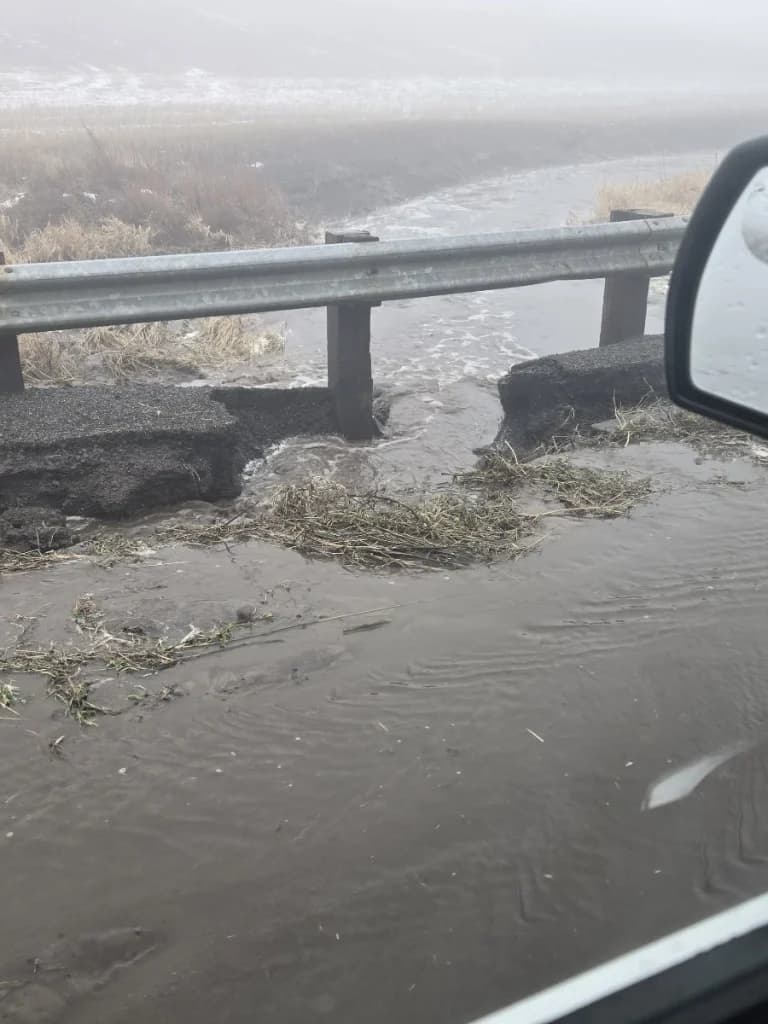
Rain associated with an atmospheric river pushed through the region on December 19, leaving standing water in many low lying fields and lowlands across Lane County. By December 19 evening flood waters had begun to sink back in numerous locations, reducing immediate threats to homes and critical infrastructure. Authorities described the overall impact as largely nuisance level rather than catastrophic, though some rural routes and low water crossings were temporarily impassable.
Road conditions shifted through the day as transportation officials assessed damage and reopened passage where it was safe. The Oregon Department of Transportation reported reopenings, including OR 226 near Scio after a temporary closure, as crews worked to clear debris and confirm lane integrity. Local rural highways experienced short term closures at several points. Motorists were advised to expect residual standing water on shoulders and in fields adjacent to roadways, and to allow extra travel time while conditions returned to normal.
While immediate flood pressures eased at lower elevations, forecasters warned of more unsettled weather with mountain snow expected in higher elevations. That change in precipitation type could complicate conditions for travelers heading toward the Cascades and for operations that support rural and mountain communities. Officials urged residents to remain cautious, to monitor updated road and weather information, and to avoid driving through flooded roadways.
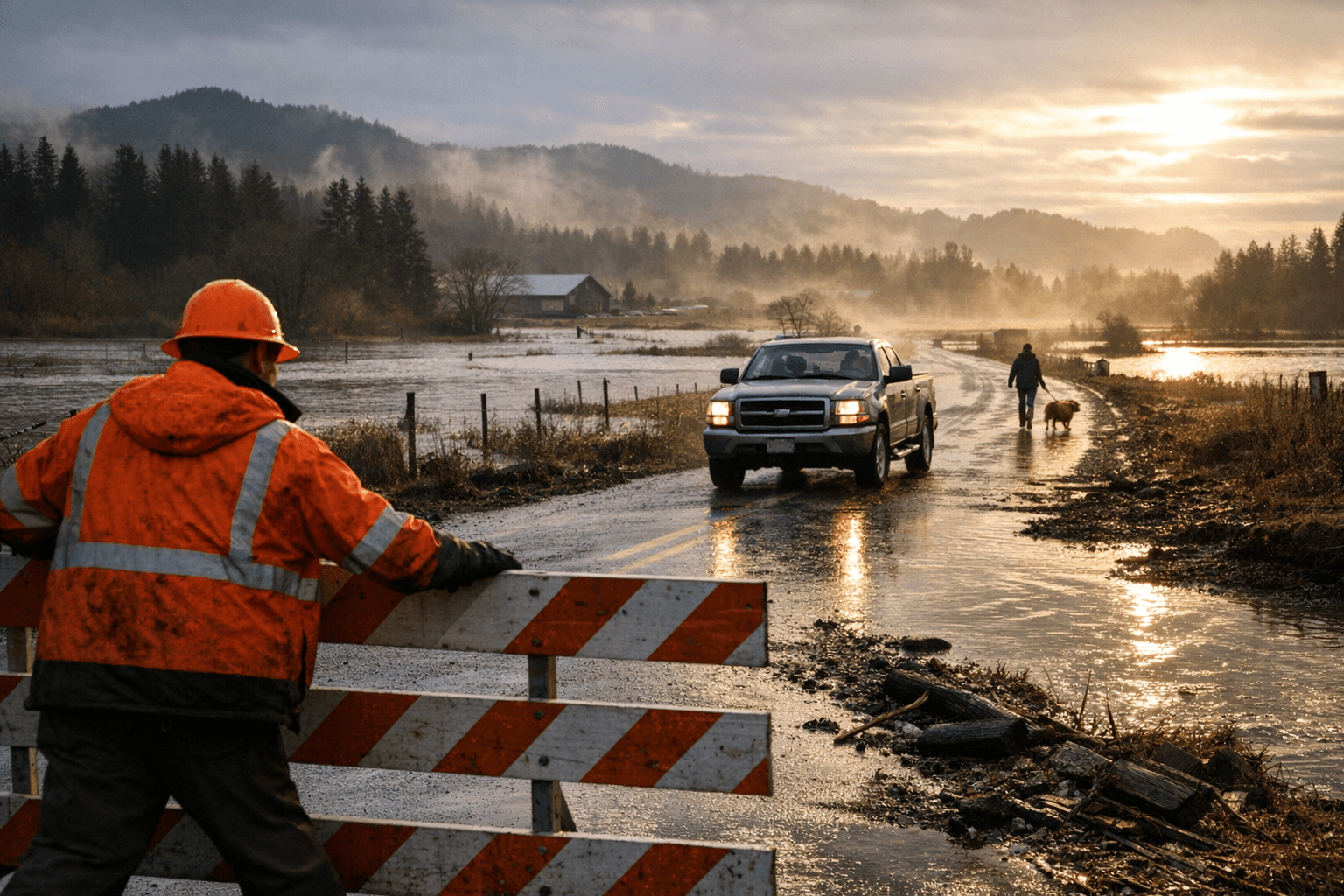
For Lane County residents the episode underscored the vulnerability of low lying agricultural lands and rural roads to concentrated rain events. Standing water can delay farm work, affect roadside drainage systems, and create slick conditions for school buses and delivery vehicles. Local emergency and transportation partners emphasized that nuisance level flooding still carries risk for isolated properties and for people who attempt to cross flood waters on foot or in vehicles.
As crews and officials continued assessments, the community was reminded that weather can remain changeable through the winter season, and that keeping informed about road and weather updates will help households and businesses navigate ongoing risks.
This article was produced by Prism’s automated news system from verified source data, official records, and press releases, then run through automated quality and moderation checks before publishing. The system is built and supervised by the people who set the standards it runs under. Read our full AI policy.
Did this article answer your question?