Oregon Raises Vehicle Title Fees, Impacting Lane County Drivers
State lawmakers enacted House Bill 3991, and the new vehicle title and registration fee schedule took effect Dec. 31, 2025. The change raises base title fees for most vehicles by $139 to generate revenue for transportation system maintenance and safety improvements, a cost shift that will affect Florence and other western Lane County communities.
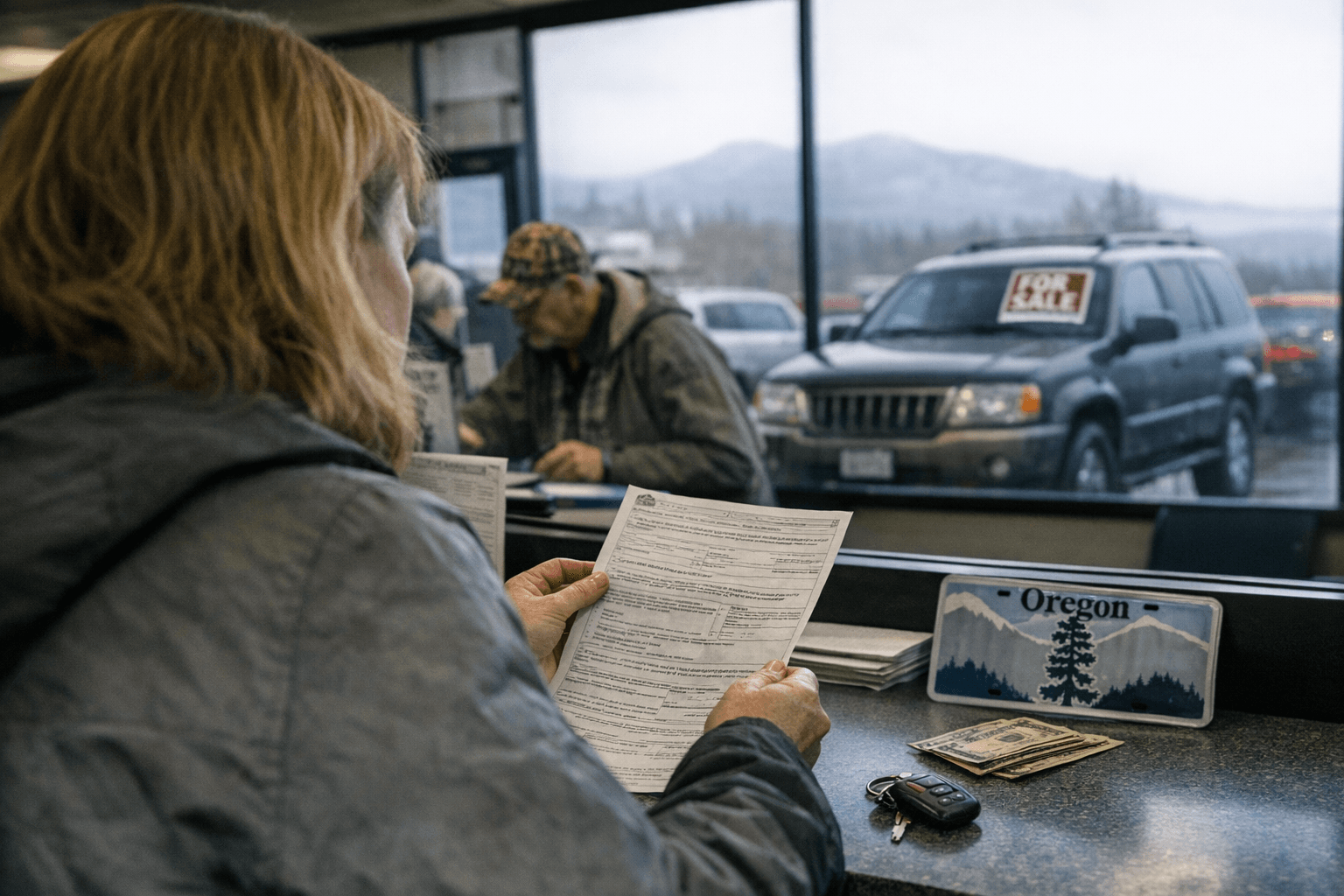
Oregon implemented new vehicle title and registration fees at the end of 2025 under House Bill 3991, with statewide changes taking effect Dec. 31, 2025. The most immediate change for drivers is an increase in base title fees for most vehicles by $139, part of a broader package intended to raise revenue for maintenance, reliability and safety across the state's transportation network.
For residents of Florence and western Lane County, the increase will show up when buying vehicles, transferring titles or completing registration transactions. Small businesses that operate fleets, seasonal residents who register second vehicles, and households replacing older cars are likely to feel the change most directly. In coastal and rural communities where travel options are limited and driving is often essential, even modest fee increases can strain household budgets and local service providers.
State officials framed the fee adjustments as necessary to shore up aging infrastructure and improve system reliability. That statewide focus can translate into local benefits - repairs to pavement, bridge maintenance, improved signage and investments aimed at reducing winter travel hazards - but it also raises questions about how revenue will be distributed among urban and rural needs. Lane County roadways that serve tourism, fishing and timber sectors may compete with metropolitan priorities for a share of the new funds.
The timing of the change is significant for consumers and local government partners planning capital work in 2026. Vehicle purchases made or titles transferred near the effective date will be subject to the new base fee, so buyers and sellers should expect higher costs than in previous years. Local governments, school districts and emergency service providers that coordinate on transportation projects will be watching how allocations materialize at the county level.
Policy debates that preceded the vote reflected a familiar tradeoff between raising revenue and limiting financial burdens on residents. For a region whose economy relies on both year-round and seasonal travel, the impact will be felt in wallets and in calendars: planned maintenance and safety projects may accelerate, but households and businesses will absorb higher up-front costs. Lane County residents should budget for increased title and registration expenses and look to state motor vehicle authorities for detailed billing and payment guidance as implementation continues into 2026.
This article was produced by Prism’s automated news system from verified source data, official records, and press releases, then run through automated quality and moderation checks before publishing. The system is built and supervised by the people who set the standards it runs under. Read our full AI policy.
Did this article answer your question?