Springfield Residents Demand Answers After Police Flock Camera Activation
Springfield residents raised renewed privacy concerns after a Flock automated license plate reader captured images of a stolen vehicle despite the city saying the cameras were turned off. The episode has prompted scrutiny of the Springfield Police Department use of private camera networks, federal oversight risks, and calls for clearer local policies that protect community trust.
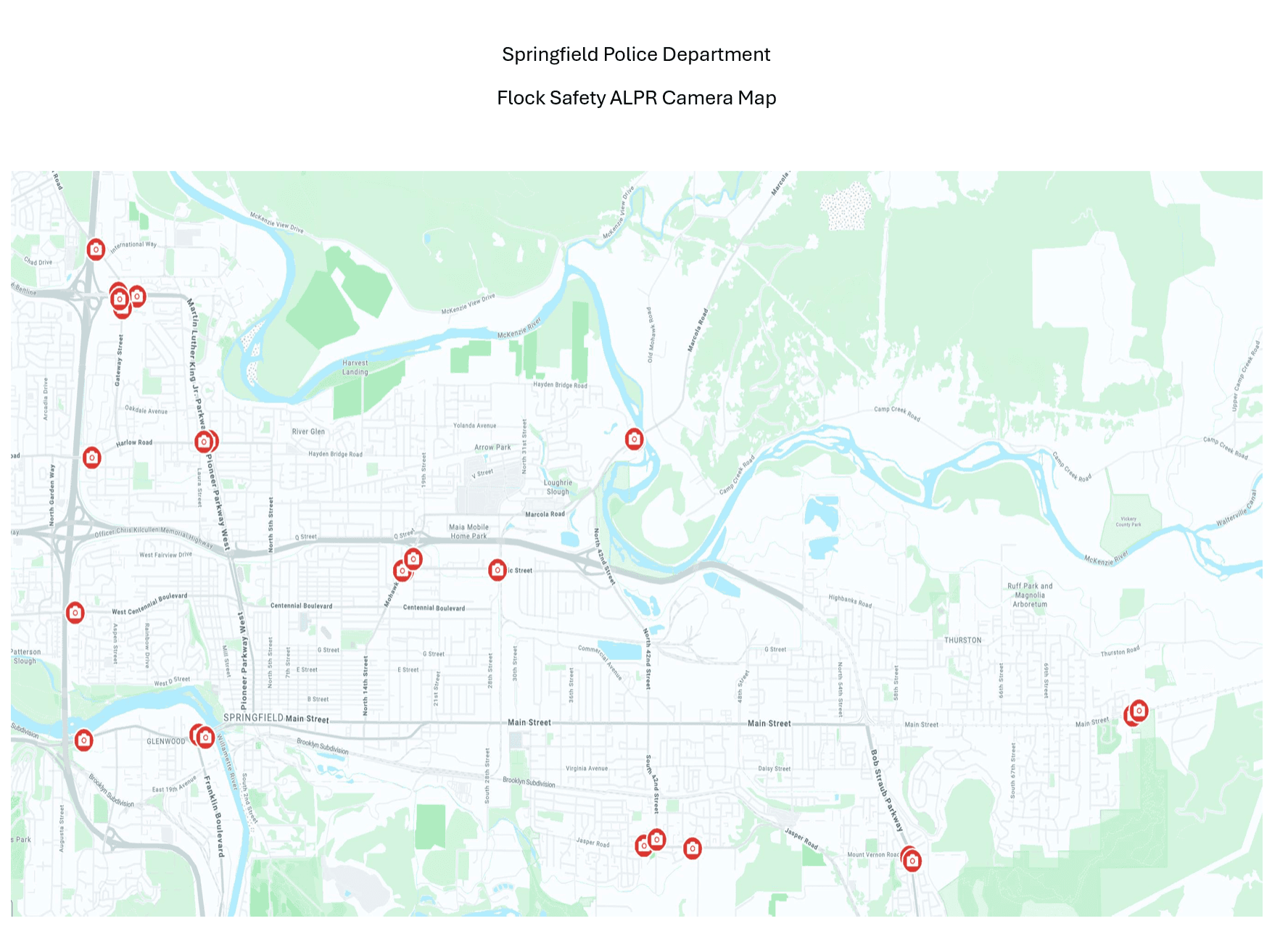
Springfield officials faced intensified public scrutiny in November after a Flock Safety license plate camera recorded a stolen vehicle near 28th and Olympic streets even though the Springfield Police Department had previously said its cameras were off. The department reviewed the event and said the camera had been detected by Flock’s system as offline, which triggered a technician work order. A technician reactivated the camera on November 7 during the repair process, and the department said it has since removed that device from Flock’s automated quality check process and turned it off. SPD also reported that any data collected during the brief activation will be deleted.
The incident surfaced during a period of public comment at a November 17 city council meeting and continued to drive community discussion through the week of November 26. Residents questioned the privacy risks posed by automated license plate recognition systems, commonly called ALPR, and raised concerns about possible data sharing with federal agencies including immigration and homeland security authorities. Organizer Kamryn Stringfield, who often visits Springfield from Eugene, spoke to the council and urged ending collection of this type of data to protect people from misuse.
The episode arrives amid broader national scrutiny of Flock Safety. U.S. Senator Ron Wyden has criticized the company in oversight letters, saying Flock has not demonstrated it can prevent misuse of its data or reliably audit how searches are conducted. Locally, Springfield Police Chief Jami Resch defended the cameras as a public safety tool, noting the city’s location on the I 5 corridor and the usefulness of ALPR photos for recovering stolen vehicles that travel through the area. Chief Resch also said officers must use credentials to access a separate system for additional information and that use follows SPD policies. She indicated the department will continue discussions to design a program that increases community comfort while ensuring secure and appropriate storage and use of information.
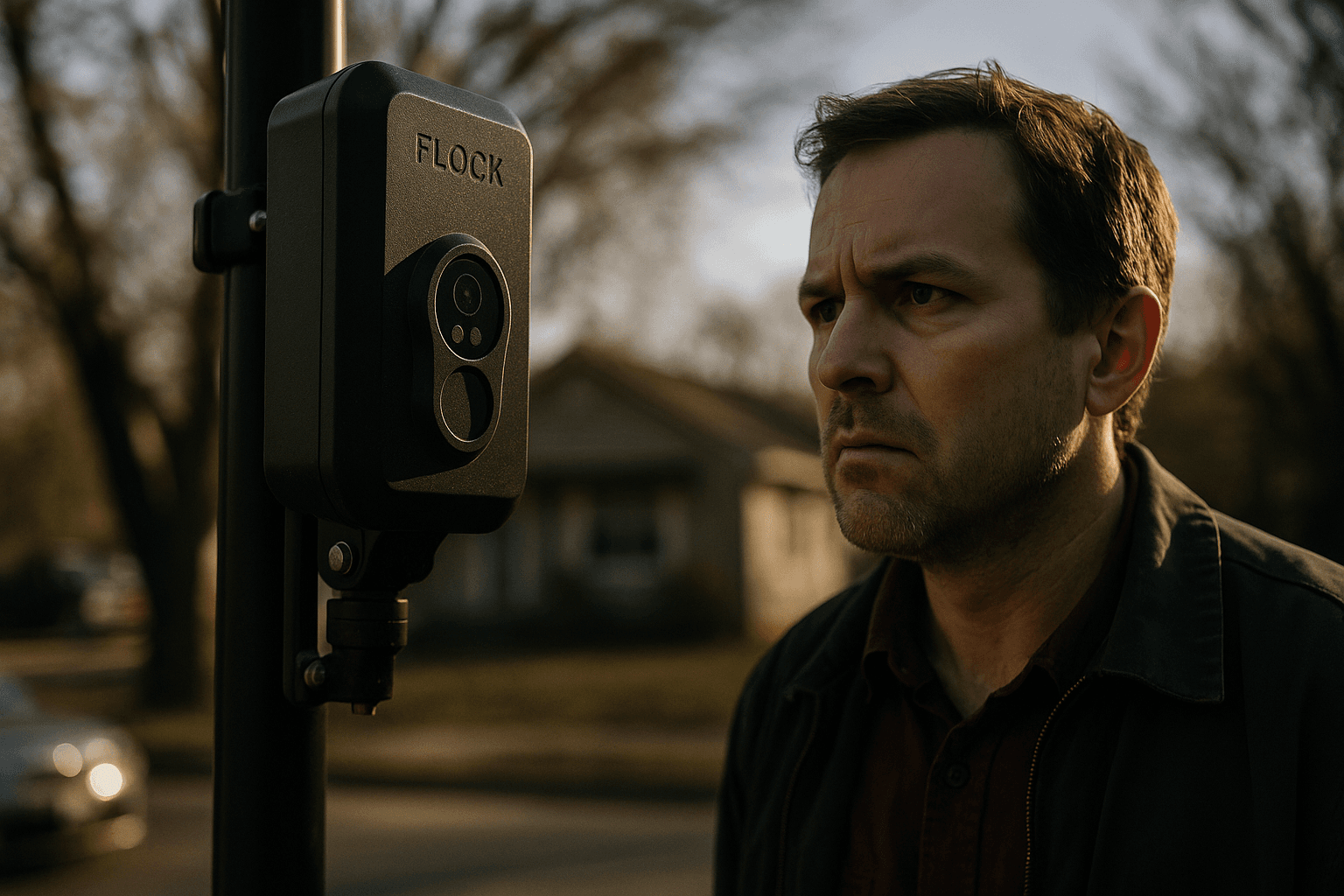
For Lane County residents the episode underscores tensions between public safety tools and civil liberties. The use of a privately operated camera network raises questions about procurement oversight, audit trails, data retention, and third party access. The city council and police leadership will face pressure to clarify policies, publish audit procedures, and consider independent oversight to restore public confidence. Civic engagement on the issue has already been active, and future council meetings are likely to include further testimony from residents concerned about privacy and the potential for data misuse.
This article was produced by Prism’s automated news system from verified source data, official records, and press releases, then run through automated quality and moderation checks before publishing. The system is built and supervised by the people who set the standards it runs under. Read our full AI policy.
Did this article answer your question?