State Appeals Panel Blocks Goshen Recycling and Food Diversion Facility
The Oregon Land Use Board of Appeals on Dec. 29, 2025 upheld a local ruling that found Lane County’s planned CleanLane recycling and food-diversion facility incompatible with zoning at the proposed Goshen site just south of Eugene. The decision halts development there, forces county leaders to consider alternatives such as Short Mountain Landfill, and raises the prospect of higher costs and service disruptions for local residents and businesses.
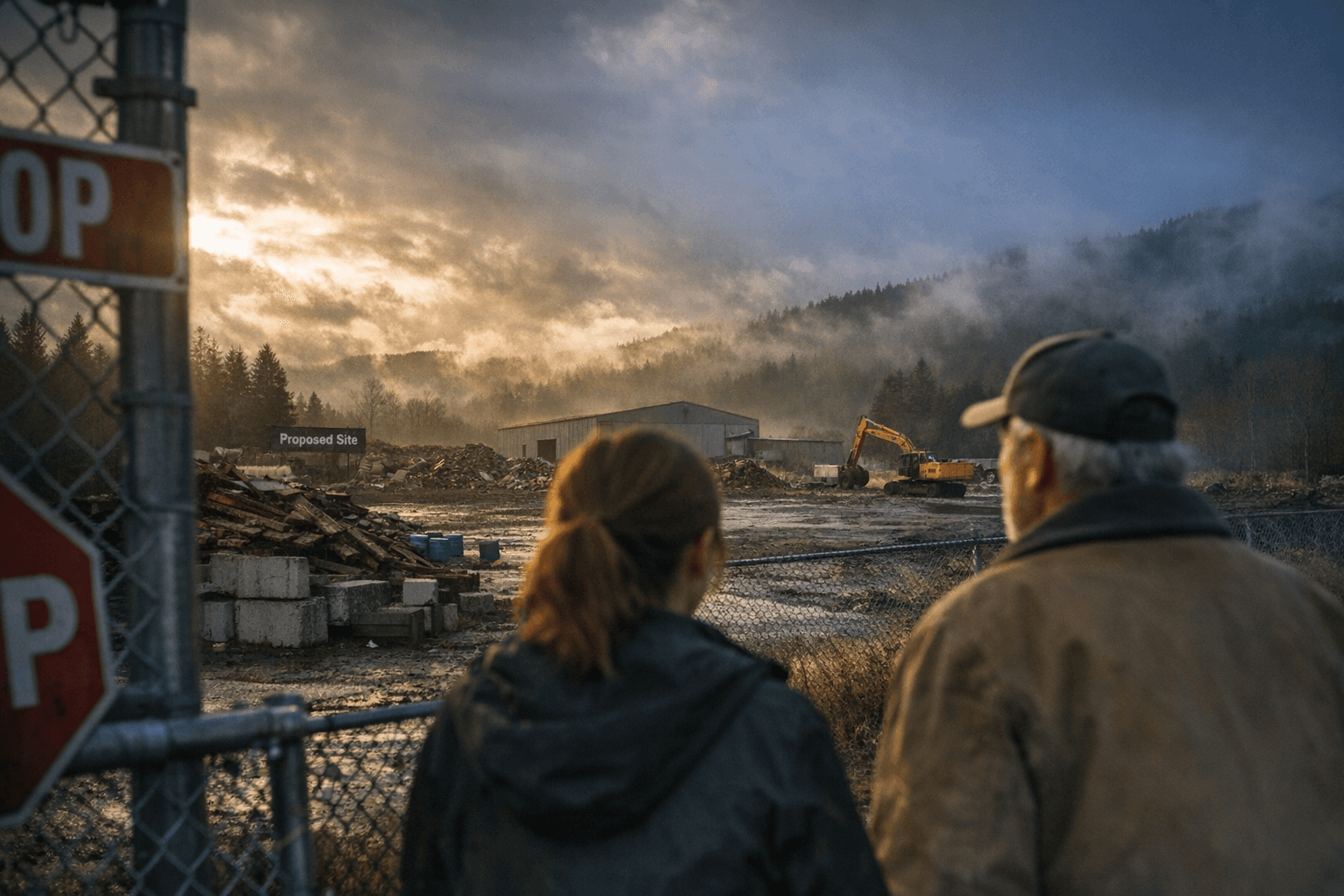
A state appeals panel affirmed a local zoning ruling on Dec. 29, 2025, effectively blocking construction of the CleanLane recycling and food-diversion facility at the Goshen site just south of Eugene. The ruling came after appeals from neighboring residents and haulers and leaves Lane County weighing relocation, legal options, and new partnerships to preserve the broader recycling and food-diversion goals behind CleanLane.
County officials acknowledged the LUBA decision could be appealed, while county staff are actively exploring relocation to Short Mountain Landfill and partnership arrangements intended to keep the larger diversion effort viable. Those options aim to keep progress toward reducing landfill-bound material moving forward, but they also carry their own siting, environmental review, and community-notification hurdles.
The CleanLane project has faced opposition and legal challenges since its introduction. Commissioners on the Lane County Board are split over the project’s future and its finances, with debate focused on whether to pursue an appeal, shift the project footprint, or scale the effort differently to control costs. Project cost pressures already threaten to push the total above earlier estimates, complicating budget planning and prompting concerns about potential impacts on service rates or county subsidies.
Local businesses and municipal haulers are watching developments closely. Changes in waste-hauler behavior have been noted in recent months, including moves by Sanipac/Waste Connections that have added urgency to planning conversations between the county, haulers, and commercial customers. For businesses that rely on predictable collection and processing services, delays or a change in facility location could result in altered routes, contract terms, or costs.
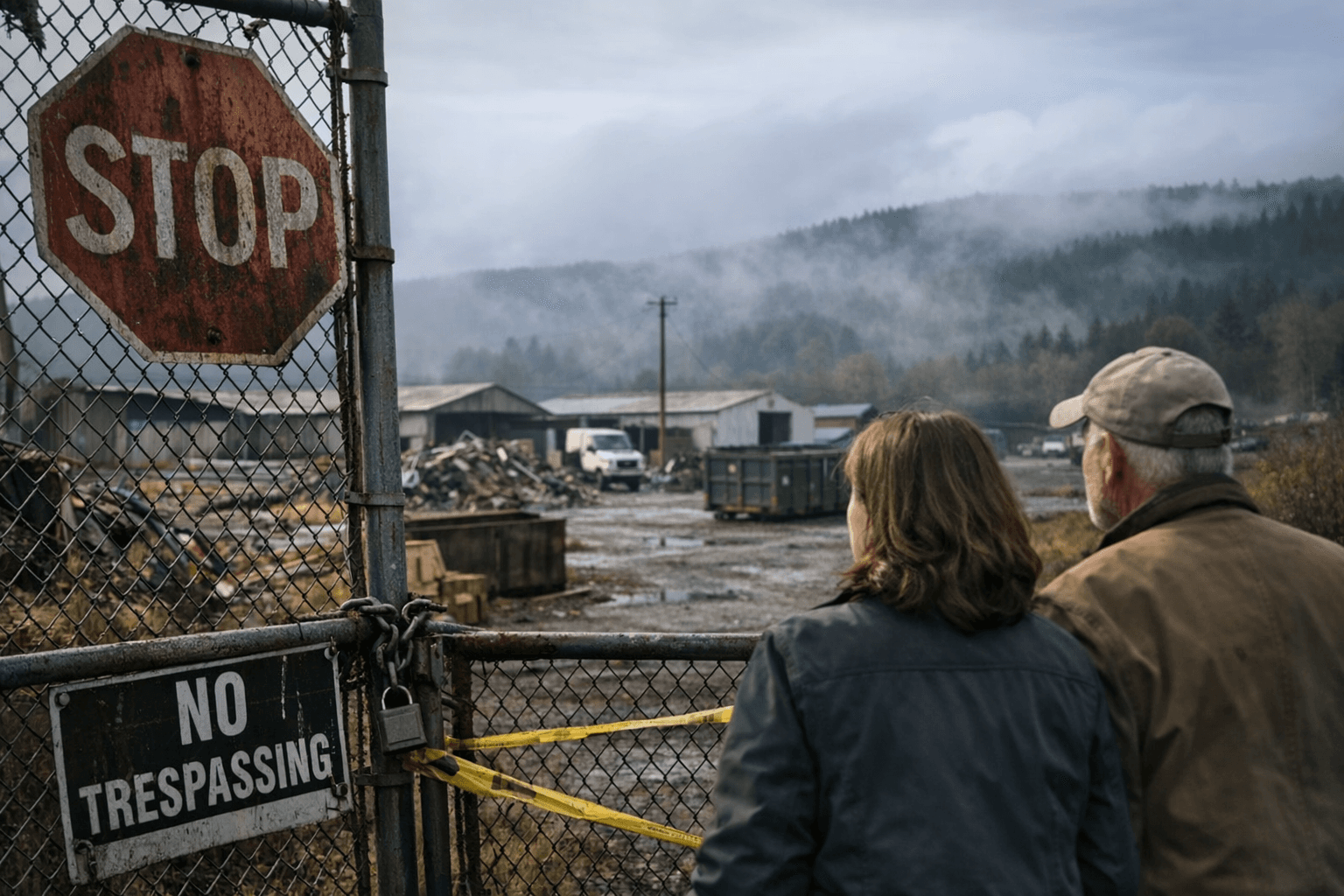
For residents, the decision means the immediate prospect of the Goshen site is off the table and the timeline for expanded recycling and food-waste diversion is uncertain. That uncertainty affects expectations for increased local diversion rates, potential new jobs tied to the facility, and community concerns that previously centered on traffic, odors, and property impacts at the Goshen location. If the county relocates the project to Short Mountain Landfill, impacts will shift geographically and require fresh community engagement and land use review.
The outcome in Lane County reflects a broader pattern in the United States and abroad: ambitious waste-diversion projects collide with local zoning, legal challenges, and the realities of siting infrastructure near communities. How County commissioners and staff respond in the coming weeks will determine whether CleanLane can be reshaped and delivered elsewhere, whether an appeal proceeds, and how quickly residents and businesses can expect expanded recycling and food-diversion services to come online.
This article was produced by Prism’s automated news system from verified source data, official records, and press releases, then run through automated quality and moderation checks before publishing. The system is built and supervised by the people who set the standards it runs under. Read our full AI policy.
Did this article answer your question?