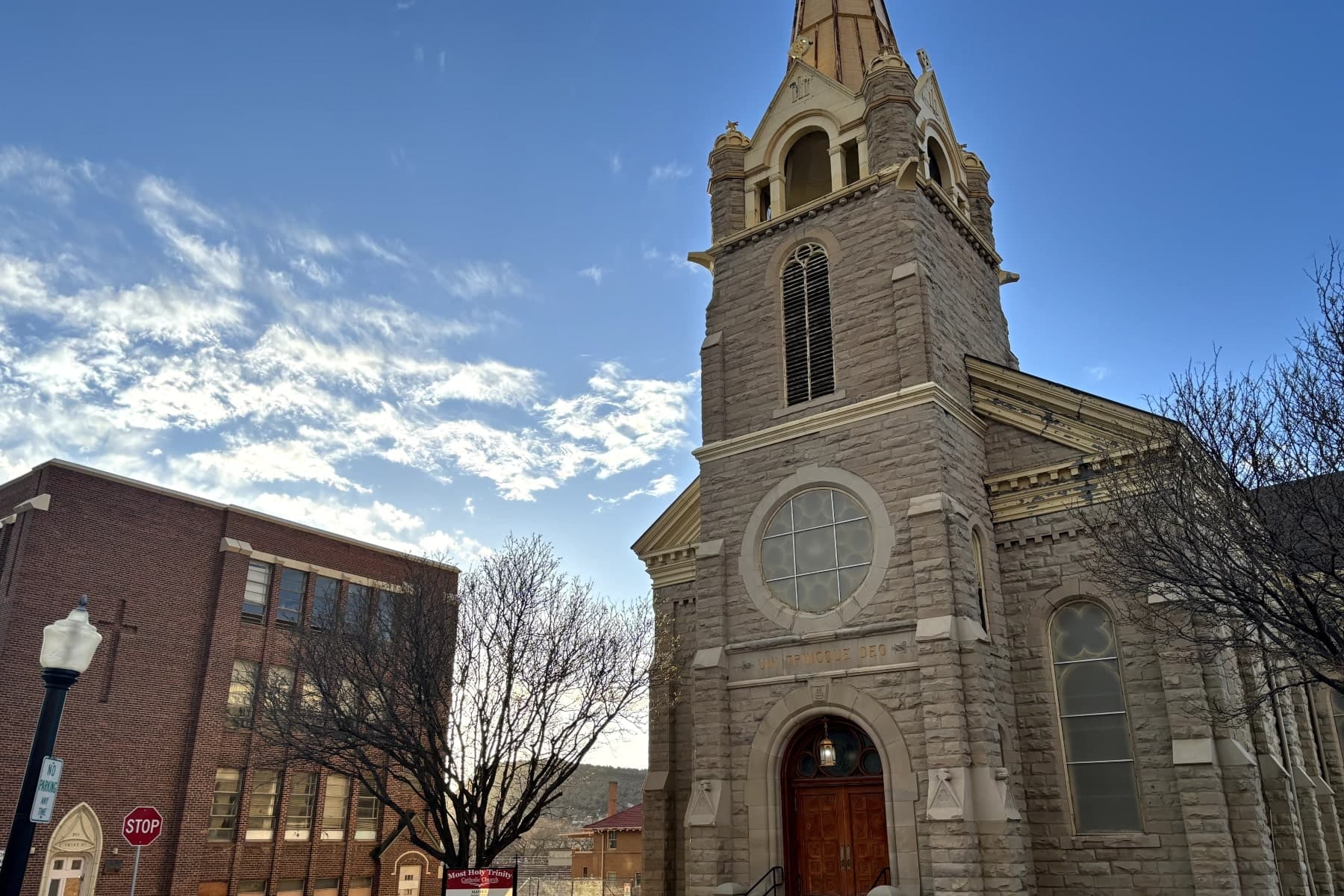
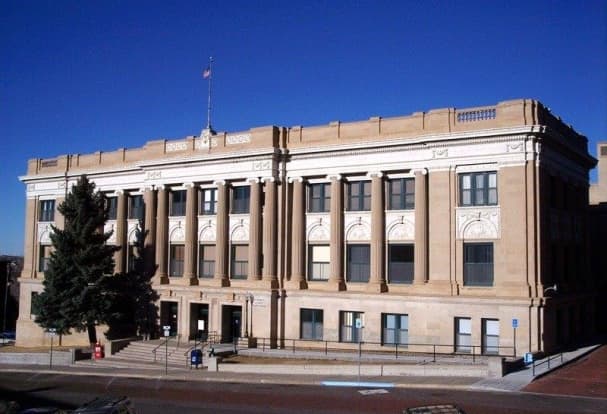
Aultman Studio preserves Trinidad's visual history with 50,000 negatives
Aultman Studio’s 50,000 negatives preserve Trinidad’s faces, storefronts and street life, including families and communities still central to Las Animas County’s identity.
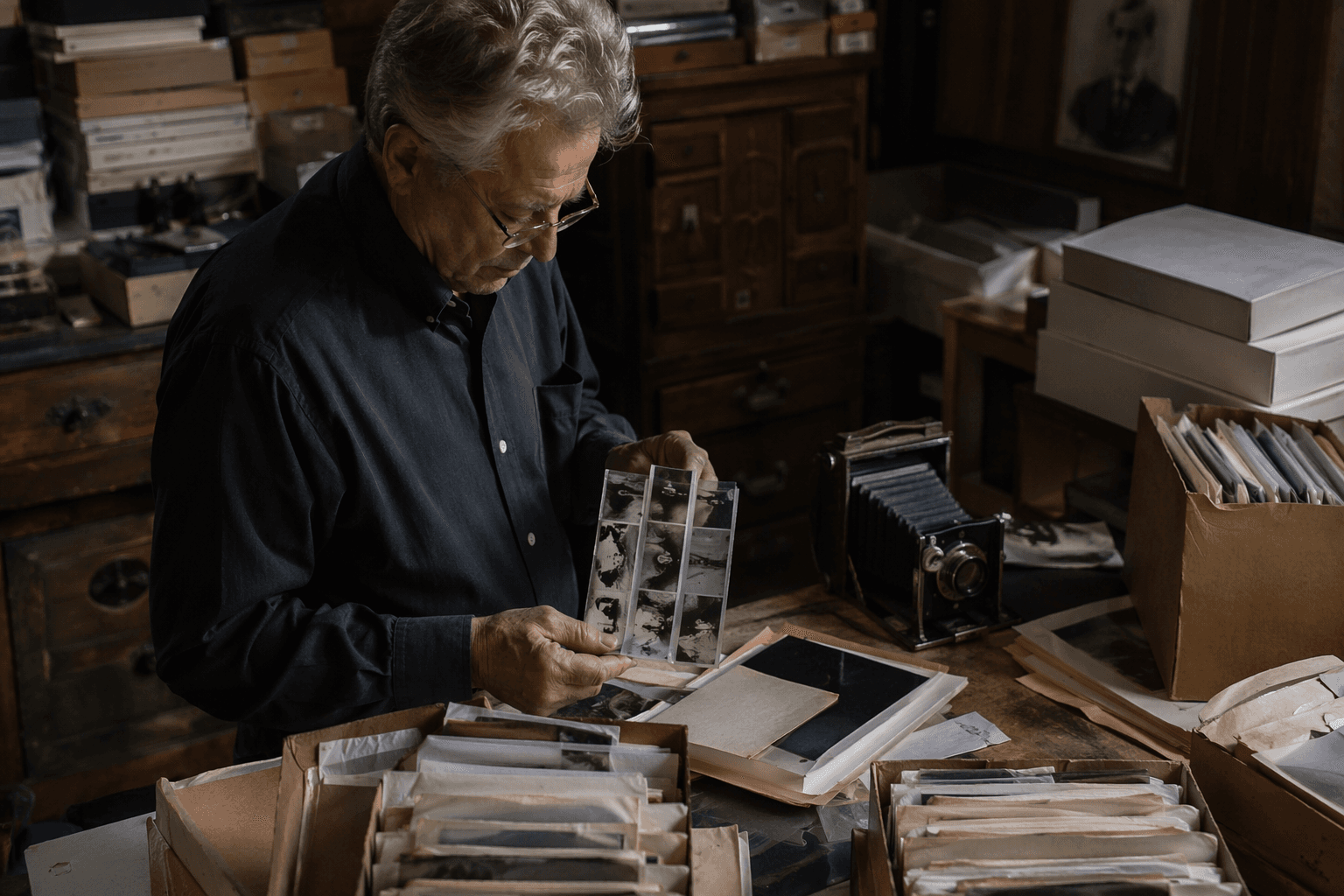
Oliver E. Aultman opened his Trinidad studio in 1890, and the archive it produced still holds storefronts on Main Street, family portraits, school groups, celebrations and the everyday routines that shaped Las Animas County. The photography business became a visual record of how southern Colorado worked, gathered and changed. More than a century later, the collection still helps residents see the county’s history in the people and places that built it.
What Aultman Studio holds
He used glass plate negatives before moving to film, building the state’s longest-running photography studio. The collection spans roughly 1889 to 2000 and represents 110 years of work, with more than 50,000 negatives preserved in the archive. History Colorado’s finding aid also lists about 50,000 glass plate negatives, 2,000 photographic prints, 20,000 film negatives, 9 tintypes and manuscript material in 31 boxes.
The collection documents Trinidad and the surrounding area, capturing streets, businesses, public life and the changing economy of southern Colorado alongside the people who lived through it. The archive is stored at the Stephen H. Hart Library & Research Center, while glass plate negatives and nitrate film negatives are kept offsite for preservation.
A county record made through ordinary life
The Aultman archive plainly reflects the people of the region. The portrait collection is a unique visual record of Trinidad’s early residents, and it includes African-American, Japanese, Hispanic and Native American subjects among the thousands photographed.
The photographs also preserve the look and feel of Main Street, local businesses and domestic life at the turn of the 20th century. Because Aultman photographed both clients in the studio and the broader town around him, the archive connects family histories to storefront histories in the same frame. For descendants, that means the collection can show not only who was in Trinidad, but how they dressed, worked, posed and presented themselves in a town that was still being built.
How the studio began and why that origin story matters
Aultman did not arrive in Trinidad with a grand plan to build a historic archive. He was a young bank clerk who had loaned $1,500 to photographer J.F. Cook, and when Cook fled town, Aultman took over the business to recover the loss. Self-taught, he turned the studio’s quick success on Main Street into one of Colorado’s most durable photographic records.
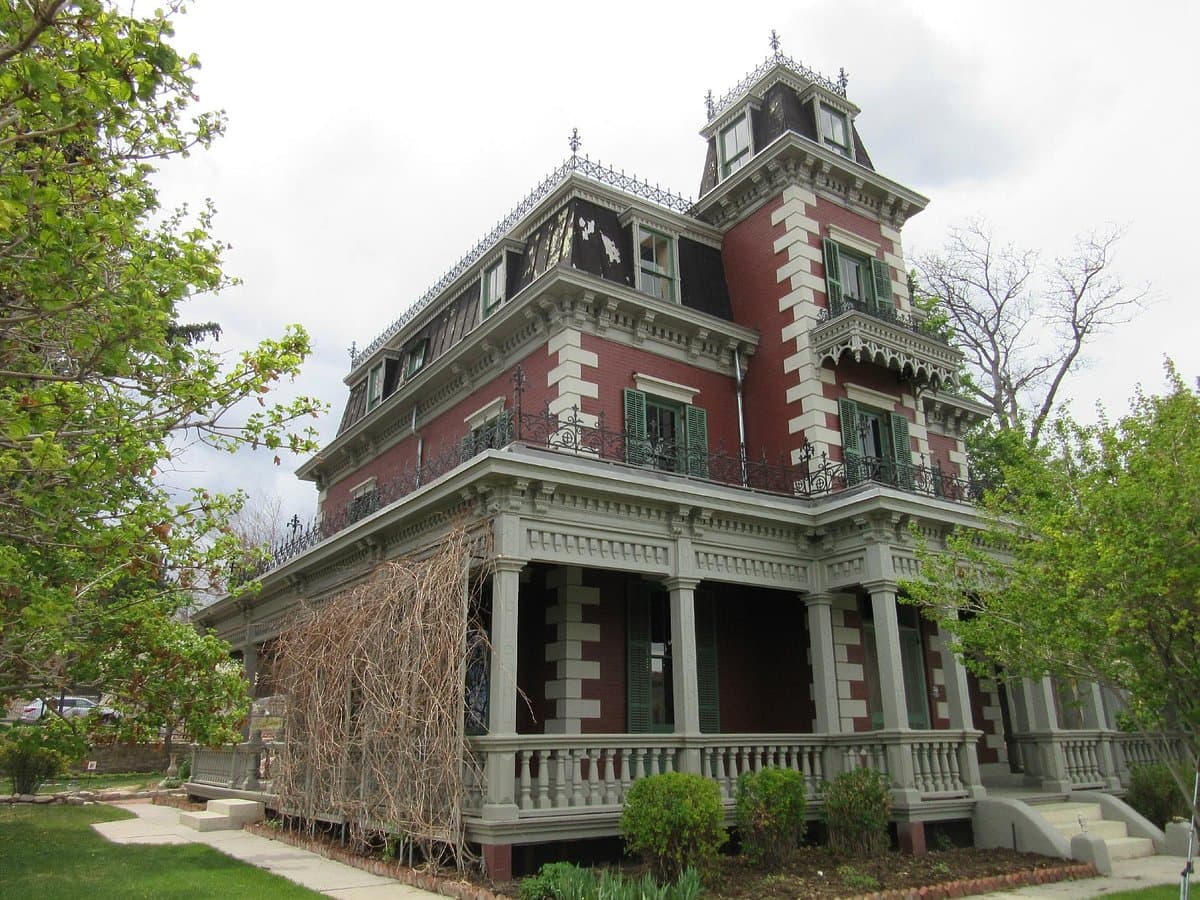
Oliver E. Aultman commissioned the Aultman House for his family in 1905, and the property at 711 Colorado Ave. in Trinidad was listed in the National Register of Historic Places on July 11, 2007. The listing recognizes Aultman under National Register Criterion B for art as a commercial photographer whose work documented southern Colorado from the 1890s to the 1950s.
How residents can use the archive now
Many Aultman images are available online through History Colorado’s collection database, and studio registers can be searched for the names of individuals and families who sat for and purchased photographs from 1890 to 1928. For people tracing a family line through Trinidad, that register can be as useful as the images themselves, because it ties names to faces and dates to the county’s social history.
History Colorado also makes reproductions available for personal use or publication, bringing the archive into family projects, classroom lessons and local histories.
A living exhibit in Trinidad
The archive’s public life continues at the Trinidad History Museum, which currently features Aultman Studio: Portraits of Trinidad. The exhibition pairs historic portraits with modern community portraits by artist Daryl Oh, creating a then-and-now display that places Aultman’s work beside Trinidad today.
This article was produced by Prism’s automated news system from verified source data, official records, and press releases, then run through automated quality and moderation checks before publishing. The system is built and supervised by the people who set the standards it runs under. Read our full AI policy.
Did this article answer your question?