Trinidad History Museum offers a one-stop tour of county history
At 312 E. Main, the Trinidad History Museum packs Las Animas County's frontier, trail, and labor history into one downtown block.
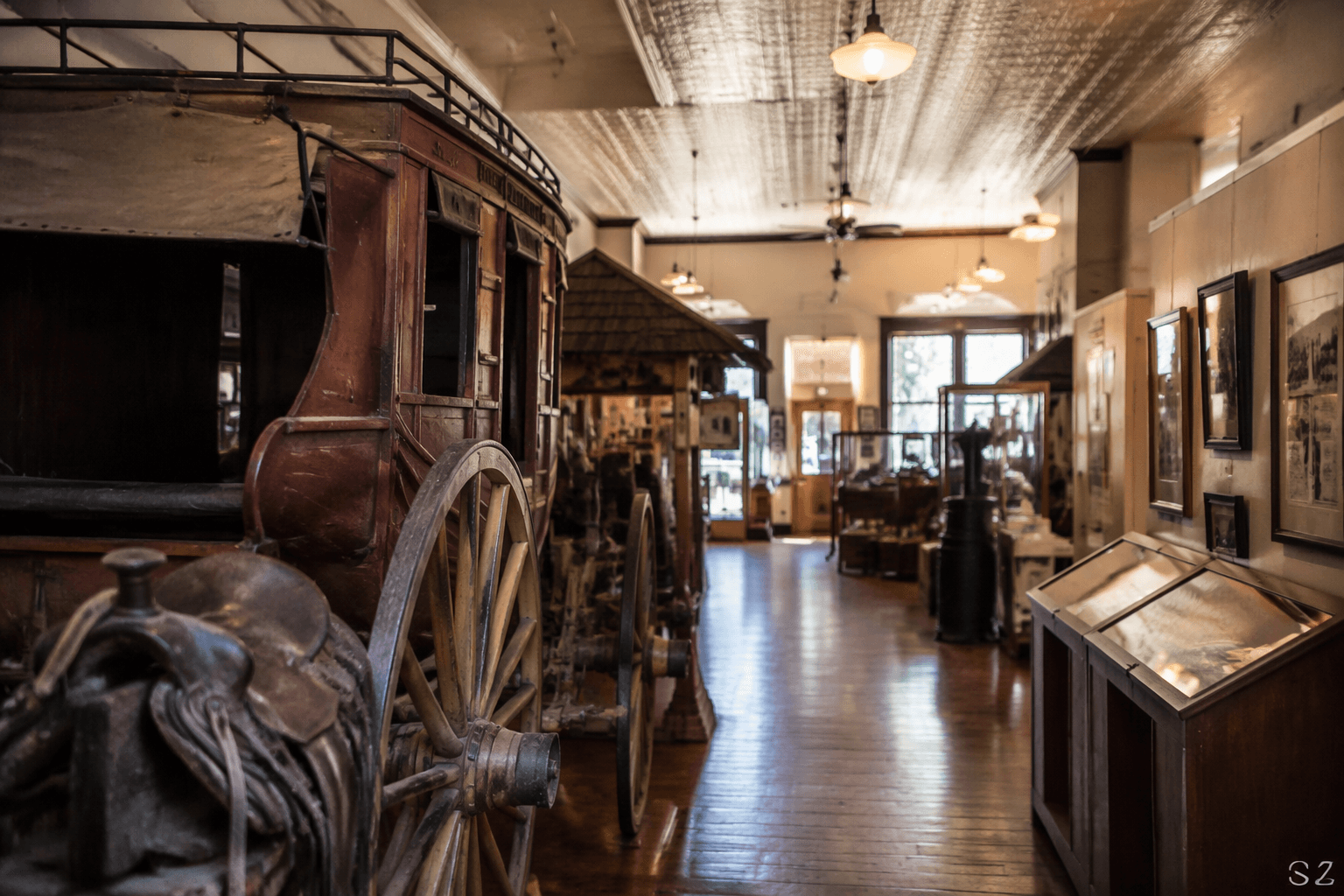
The Trinidad History Museum is the quickest way to read Las Animas County’s past in one place. Set at 312 E. Main on a full city block in the El Corazón de Trinidad Historic District, it brings together a trail museum, historic houses, and gardens in a compact downtown walk.
Why this block works as a county primer
What makes the museum useful is not just that it is old, but that it organizes Trinidad’s story into a sequence visitors can follow. Its interactive exhibits trace the city from the early settlers to the 1930s, which gives the place a clear arc from frontier outpost to established community. That arc matters in a county shaped by movement, settlement, trade, and labor, not by a single industry or era.
The museum also fits neatly into the wider story Visit Trinidad tells about the county. Trinidad’s history page places the city in a much larger landscape, where the stories range from dinosaurs to pioneering settlers and laboring coal miners. It also points visitors beyond the museum itself to downtown, Native rock art, and an extinct volcano, reinforcing that Las Animas County’s identity is built from layers that stretch far beyond a single attraction.
The Baca House tells the Hispanic and adobe story
The 1870s-era Baca House is one of the clearest entries into that layered history. Its adobe construction anchors the museum complex in regional building traditions and in the Hispano history that still shapes Trinidad and the surrounding county. The house gives the museum a domestic scale, showing what life looked like not just in public institutions or commercial buildings, but inside a family home.
That building has also required real stewardship. History Colorado published a May 28, 2019 story on repairing and renovating the historic Baca House, a reminder that preservation here is active work, not a passive display. The house is part of the museum’s interpretive value precisely because it survives as a physical record of how people lived, built, and adapted to this corner of southern Colorado.
Bloom Mansion captures Trinidad’s boom years
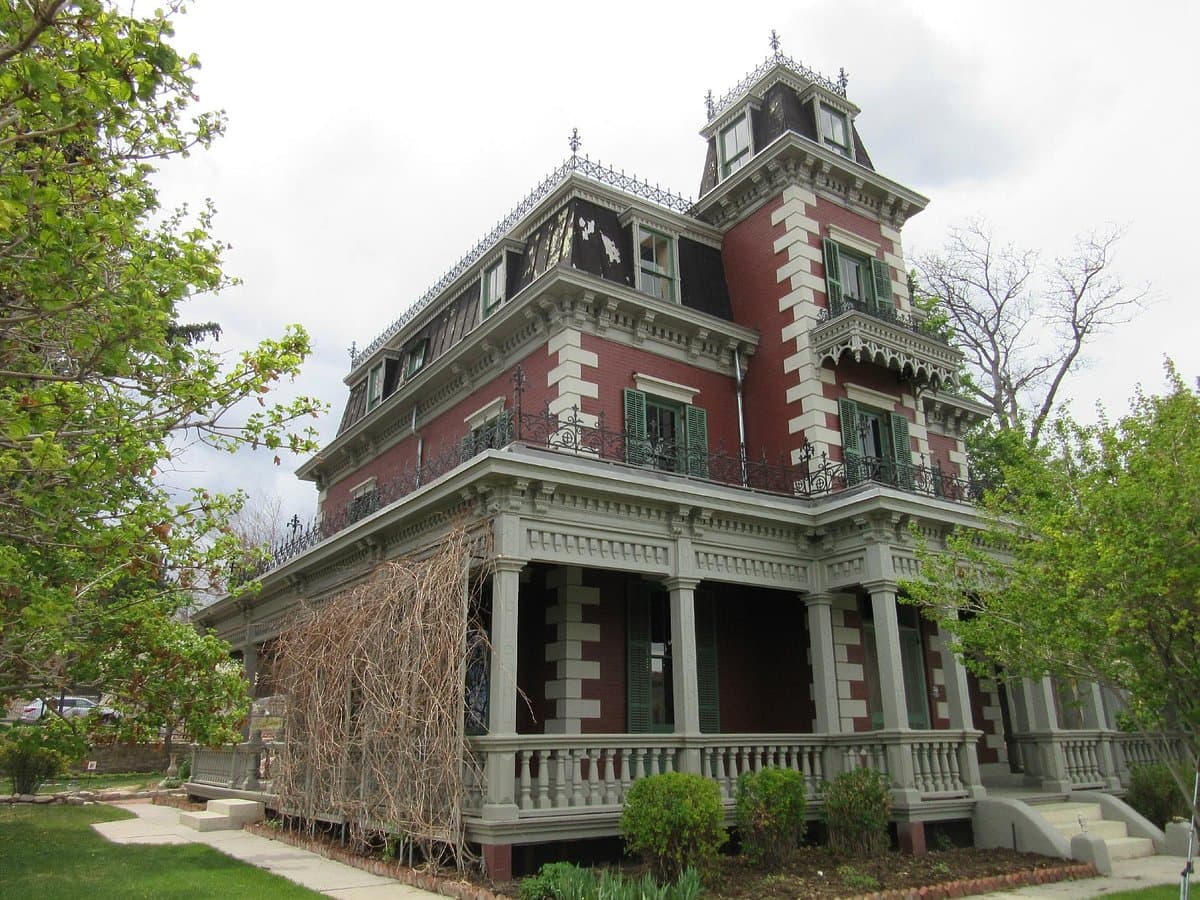
If the Baca House reflects older domestic and regional traditions, the 1882 Bloom Mansion signals a different Trinidad. Its Victorian style points to the town’s late-19th-century prosperity, when Trinidad was becoming more commercial, more connected, and more self-assured. In practical terms, the mansion helps explain why downtown Trinidad has the architectural presence it does today.
Seen alongside the Baca House, the Bloom Mansion makes the museum complex feel like a conversation between eras. One building speaks in adobe, the other in Victorian formality, and together they show how quickly Trinidad’s built environment changed as the town grew. For newcomers trying to understand why the county’s history feels both frontier and urban, that contrast is one of the strongest lessons on the block.
The Santa Fe Trail Museum links Trinidad to the wider region
The Santa Fe Trail Museum is the piece that pulls Trinidad out of a purely local frame. It ties the city to the broader networks of travel, trade, and migration that made the area more than a stop at the edge of the map. That context matters in Las Animas County, where geography has long made Trinidad a crossroads for settlers, merchants, and travelers.
The trail museum helps explain why the county’s history keeps returning to movement: people arriving, goods moving, ideas spreading, and the town adapting to all of it. Even without leaving the block, visitors get a sense of Trinidad as a place where routes mattered as much as roots. That is one reason the museum works so well as a first stop for anyone trying to understand how the county fits into the broader history of southern Colorado.
The gardens and changing exhibits show a museum that still interprets the present
The Baca-Bloom Heritage Gardens give the complex a quieter counterpoint, but they are part of the same interpretive package. They help turn the site into a full visit rather than a quick walkthrough, and they soften the transition between the historic houses and the broader downtown around them. In a city where heritage tourism can easily drift into surface-level nostalgia, the gardens help make the complex feel lived-in and connected to place.
History Colorado’s programming shows that the museum is not frozen in one version of the past. The agency opened a baseball exhibit there on June 25, 2018, then opened Borderlands of Southern Colorado on Sept. 9, 2021. It later announced a new director for the museum on Aug. 15, 2024, and followed that with a March 25, 2025 art installation exploring racialized labor. Those dates show a museum that keeps revisiting the county’s identity through different lenses, from recreation to borderlands culture to hard questions about work.
That evolving programming matters because Las Animas County’s identity has never been simple. The county’s story includes settlers, coal miners, and the borderlands setting that shaped daily life, employment, and community ties. The museum’s exhibits do not replace that complexity with a neat narrative; they give it structure.
What to know before you go
History Colorado lists Trinidad History Museum as part of its museum system and says admission is free for kids. That makes the site especially practical for families, school groups, and anyone who wants an affordable way to start a day in downtown Trinidad. Because the museum sits on 312 E. Main in the El Corazón de Trinidad Historic District, it also fits naturally into a walk through the center of town.
The clearest way to use the museum is as a map, not just an attraction. Start with the Baca House for adobe and Hispano history, move to the Bloom Mansion for the town’s Victorian boom years, use the Santa Fe Trail Museum to understand Trinidad’s regional reach, and finish in the gardens or the exhibits that stretch the story toward the 1930s. By the time you step back onto Main Street, Las Animas County’s past is no longer abstract. It is built into the block, the buildings, and the arguments about place that still define the county today.
This article was produced by Prism’s automated news system from verified source data, official records, and press releases, then run through automated quality and moderation checks before publishing. The system is built and supervised by the people who set the standards it runs under. Read our full AI policy.
Did this article answer your question?