Las Animas County photo shows worsening drought, hay output cut in half
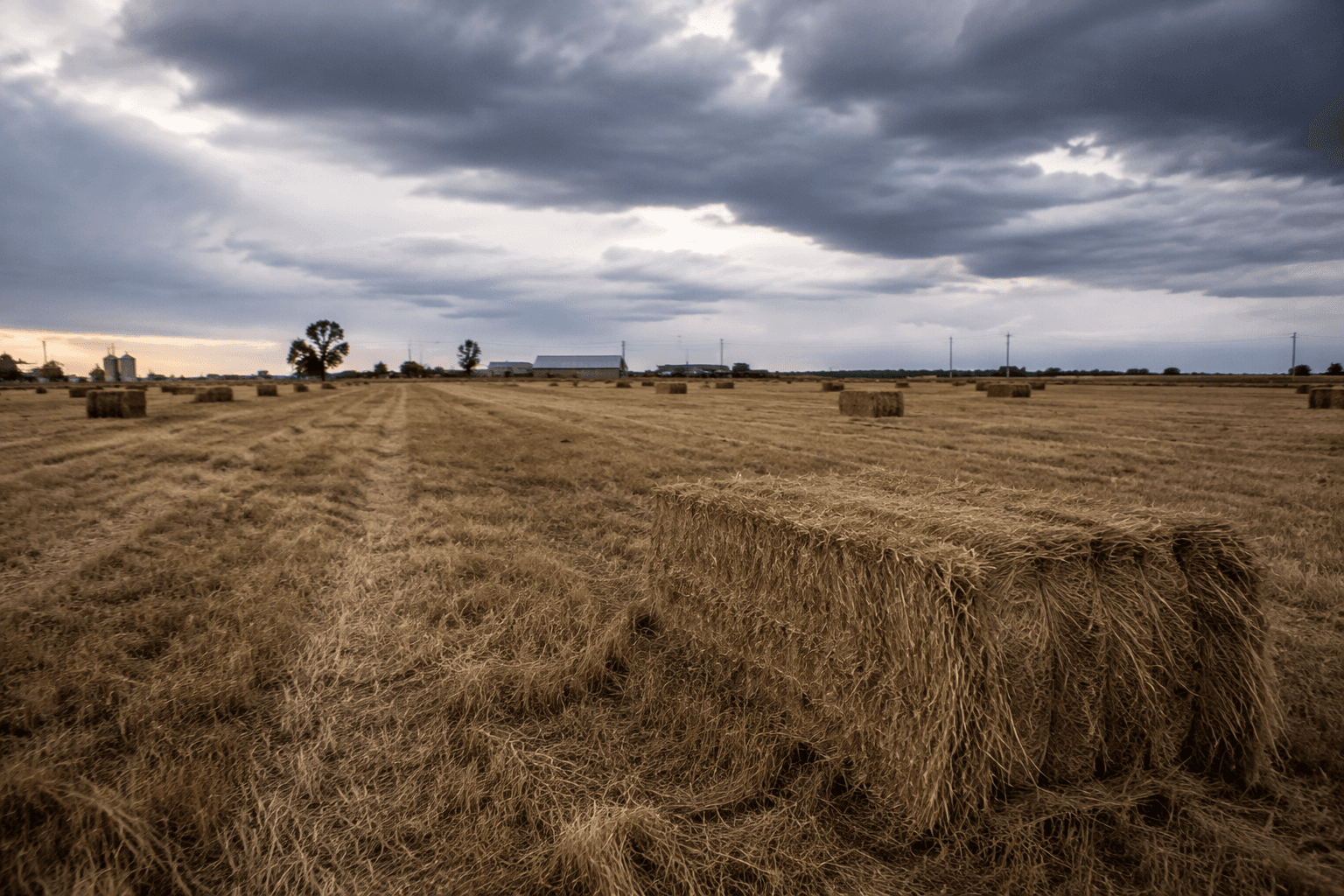
A Las Animas County CMOR photo showed hay output cut to half of normal after 30-plus days near 100 degrees and no irrigation water.
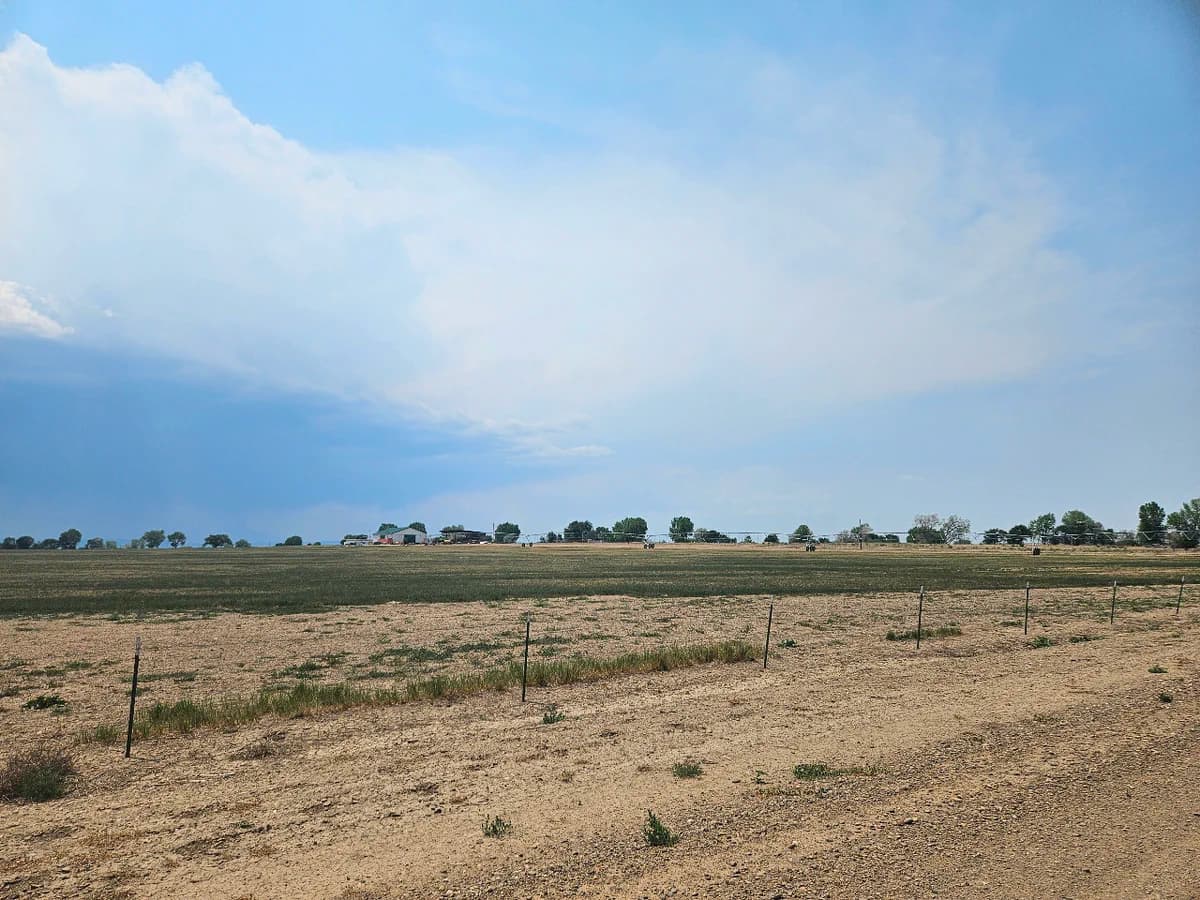
A National Drought Mitigation Center photo from Las Animas County on July 16 showed a dry field, no irrigation water and hay harvested at about half of normal production. The image matters because those conditions feed directly into county decisions on fire risk, ranch operations and whether local officials need to tighten water planning or seek help before the season gets worse.
The conditions in the photo were not isolated. The CMOR text said temperatures had been running around 90 to near 100 degrees for more than 30 days and that only about 3 inches of precipitation had fallen since September. In a county where hay output is already down by half, that kind of heat and moisture loss translates into thinner feed supplies, higher pressure on producers’ margins and more strain on already limited water.
Colorado’s official drought map still showed the problem spreading. The U.S. Drought Monitor map released July 16, using data valid July 14, showed drought continuing across the state, and Las Animas County drought history showed moderate drought to severe drought conditions around June 16. For county commissioners, emergency planners and ranchers, the question is how much the map captures and whether field conditions are moving faster than the official classifications.
State government has already moved deeper into response mode. On March 17, Governor Jared Polis activated Phase 2 of Colorado’s State Drought Response Plan and formally launched the director-level Drought Task Force. That task force met April 10, May 7 and June 1, as state officials pushed drought planning into a more active phase.
The Colorado Department of Agriculture has said the state is facing a significantly dry year amid record-breaking warmth and low snowpack, and it says it is working to connect producers with drought resources. The National Drought Mitigation Center also treats CMOR submissions as part of a permanent public record, with reports posted immediately on an interactive map, giving Las Animas County residents a way to document the local impact as dry fields, lost hay and empty irrigation supplies pile up.
This article was produced by Prism’s automated news system from verified source data, official records, and press releases, then run through automated quality and moderation checks before publishing. The system is built and supervised by the people who set the standards it runs under. Read our full AI policy.
Did this article answer your question?