Las Animas County traces roots to Spanish river name, Trinidad seat
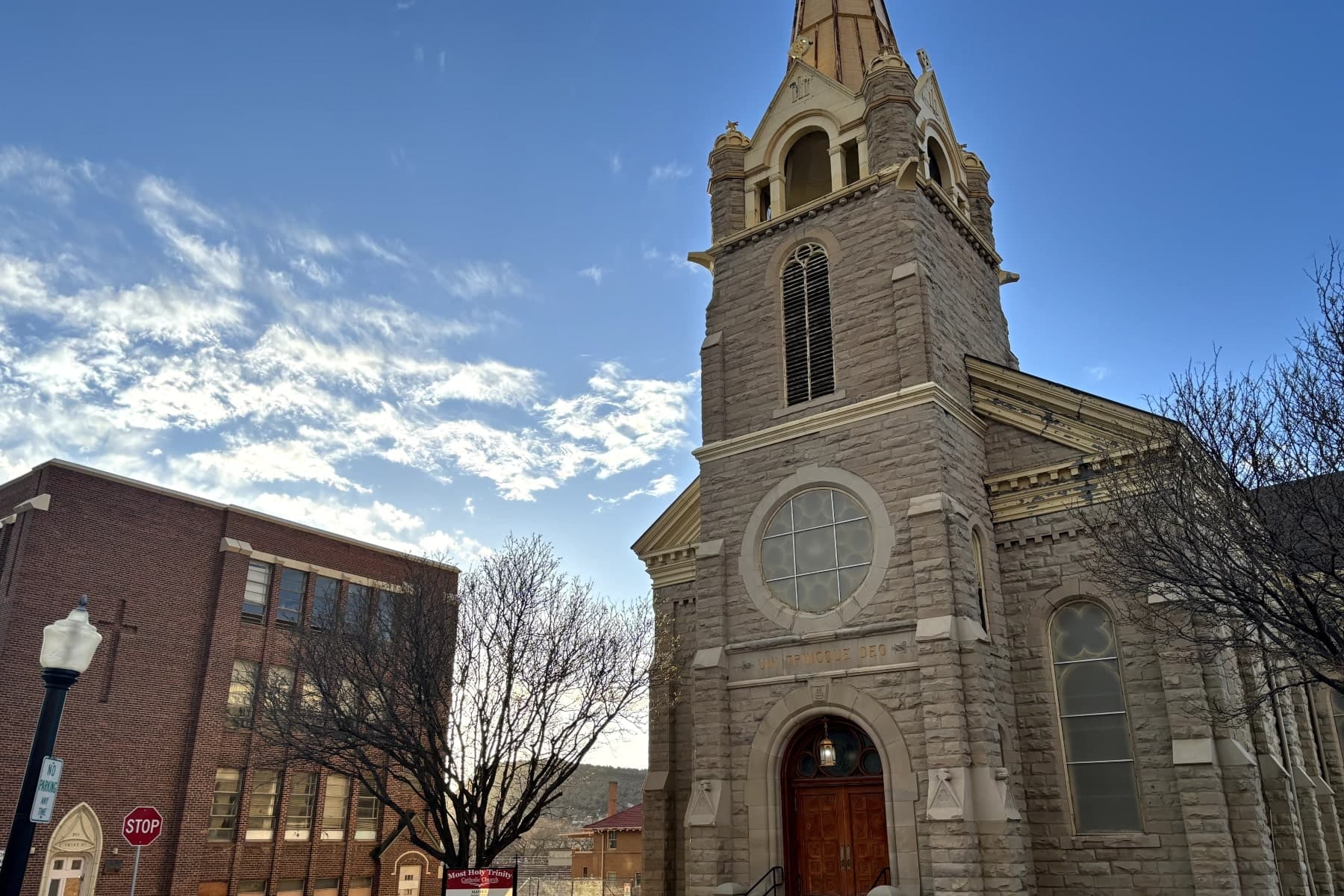
Trinidad became Las Animas County’s seat in 1866, and that choice still funnels records, services and civic power into one town. The county’s Spanish river name still anchors identity across a vast, sparsely settled landscape.
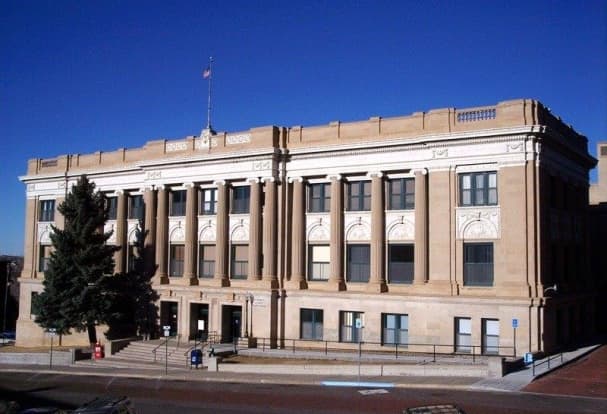
Trindad became Las Animas County’s seat when the county was created on Feb. 9, 1866, and that choice still funnels records, services and civic power into one town. In a county that stretches across about 4,775 square miles in southern Colorado, east of the Sangre de Cristo Mountains, the location of the courthouse matters. It still shapes where residents go for land files, county business and the institutions that give the county its public face.
Why Trinidad became the center
Trinidad’s role is not a side note to county history; it is the organizing fact that ties the rest of the county together. A 1929 Colorado Magazine article described Trinidad, the county seat of Las Animas County, as a modern city of about 15,000 inhabitants and one of the oldest settlements within Colorado. The U.S. Census Bureau later counted 8,329 people in Trinidad in the 2020 census, showing that the city remains the county’s principal municipal center even as the county itself has spread across a far larger area.
That concentration matters in everyday county life. Land records, court business, and civic decisions point back to Trinidad even when the issue begins in a smaller place elsewhere in the county. For communities such as Aguilar, Hoehne, Model, Starkville and Cokedale, Trinidad is not simply a town on the map. It is the place where county power is physically centered.
What Las Animas means
The county’s name reaches back to the Purgatoire River and the Spanish phrase El Río de las Ánimas Perdidas en Purgatorio. FamilySearch traces Las Animas County’s name to that river name, which gives the county a direct link to the Spanish-language and territorial past of southern Colorado. The name is distinctive, but it is also practical history, because it points to the corridor that guided travel, settlement and farming for generations.
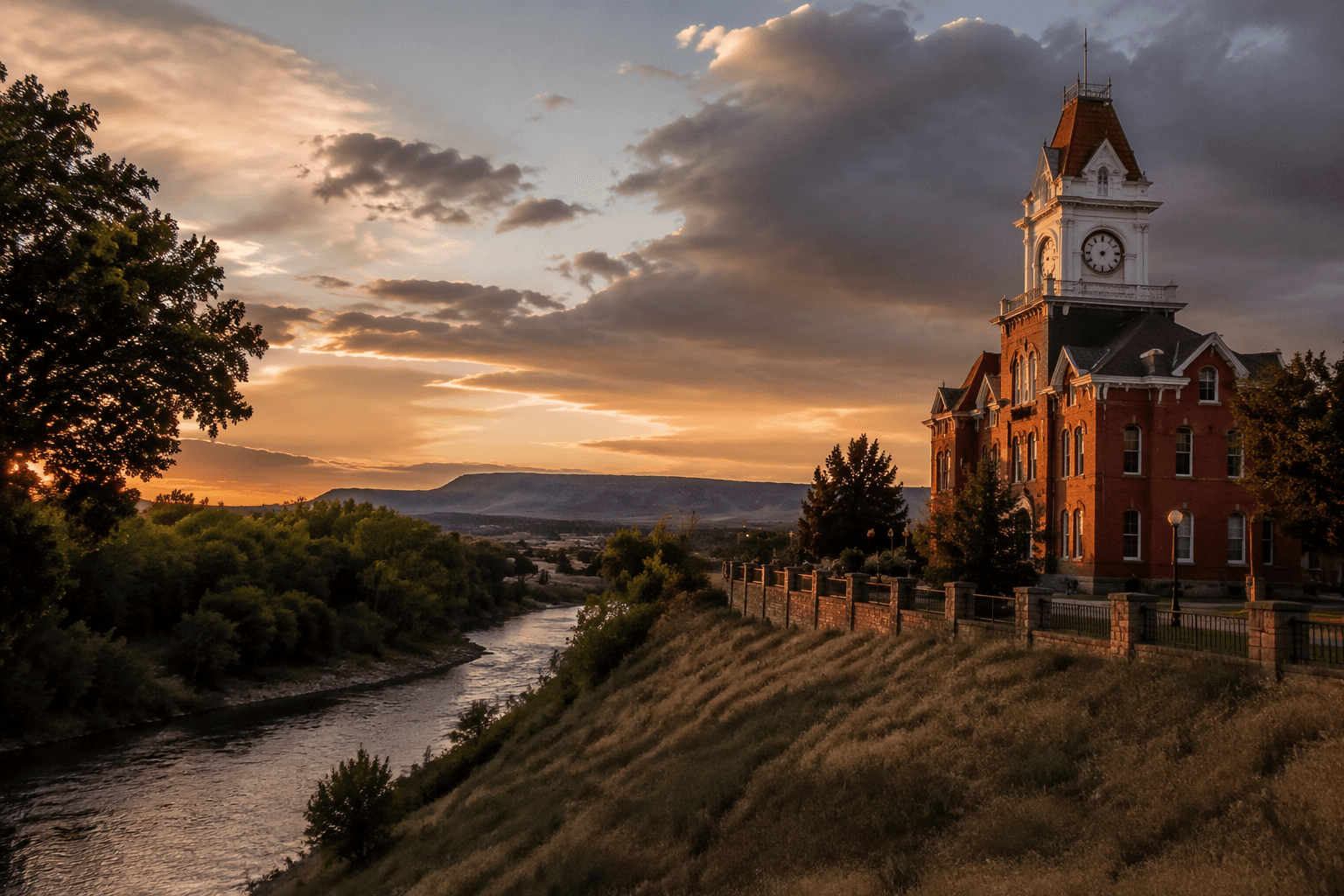
History Colorado’s Colorado Encyclopedia places Las Animas County among Colorado’s largest counties, with 4,775 square miles in the southern part of the state. The county sits east of the Sangre de Cristo Mountains, a location that helps explain why river valleys and transportation routes carried so much weight in early settlement. Las Animas County was originally part of a larger territorial configuration before it was established in 1866, which means its present-day boundaries were shaped while the region was still being organized as territory rather than state.
A county shaped by distance
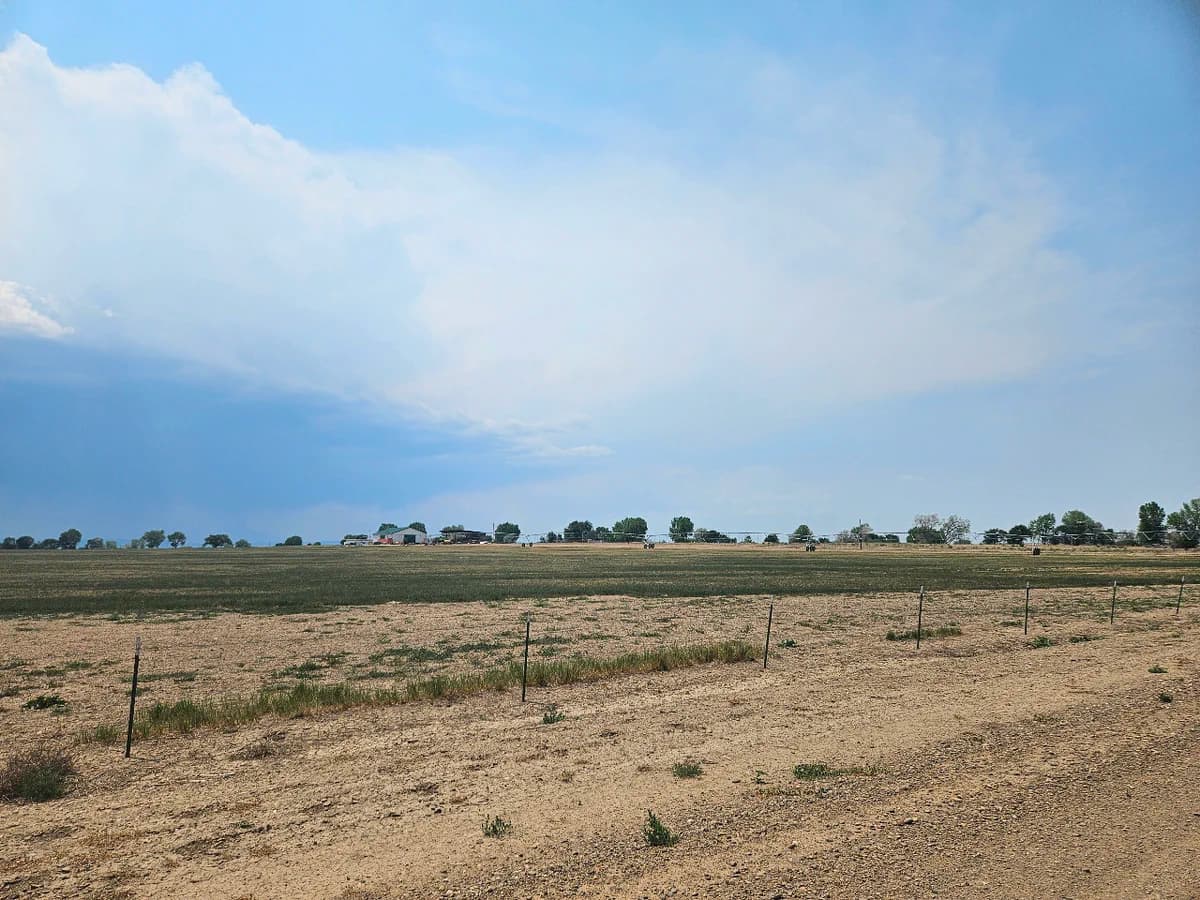
Recent demographic sources put Las Animas County at about 14,400 people spread across 4,772.9 square miles. That works out to roughly 3 people per square mile, a density that makes the county one of the most lightly populated parts of Colorado. In that setting, centralization in Trinidad can feel efficient from a government standpoint, but it also means long distances for people living outside the city.
The county’s scale helps explain why its early settlement pattern followed the river corridor and transportation routes rather than filling the landscape evenly. The Purgatoire River runs 196 miles through southeastern Colorado, and its path has long helped define where people lived, moved and worked. When the county was being formed, that waterway and the routes tied to it mattered more than a neat geometric idea of equal access.
Why the river name still sparks debate
The river’s name carries more than one layer of history. A 2000 Colorado Chieftain account said Las Animas County commissioners were considering whether to officially rename the Purgatoire River using its original Spanish name, after Mitch Medina asked them to designate the river by that name. The same account noted that Purgatoire was a French-origin spelling from the Santa Fe Trail era and that Picketwire is a local nickname.
That debate shows why the county’s naming story is not just linguistic trivia. It reflects overlapping Spanish, French and Anglo-American presence in the same landscape, and it shows how local names can carry political as well as cultural meaning. For a county that still organizes itself around Trinidad and the river corridor, the river’s name remains part of how people understand where they live and who gets to define it.
What the original structure means now
Las Animas County’s original structure still works unevenly across the county. Trinidad’s population and administrative role make it the natural center for county business, but the county’s size and thin population mean that outlying communities may experience government as something they travel to, not something that meets them where they are. That is the practical test of a seat chosen in the territorial era: whether one town can still carry the weight of a county this large without pushing everyone else to the margins.
The answer sits in the geography as much as in the history. Trinidad remains the county seat, the river name still ties the county to its Spanish past, and the wide spread of communities from Aguilar to Cokedale still depends on a system built around a single center. That original arrangement continues to define Las Animas County’s public life, and it will keep shaping representation, access and identity as long as the county spans nearly 4,775 square miles and only a few thousand people per square mile.
This article was produced by Prism’s automated news system from verified source data, official records, and press releases, then run through automated quality and moderation checks before publishing. The system is built and supervised by the people who set the standards it runs under. Read our full AI policy.
Did this article answer your question?