Las Animas County Ranchers Brace for Volatile Cattle Market Swings
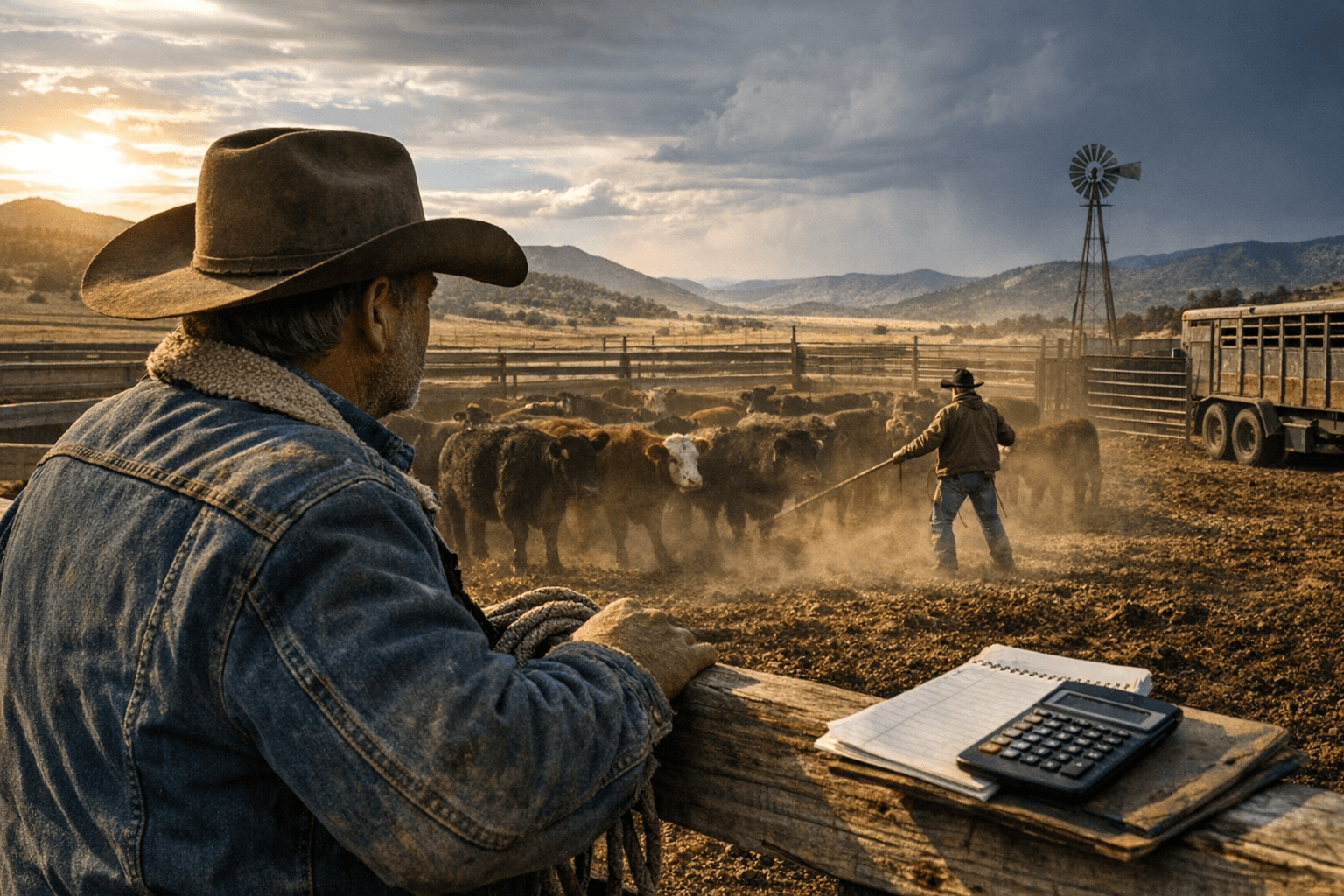
Feeder cattle prices near $365 per hundredweight swung more than $13 in a single early-spring stretch, forcing Las Animas County ranchers into some of the toughest marketing calls in recent memory.
The numbers arrived fast and without much warning. The CME Feeder Cattle Index stood at $364.55 on April 3, but that headline figure masked a brutal stretch in late February and early March when April feeder cattle contracts shed more than $13 per hundredweight in a matter of days. Spread across a pen of 700-pound calves, that kind of move strips close to $100 per head off anticipated revenue, a hit that can define the margin between a profitable year and a loss for the kind of thin-margin, family-scale cow-calf operations that anchor Las Animas County's agricultural economy.
Market analysts tracking the cattle complex warned ranchers across southeast Colorado that the swings are not random. Livestock economists pointed to elevated price levels as a compounding factor. "Feeder cattle prices are elevated, so even normal movement can feel exaggerated," one analyst said, urging producers to watch nearby contract activity closely and to reach for short-term risk-management tools rather than waiting for calm. Three distinct forces were identified as immediate drivers: global geopolitical tensions disrupting trade flows, weather uncertainty stoking drought concerns across the southern plains, and logistics pressures including supply chain disruptions at Colorado processing facilities that temporarily broke the link between feedlots and beef production.
For ranchers across Las Animas County, where remote grazing land runs roughly $1,400 per acre and operating margins are narrow in a good year, the timing of a sale carries weight that city-based commodity traders rarely feel. Most operations here move calves and feeder cattle through regional auctions or direct sales, meaning a poorly timed transaction during a multi-week price slide can erase months of careful pasture management. The pressure extends well beyond any single pen of cattle: sudden price drops reshape decisions about retaining yearlings versus moving them, alter the economics of hay purchases and grazing leases, and can strain the relationship between ranch cash flow and agricultural credit lines at local lenders.
Drought adds another layer of uncertainty. Dry conditions across Colorado are already threatening hay production, with ranchers statewide expecting tighter feed supplies as summer approaches. For Las Animas County operations already watching input costs, higher hay prices arriving alongside flat or falling cattle prices would compress margins from both directions at once.
One feature of the current market offers a measure of structural reassurance. Deferred futures contracts have remained relatively stable compared to the volatility in nearby months, which signals that traders are pricing the most acute risk into the short term rather than projecting it forward. For a rancher weighing whether to sell calves now or hold them on pasture through early summer, that divergence matters: the next 60 days carry the sharpest price exposure of the marketing year. County Extension agents and agricultural lenders urged producers last week to consult Livestock Risk Protection insurance, explore futures or options strategies where appropriate, and look at cooperative marketing arrangements that can reduce individual vulnerability to daily price swings.
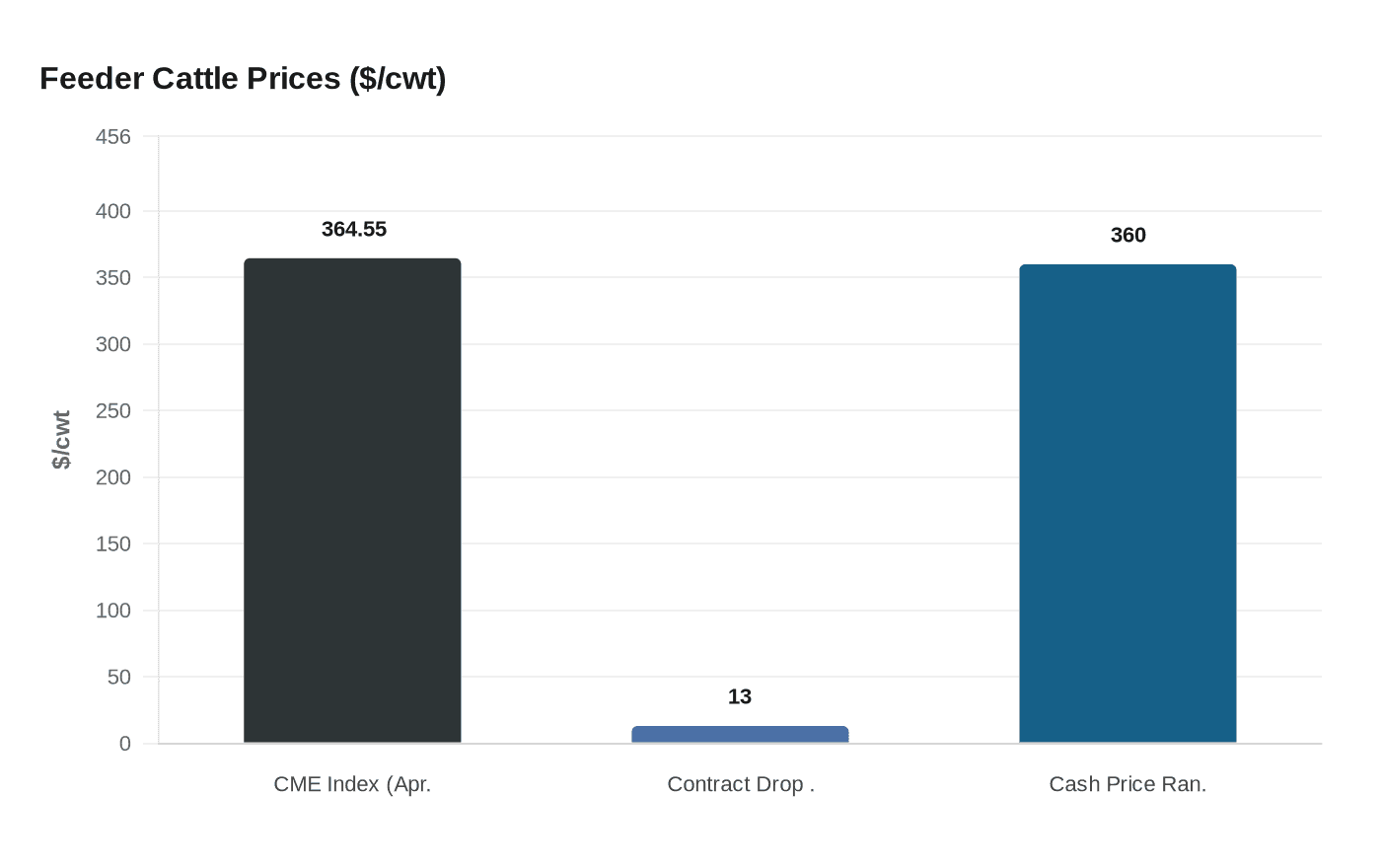
The next hard data point arrives April 17, when USDA releases its Cattle on Feed report, a closely watched monthly snapshot of feedlot inventories that routinely moves nearby futures on release day. Regional auction results in the two weeks following will test whether cash prices hold near the $360 range or give ground. And with drought signals persisting across Las Animas County, spring precipitation over the next month will determine how many ranchers turn cattle back onto pasture and how many move animals to market while prices remain at historically high absolute levels. County Extension offices remain the first call for producers who want individualized help running those numbers before the window closes.
This article was produced by Prism’s automated news system from verified source data, official records, and press releases, then run through automated quality and moderation checks before publishing. The system is built and supervised by the people who set the standards it runs under. Read our full AI policy.
Did this article answer your question?