Trinidad coal miners memorial preserves Las Animas County labor history
Trinidad’s coal miners memorial keeps labor history in the open, with art, names, and the canary warning tale woven into downtown life.
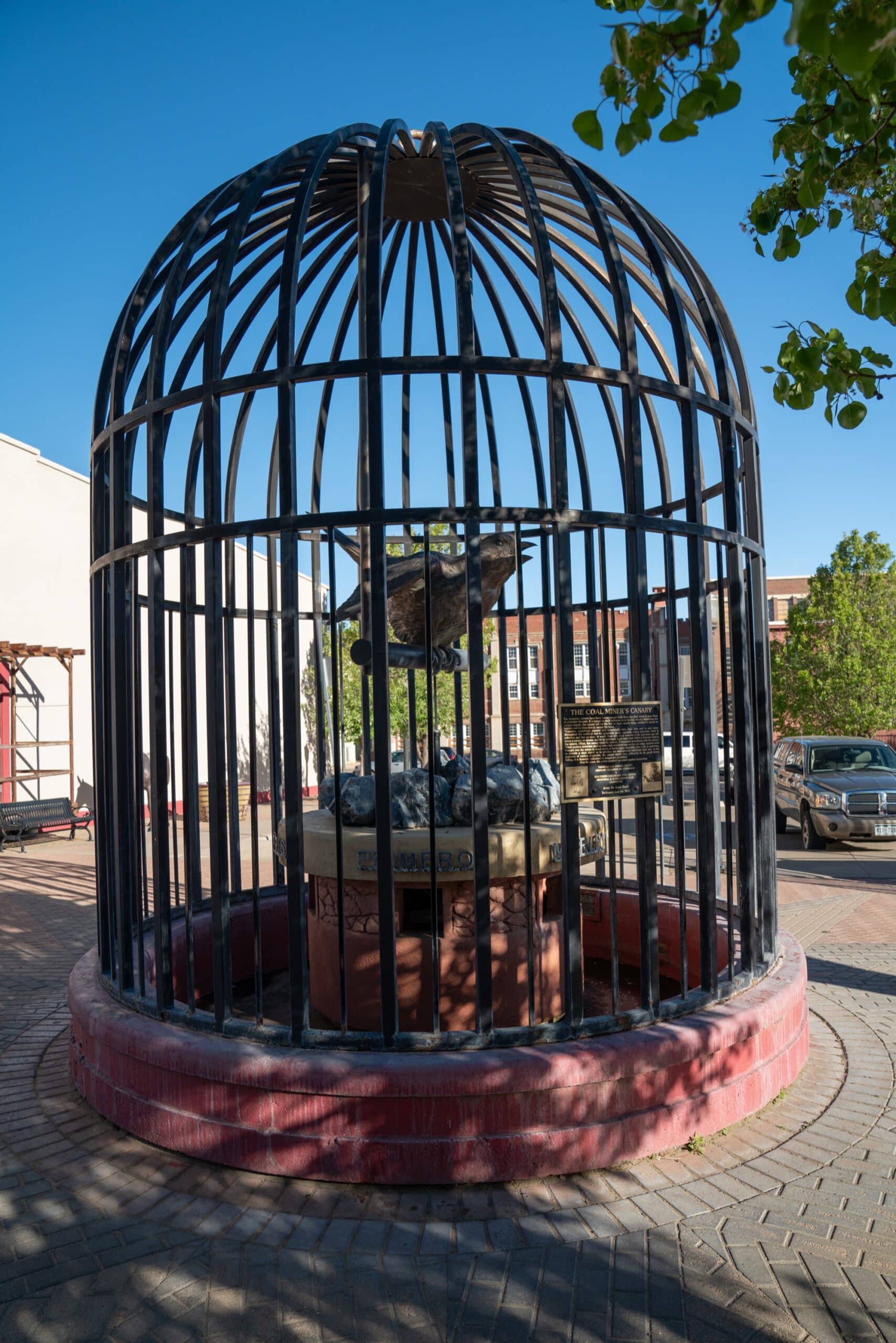
In downtown Trinidad, the Southern Colorado Coal Miners Memorial & Museum keeps labor history in public view through sculpture, names, and art rather than a display case. At 219 West Main Street, the site turns the Southern Colorado coalfields into something residents can walk past, read, and teach from, while still tying the county’s past to children’s programming, seminars, and events throughout the year.
A memorial built into everyday Trinidad
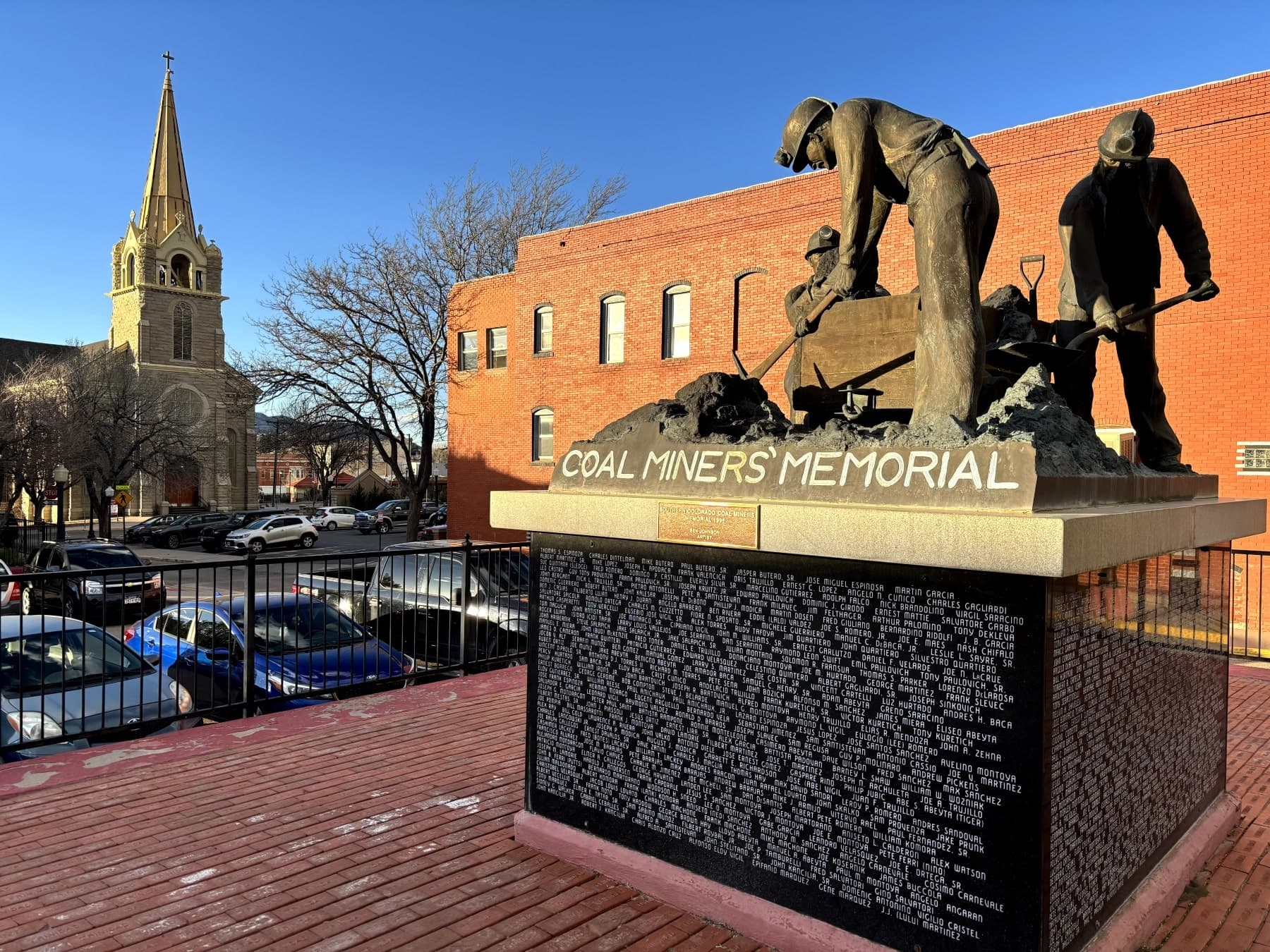
The memorial at West Main Street and North Convent Street was erected in 1996, and the historical marker identifies Ben Johnson as the artist. It was put up by the Trinidad-Las Animas County Hispanic Chamber of Commerce Coal Miners Memorial Committee, a detail that matters because it shows this was a community-led act of remembrance, not just a downtown beautification project.
That civic origin gives the site a different weight. The memorial sits inside historic downtown Trinidad, where it works alongside the museum itself and the larger network of places that interpret local history for visitors and residents. Colorado Museums lists the museum at 219 West Main St., reinforcing how firmly the site is anchored in the town’s everyday geography.
What the sculptures say without words
The memorial’s two sculptures do much of the storytelling. One by Ben Johnson shows laboring coal miners, while black granite slabs list hundreds of miners’ names. The second sculpture is a canary, a direct reminder of the birds miners used to warn of bad air and cave-ins because they reacted quickly to low oxygen and poisonous gas.
That pairing turns the monument into a compact lesson in coalfield life. Visit Trinidad says the sculptures honor generations of miners who worked in the region from 1860 until 1947, and the setting makes clear that the men remembered here were part of a long industrial era rather than a single tragic moment. The names on the slabs make the history personal, while the figure of the canary connects local memory to the daily danger that defined the mines.
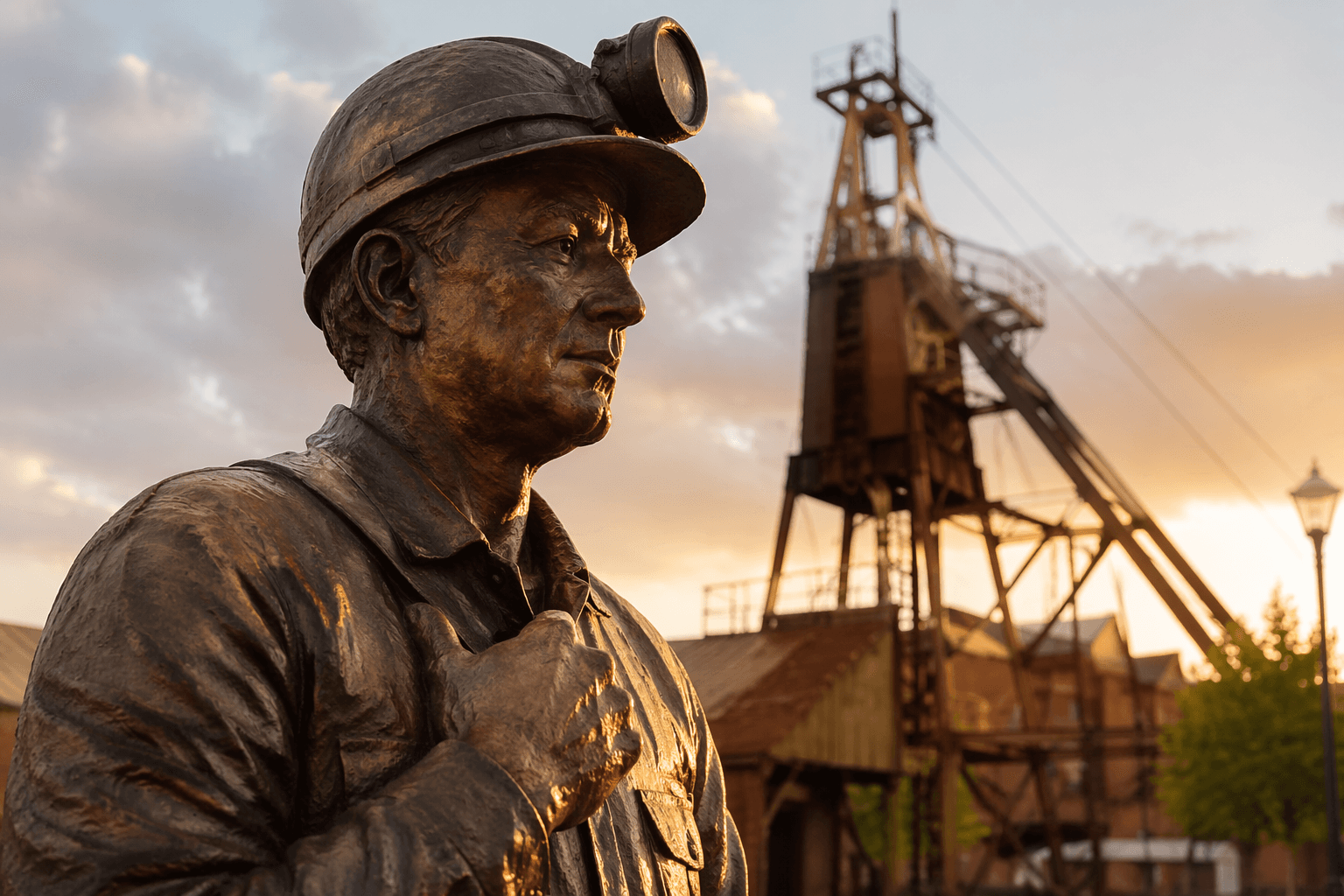
The memorial also reflects the way miners were paid. Visit Trinidad notes that many were compensated by the poundage of coal extracted rather than by the hour, a system that pushed workers toward riskier shortcuts. Tasks such as tunneling or laying track counted as “dead time,” which helps explain why the work was not only hard but structurally dangerous.
Why the canary still matters
The canary sculpture carries one of the most durable symbols in mining history. John Scott Haldane proposed using animals as mine gas detectors in 1895, canaries were used in mines as early as 1896, and Britain officially outlawed the practice in 1986. The bird became a warning device because a canary’s collapse could alert miners to poisonous gas, especially carbon monoxide, before the danger reached the workers themselves.
In Trinidad, that symbolism lands in a local setting instead of a textbook. The canary is not just a historical curiosity; it is a reminder that early warning and hidden danger were built into the job, and that safety often depended on fragile, living systems. The sculpture gives younger visitors a visible entry point into a subject that might otherwise feel distant, while older residents can read it as part of a longer labor memory tied to family and place.
The coalfield violence behind the memorial
The memorial makes more sense when set against the scale of danger in the Colorado coalfields. History Colorado says the fatality rate in the state’s coalfields was roughly double the national average from 1884 to 1912, and that more than 200 men died in 1910. Those deaths helped set the stage for the Great Colorado Coalfield War, which History Colorado describes as the most violent labor conflict in U.S. history.
The University of Denver’s Ludlow materials add another measure of the toll: 1,708 miners were killed in Colorado mines, with fatality rates more than twice the national average. Those numbers explain why a memorial in Las Animas County is more than symbolic decoration. It marks a workplace history that was repeatedly lethal and a labor conflict that shaped the state’s public memory.
Ludlow remains part of the county story
The museum’s large-scale painting collection remembering the Ludlow Massacre places the memorial within a broader county landscape of remembrance. History Colorado says the United Mine Workers of America built the Ludlow monument in 1918 to honor victims of the 1914 massacre at the tent colony site in Ludlow, Colorado. That date matters because it shows the act of remembrance began almost immediately after the violence, not generations later.
The Ludlow connection also keeps Trinidad from being read as an isolated heritage stop. The memorial and museum belong to the same regional story as the Ludlow site itself, which means visitors moving through Las Animas County are moving through a connected geography of labor, conflict, and commemoration. The paintings, monument, and museum all point back to the same violent rupture in Colorado’s industrial history.
A place that still functions as a civic institution
The Southern Colorado Coal Miners Memorial & Museum is not static. Visit Trinidad says it offers children’s programming, seminars, and events throughout the year, which keeps the site active as a public institution rather than freezing it as a one-time tribute. That programming matters in a county where labor history is not abstract background but part of local identity, family memory, and downtown culture.
The site’s value is in how it blends history and art. A visitor can stand before the miners’ names, read the story of the canary, look at the large-scale Ludlow paintings, and then step back into Trinidad’s downtown streets. In a county that still carries the imprint of coal, the memorial preserves memory by putting it where people actually live, walk, and learn.
This article was produced by Prism’s automated news system from verified source data, official records, and press releases, then run through automated quality and moderation checks before publishing. The system is built and supervised by the people who set the standards it runs under. Read our full AI policy.
Did this article answer your question?