Bryan Dermer dedication helps keep Merino High School strong
Bryan Dermer’s steady work shows how one person can keep a small school running, supporting students and filling gaps larger districts spread across several staff.
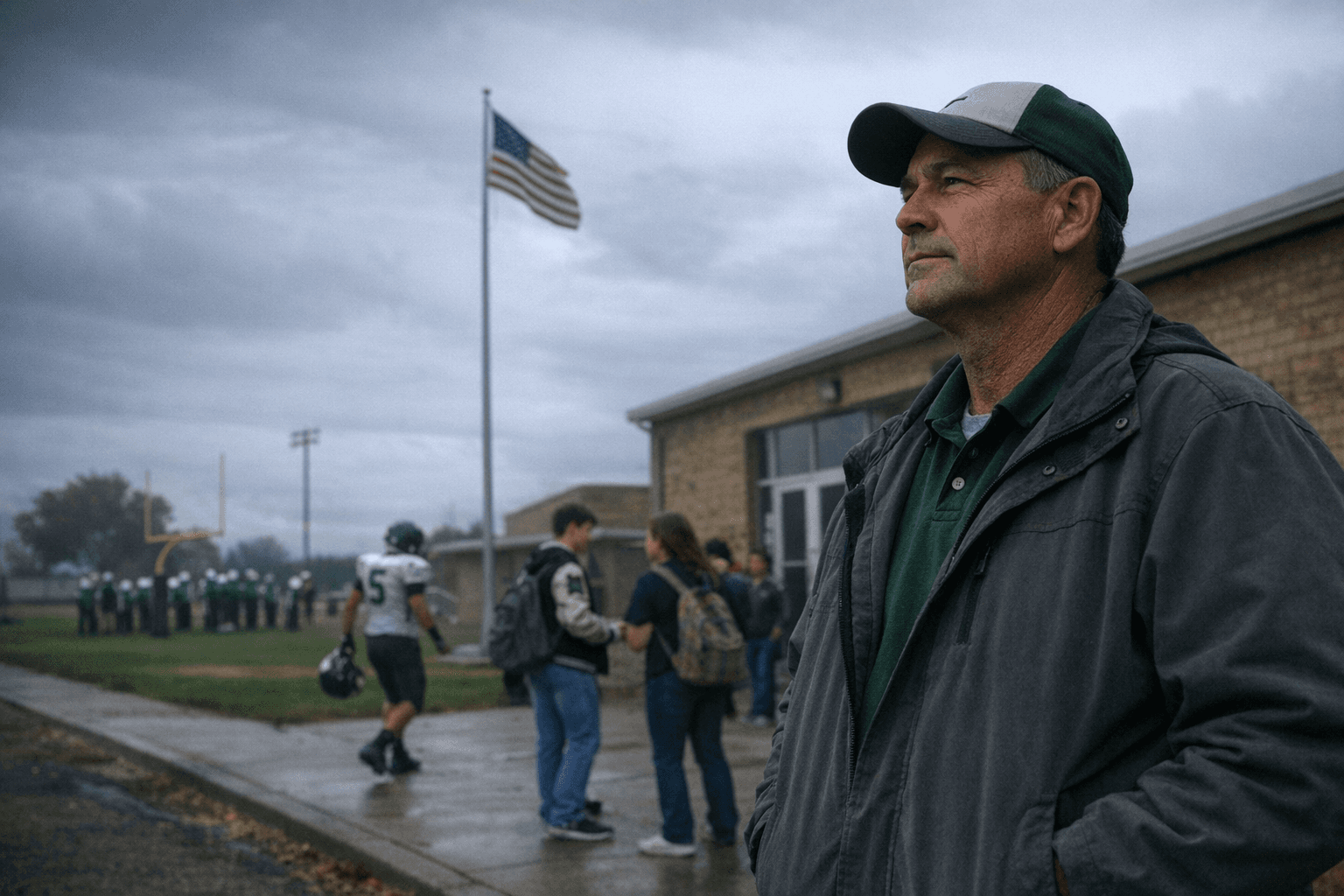
Bryan Dermer’s work shows what keeps Merino High School steady
Bryan Dermer’s Crystal Apple recognition is less about one feel-good honor than it is about how a small school stays whole. In Merino, dedication is not a decorative quality, it is part of the operating system, and Dermer’s example makes that plain. His value comes through in the daily work that helps students, staff, and the school community function with consistency.
Why one person matters so much in a small school
Merino High School does not have the cushion that larger districts often take for granted. In a bigger system, the work tied to student support, supervision, relationship-building, and school culture is usually divided among several people. In a smaller place, one committed employee often ends up carrying pieces of all of it, whether in the classroom, on the sidelines, behind the scenes, or in another support role.
That is the larger story behind Dermer’s recognition. The headline framing around his dedication points to a school that is stronger because one person keeps showing up and helping the building run with less friction. In a district like Merino, reliability is not a minor virtue. It is what helps students experience a stable day from the first bell to the last.
The work students actually feel
The most important part of a profile like this is not the praise itself, but the effect on students. A teacher, coach, aide, or staff member who is present, attentive, and invested changes the tone of the whole school. Students notice when an adult knows their names, remembers what matters to them, and treats them as people first.
That kind of presence matters even more in a small-school setting, where the same adult may see students in multiple settings and over multiple years. The daily impact is practical as well as emotional. It can mean smoother transitions, fewer gaps in support, and a stronger sense that the school knows who its students are and what they need.
What larger districts spread across many jobs
The Merino profile also says something bigger about rural education. In larger districts, the tasks that keep a school running are often divided across separate roles and departments. A small high school usually does not have that luxury. Instead, it depends on people who are willing to take on multiple responsibilities and do them consistently, often without much public attention.
That reality helps explain why profiles like Dermer’s resonate so strongly in Logan County. They are not simply praising hard work. They are documenting the kind of institutional memory that keeps a school from feeling fragile. When one person helps hold together routines, expectations, and relationships, the whole district benefits from the stability that follows.
A school culture built on daily reliability
The Crystal Apple profile also reflects how school culture is actually built. It is not only shaped by awards, test scores, or big events. It is built in the repeated choices that create trust: showing up on time, helping where needed, caring about students personally, and taking ownership of the work even when no one is watching.
That steady commitment can improve morale across a school. Staff members feel the difference when someone around them is dependable. Students feel it too, because consistency reduces uncertainty and helps the school feel coherent rather than improvised. In a small district, those effects matter because one person’s attitude and effort can influence the entire tone of the building.
Why recognition matters in Merino and Logan County
Public recognition carries extra weight in communities where people know one another well. Families in Merino and the surrounding area understand that the people who make schools function are often the same people they see at games, events, and around town. Honoring a staff member publicly becomes both a thank-you and a record of what the community values.
That is why a profile like Dermer’s matters beyond the school walls. It tells residents that Merino High School’s strength is not abstract or accidental. It comes from people who choose to invest in the school over time, and from a district that sees the value in naming that commitment out loud. In a rural setting, where every role can feel stretched and every absence is felt quickly, that recognition helps reinforce what keeps the school moving.
What Dermer’s example says about rural resilience
Dermer’s dedication is also a reminder that rural schools survive through adaptability. Small districts cannot always solve staffing pressure by adding more positions. They often rely instead on people who are willing to be versatile, patient, and deeply rooted in the community. That kind of resilience is not flashy, but it is essential.
Merino High School’s strength, as this profile shows, comes from that blend of personal care and institutional steadiness. The school does not run on goodwill alone, but goodwill matters when it is paired with dependable labor and long-term commitment. Dermer’s role points to the quiet backbone of a school that keeps finding ways to serve students well.
At its core, the story of Bryan Dermer is a story about what makes small schools endure. Merino stays strong because people like him do the unseen work that allows students to learn, staff to breathe, and the school community to keep its footing year after year.
This article was produced by Prism’s automated news system from verified source data, official records, and press releases, then run through automated quality and moderation checks before publishing. The system is built and supervised by the people who set the standards it runs under. Read our full AI policy.
Did this article answer your question?