Fleming students watch Colorado Supreme Court hear arguments in Holyoke
Fleming High students saw the Colorado Supreme Court weigh real cases in Holyoke, including a challenge to the reasonable-doubt instruction that guides juries.
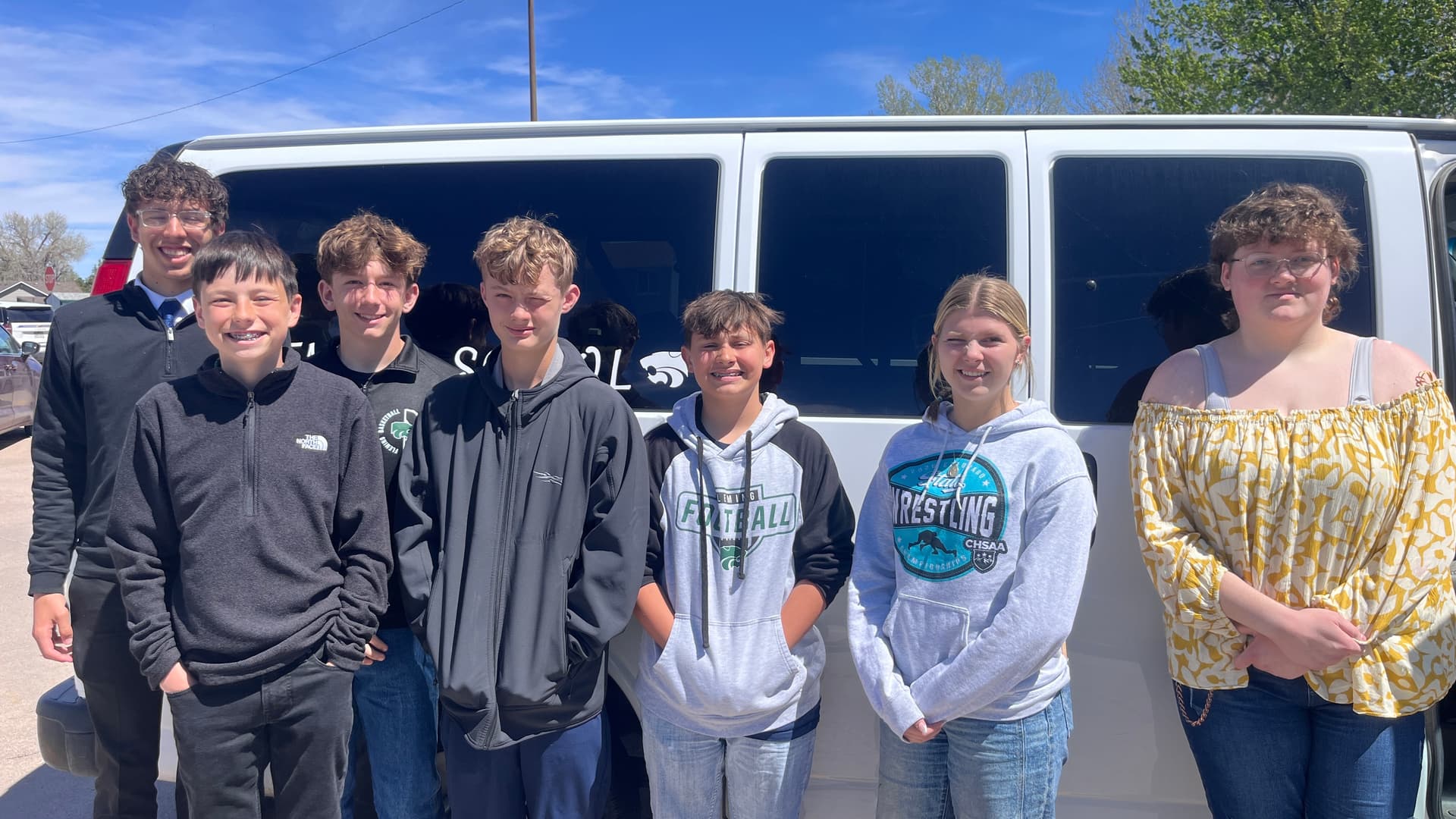
Fleming High School students got a rare look at how Colorado law is argued, tested and explained when the state Supreme Court heard live cases inside Holyoke Junior/Senior High School on April 16. The Fleming students were among eight northeastern Colorado high schools that filled the room for a Courts in the Community session, turning a school visit into a working lesson on how appellate courts affect rural residents in Logan County and beyond.
The visit was part of Courts in the Community, the Colorado Supreme Court and Court of Appeals outreach program that began on Law Day, May 1, 1986. The program marked its 40th anniversary this year. It is built around real appellate arguments, not a simulation, and the courts typically hear two oral arguments at each stop so students can watch judges question lawyers as cases move through the system.
That mattered in Holyoke, where students from eight rural schools across the 13th Judicial District, a seven-county region in northeastern Colorado, saw the justices in person. Students from Peetz and Otis traveled roughly 70 miles to attend. For many of them, the day brought the state’s highest court out of Denver and into a school gym and auditorium setting that felt far closer to home than a law book ever could.
Justice Susan Blanco was in her sixth week on the Colorado Supreme Court and took part in Courts in the Community for the first time. Chief Justice Monica M. Márquez and Justice Richard L. Gabriel also spoke with students after the arguments, offering a less formal look at how the court works. Márquez joked about having worked with Gabriel early in her career, and Gabriel answered, to laughter, that he still edits heavily.
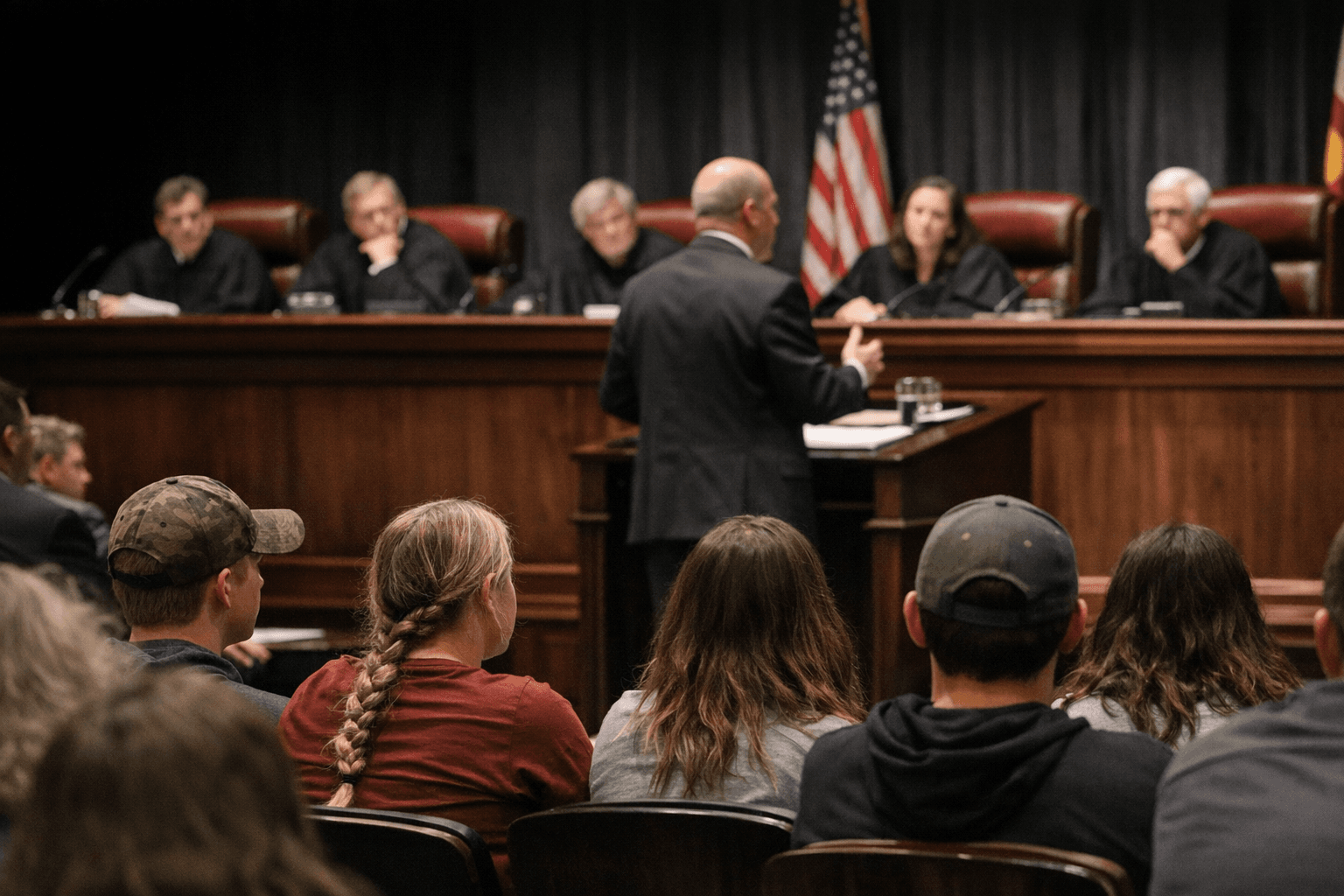
One of the cases heard was Teran Sanchez v. People, a criminal appeal centered on Colorado’s revised reasonable-doubt jury instruction. The defense relied in part on a University of Denver psychology study it commissioned, arguing the language could affect convictions. Gabriel questioned whether it was fair to raise that study for the first time on appeal, while Blanco questioned whether the research captured actual trial conditions, since it tested the instruction in isolation rather than with the full set of jury instructions.
The court also heard a snowboarder’s injury lawsuit tied to a waiver, and the justices appeared skeptical of the plaintiff’s bid to revive the claim. Together, the two cases showed students that appellate law is not abstract. It reaches criminal cases, recreation disputes and the everyday rules that shape life in rural Colorado long before voters, jurors or future leaders ever step into a courtroom.
This article was produced by Prism’s automated news system from verified source data, official records, and press releases, then run through automated quality and moderation checks before publishing. The system is built and supervised by the people who set the standards it runs under. Read our full AI policy.
Did this article answer your question?