Hay fire draws multiagency response in Logan County
A hay fire pulled multiple agencies into Logan County response, highlighting how fast a feed stack can become a countywide emergency in peak farm season.
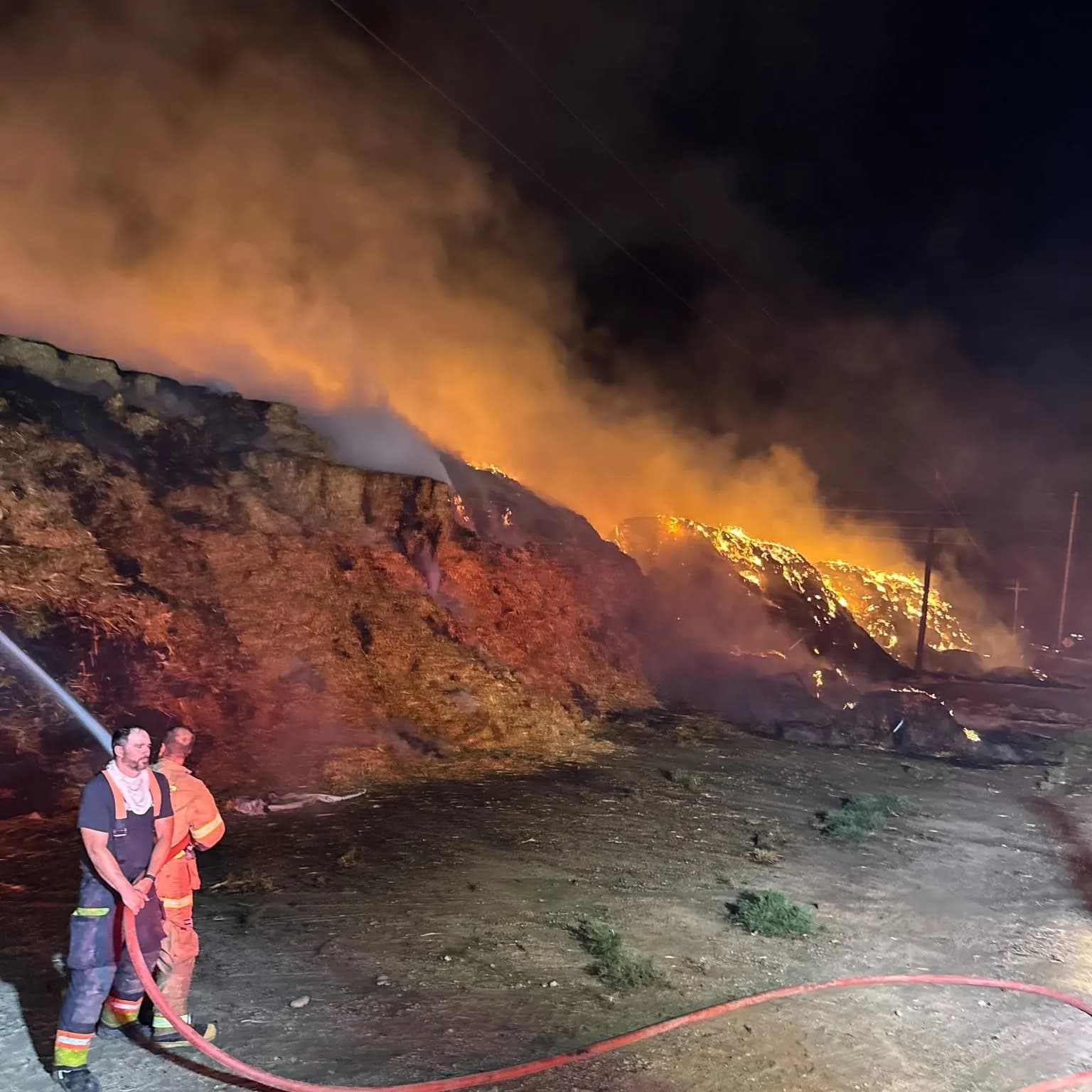
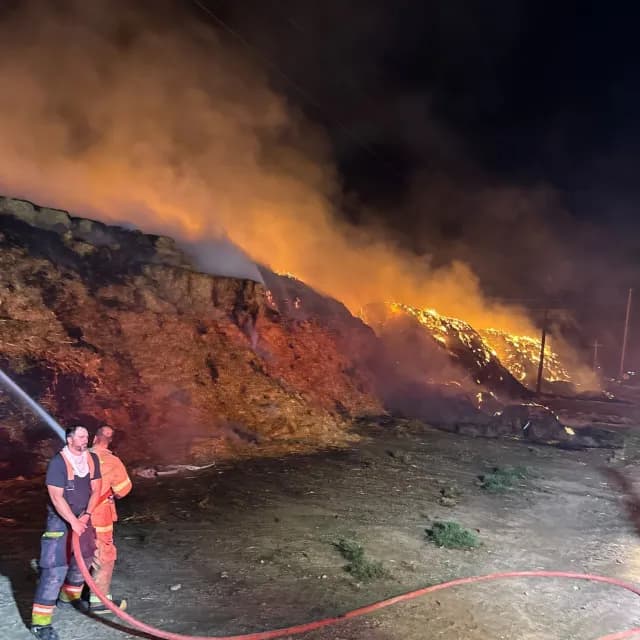
A hay fire drew a multiagency response in Logan County on July 23, a reminder that one burning stack of forage can quickly become a countywide problem when crews need extra hands, water and equipment to keep flames from spreading across farm ground. In a county built around livestock, stored feed and open land, the threat is not just smoke and fire. It is the loss of inventory, winter security and, in some cases, the machines and buildings sitting next to the stack.
Hay fires hit farm budgets immediately because hay is feed, not just a crop waiting to be sold. A lost stack can erase months of cutting, baling, hauling and storage work, and the smoke and heat can make suppression harder in midsummer conditions. When more than one agency is pulled in, the response is usually about speed and reach: keeping the fire from jumping to neighboring bales, sheds, machinery or other structures before it spreads beyond one producer’s property.
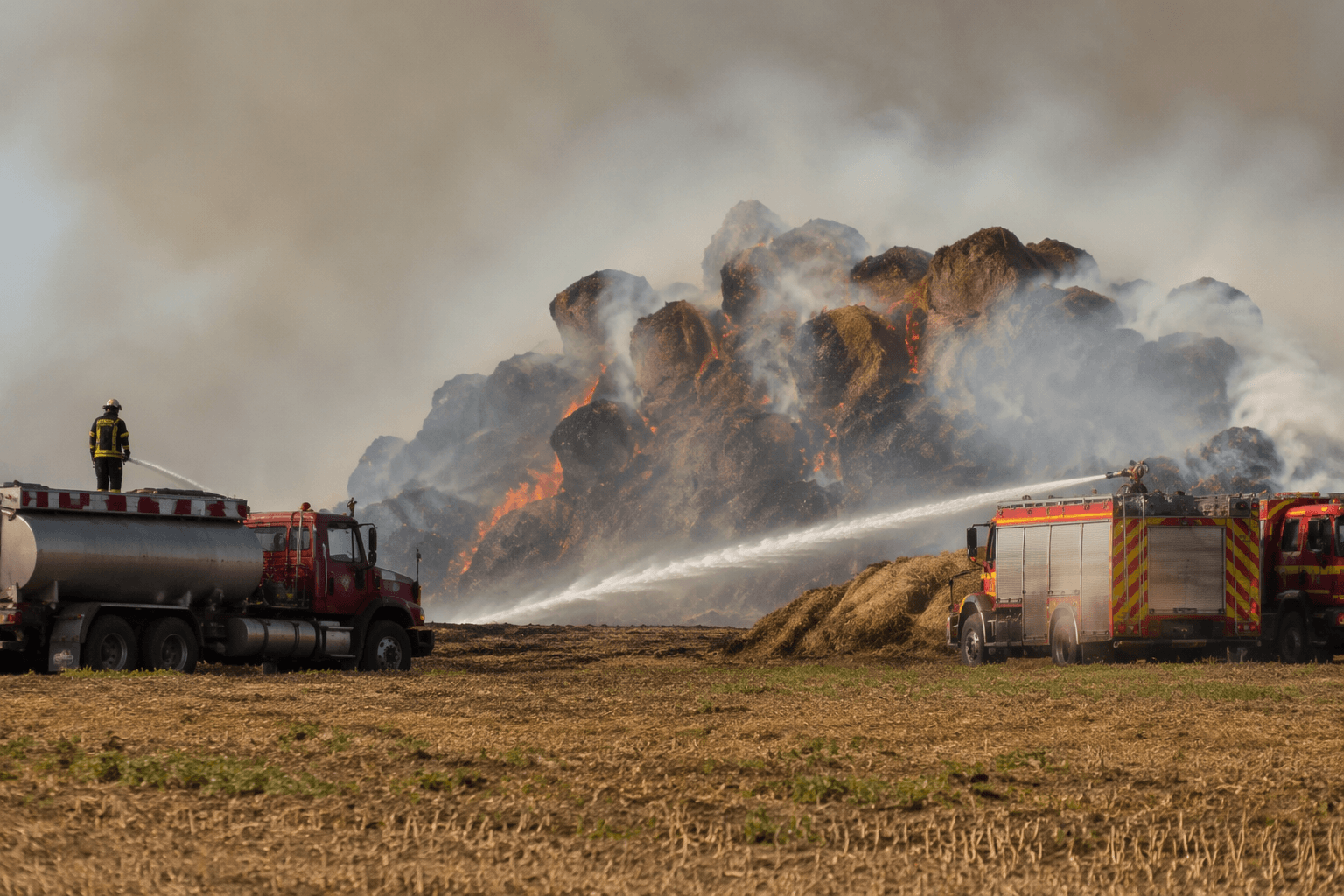
Logan County has seen that pattern before. In March 2021, a hay fire closed Highway 14 west of Sterling. The Logan County Office of Emergency Management said the fire started west of Sterling near County Road 29, and heavy winds and dry conditions helped drive the blaze. That earlier fire showed how fast an agricultural fire can move from a private loss to a traffic and public-safety problem on a rural road corridor.
Recent local fire activity has kept the pressure on. A July 5 hay bale fire west of Guthrie was blamed on an overnight lightning strike, a reminder that summer hay fires can start before daylight and smolder long enough to complicate initial detection. On April 29, Logan County commissioners were considering a new fire restriction ordinance, and March 26 coverage pointed to wildfire becoming a year-round threat while noting that firefighter experience and equipment upgrades were improving local response.
The county’s fire history makes the July 23 hay fire more than a one-day event. In March 2017, the Colorado Division of Homeland Security and Emergency Management activated the State Emergency Operations Center at Level 3 to support Logan County during a wildfire of more than 30,000 acres. After the Logan-Phillips wildfire, Colorado Parks and Wildlife also donated hay to a farming family that had lost livestock feed. Those episodes show why hay fires draw attention fast in Logan County: the first loss is a stack, but the second can be a neighbor’s pasture, a roadway or a producer’s bottom line.
This article was produced by Prism’s automated news system from verified source data, official records, and press releases, then run through automated quality and moderation checks before publishing. The system is built and supervised by the people who set the standards it runs under. Read our full AI policy.
Did this article answer your question?