Logan County Detention Center Updates Booking, Bond Rules Under New State Laws
Logan County Detention Center stopped accepting money orders and switched to video-only visits as two state laws reshaped how Sterling's jail handles bookings and bond.
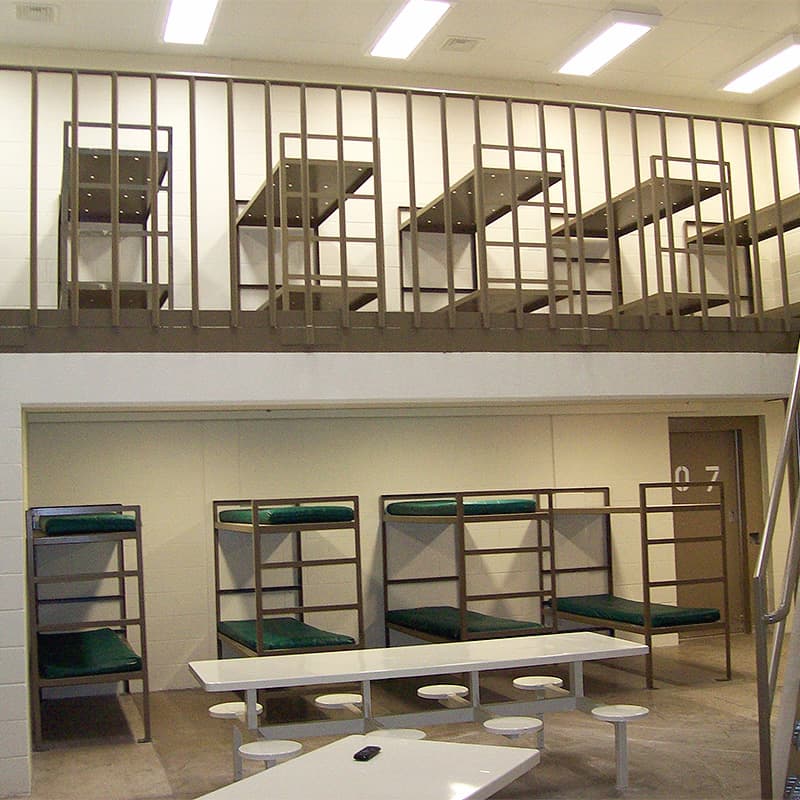
Logan County Detention Center stopped accepting money orders for bond payments and moved visitation entirely to video, implementing procedural changes at 110 N Riverview Road in Sterling tied to two Colorado laws that together reshape how the jail processes arrestees and releases them.
The legislation behind the shift is HB-1280, a pretrial detention and bond-reform law, and HB21-1063, which governs restrictive housing and special-management placements inside county facilities. Both statutes impose new timelines, documentation requirements, and fee restrictions that filter directly into Sterling's booking workflow.
Three arrest scenarios now play out differently at the facility. A driver booked on suspicion of DUI no longer faces the risk that a booking fee will delay or block an otherwise eligible bond. HB-1280 prohibits those charges from being a prerequisite to posting bond, and payment now runs through the lobby kiosk, JailATM, or the detention center's Click to Pay interface. Someone brought in on a mental-health hold is subject to both laws: HB-1280 sets the timeline for an initial court appearance, while HB21-1063 restricts when staff can move that person into a special-management unit and requires documented justification if they do. A person arrested on a probation violation warrant receives, at booking, a printed statement of their legal rights tied to posting money bond.
Families reaching the facility by phone can call 970-522-2578 and use the menu system to reach the appropriate department for bond or visitation questions.

The county posted two PDFs on the Detention Center section of its official website: "Information Relating to HB-1280 Booking and Bonding Process" and "Legal Rights Related to Posting Money Bond." Both documents translate the statutory requirements into plain language covering payment options, release timelines, and the limits on what the jail can charge before accepting a bond.
For restrictive housing, HB21-1063 requires staff to document the basis for any special-management placement and to track whether an inmate qualifies for a mental-health transfer rather than continued isolation in a separate unit.
This article was produced by Prism’s automated news system from verified source data, official records, and press releases, then run through automated quality and moderation checks before publishing. The system is built and supervised by the people who set the standards it runs under. Read our full AI policy.
Did this article answer your question?