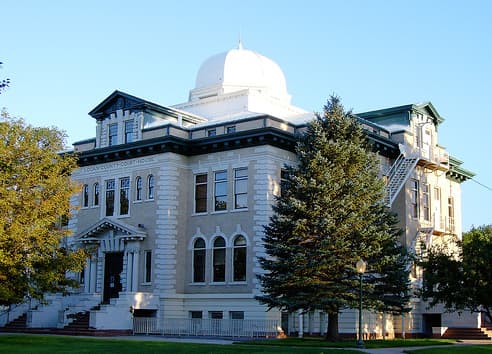
Logan County road system spans 1,855 miles, 120 bridges
A gravel-heavy network of 1,855 miles and 120 bridges keeps Logan County connected, but culverts, aging spans, and heavy-load permits shape daily life.
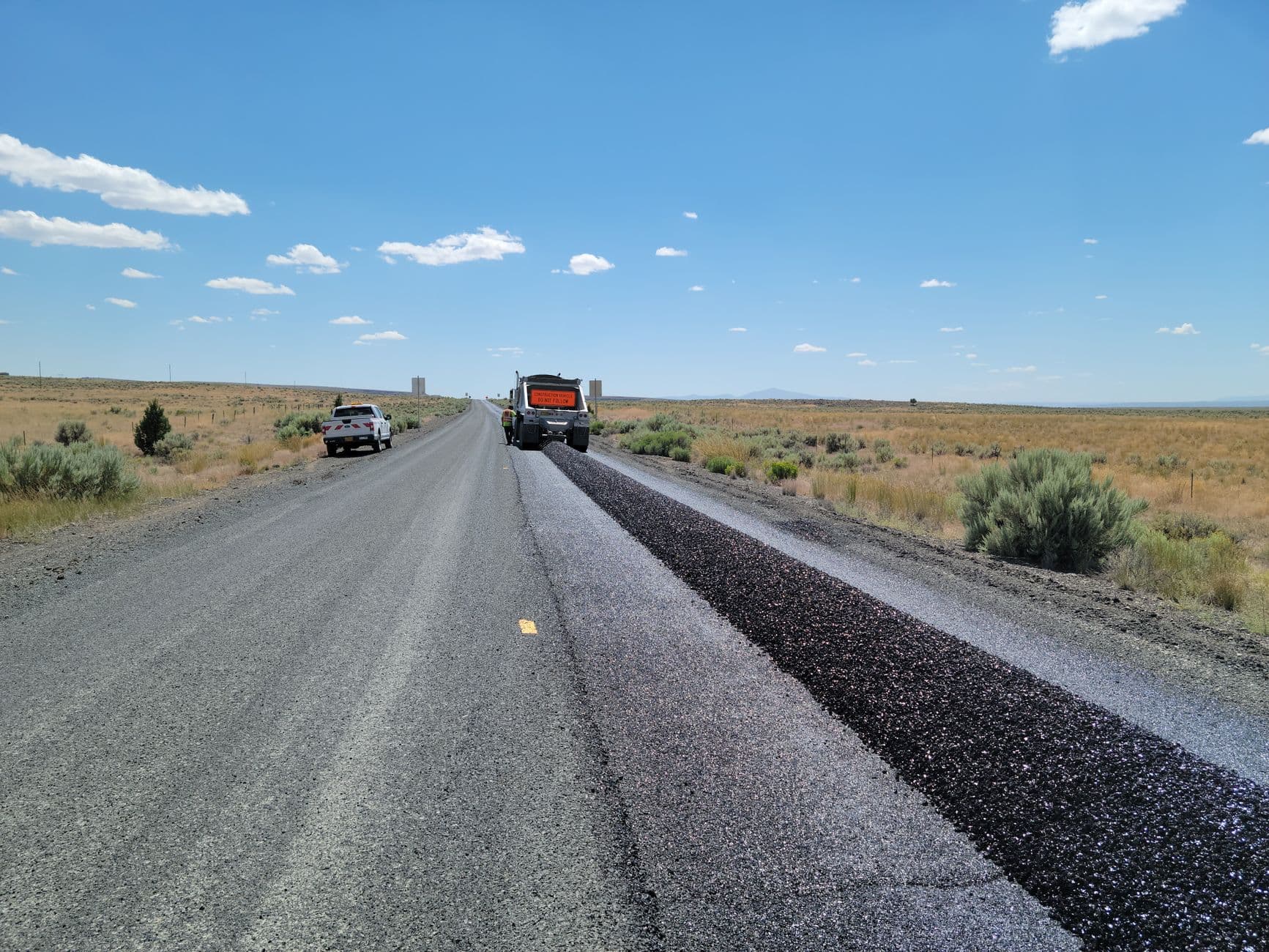
Logan County’s road system runs for 1,855 miles and crosses 120 bridges, a network built less for spectacle than for getting school buses, grain trucks, ambulances, and neighbors from one part of the county to another. Most of it is gravel, not asphalt, which means the real work is grading, drainage, dust control, and keeping roads passable when weather or wear turns a routine trip into a problem.
A county built around distance
The Logan County Road & Bridge Department says its job is to provide a countywide road system that moves people and goods safely, economically, and efficiently, while also maintaining roads, bridges, and storm drainage facilities in the public right-of-way. That mandate fits a county that covers 1,845 square miles in northeast Colorado, was created in 1887, and had 21,528 residents in the 2020 census.
Sterling is the county seat and the largest population center, with 18,211 residents, but much of Logan County lives outside that hub in smaller places such as Merino, Atwood, Iliff, Crook, Fleming, and Peetz. The South Platte River cuts through the county, Interstate 76 follows the river corridor, and the county’s border with Nebraska reinforces how much of daily life depends on roads that stay open, not just roads that exist on a map.
That geography is what makes road work a local-government issue with real consequences. A pothole on a city street is an inconvenience; a failed culvert or washed-out gravel segment on a rural route can mean a longer school run, a slower ambulance, a missed farm delivery, or a detour that adds time to every trip into Sterling.
Where a break in the system matters first
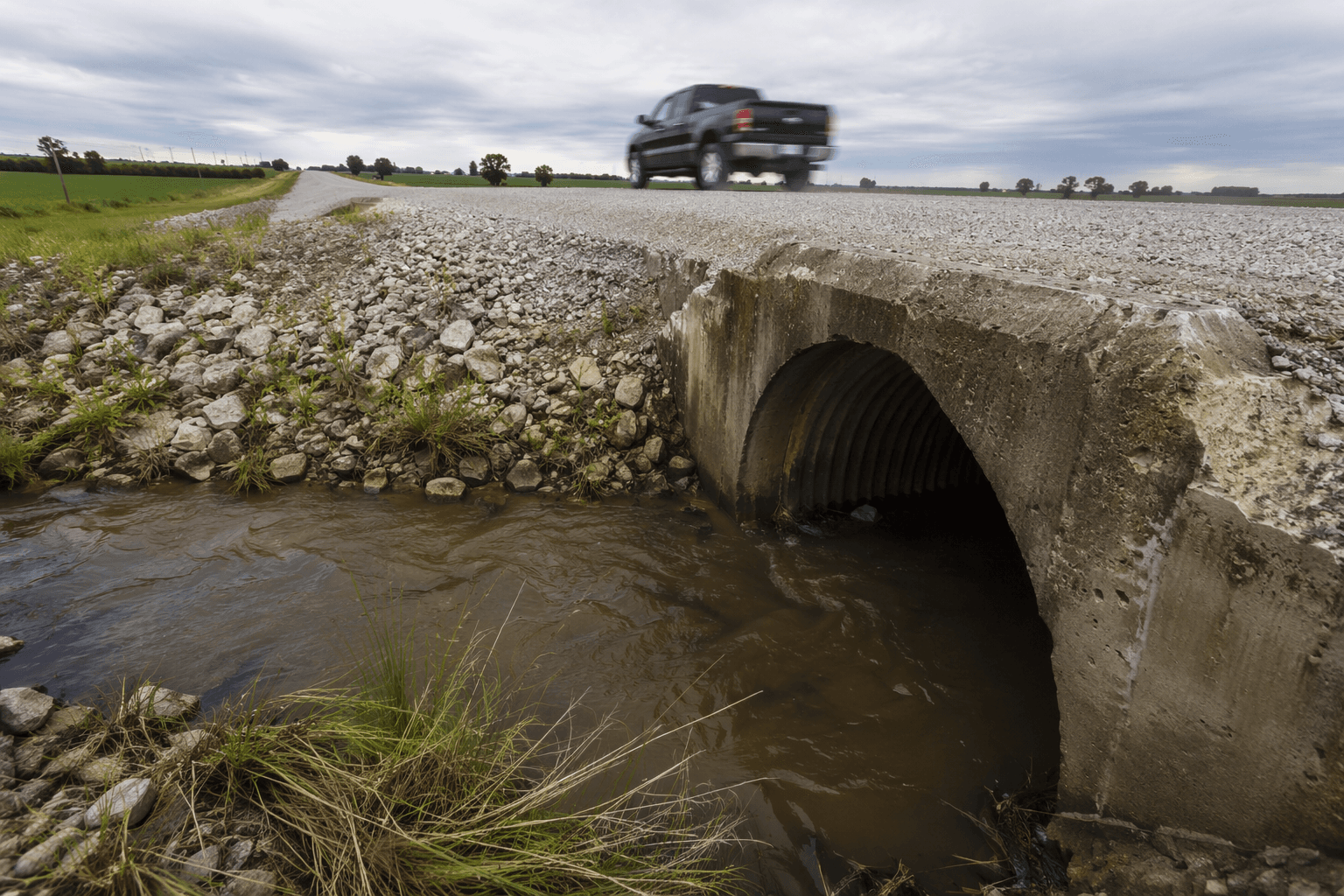
The county’s recent culvert work shows how much hinges on small pieces of infrastructure that most drivers never notice. In June 2025, commissioners approved replacement work for two pre-cast box culverts, including one at Vansway Drive in the Springdale Irrigation Canal and another on County Road 43.5 about a quarter-mile north of County Road 36, with contracts awarded to Concrete Specialties and Utilities. A separate agenda item described the County Road 43.5 project as a replacement of the existing culvert bridge structure 2,643 feet north of County Road 36.
Those are the kinds of crossings that quietly keep a road alive. If a culvert fails at Vansway Drive, the roadway can lose a key link over the irrigation canal, forcing local traffic to reroute around a short but important connection. For a county where farm traffic, school buses, and emergency vehicles all use the same road network, a closure like that is not a small repair job, it is a break in the chain that connects homes, fields, and the county seat.
The same logic applies to the county’s older bridges. Logan County has sought grant money to replace two 85-year-old bridges, one on County Road 26 at the inlet of North Sterling Reservoir and one on County Road 59 northeast of Iliff at the reservoir’s outlet. The County Road 26 bridge carries a sufficiency rating in the 30s, and the two projects were estimated at about $2 million and $2.1 million, with county shares of roughly $300,000 and $420,000.
Those numbers matter because they show the choice county officials face: keep patching an old span, or find the money to replace it before a failure creates a wider problem. A closure at either reservoir crossing would not just affect one road. It would alter how people reach farms, how crews move equipment, and how quickly traffic can move between the Sterling area and the northeast part of the county.
How heavy loads move through a rural county
Logan County also has a special transport permit process for oversize, overweight, or extraordinary moves on roads under the jurisdiction of the Board of County Commissioners. The county’s fee schedule lists a single-trip permit at $125 per vehicle, plus any county costs for moves that require extraordinary action.
That permit system matters in a county where agriculture has been the dominant industry since 1887 and where there were nearly 900 farms as of 2012. Colorado’s freight permitting guidance notes that divisible loads can include cattle, grain, water, and sand, which are exactly the kinds of loads that move through a working agricultural county. In practice, the permit process is part of how the county balances farm and commercial traffic with a road system that was never designed to absorb unlimited weight without planning.
The county notes that the permit is valid only on roads and highways under the jurisdiction of the Board of County Commissioners, which keeps the process tied to local control. Colorado’s general overweight rules set 85,000 pounds on non-interstate roads and 80,000 pounds on interstates, giving operators a framework for what can move where and when extra approval is needed.
The people and offices behind the work
The road department’s staff directory gives the operation a local face. It lists operations managers Mike Burri and Rob Kasper, along with administrative assistant Kathy Hradecky, and places the department at 12603 CR 33 in Sterling. That office is the point where the county’s daily maintenance work turns into dispatches, repairs, and planning, from drainage fixes to bridge projects.
Logan County’s own budget documents describe the annual budget as the county’s financial and operational plan, built around citizen requests and Board of County Commissioners policy. In road terms, that means every mile graded, every bridge replaced, and every drainage problem solved is part of a larger effort to keep a rural county connected across long distances and changing seasons.
The system is unglamorous by design, but its value shows up the moment it fails. In Logan County, the road network is the difference between a route and a detour, between a bridge and a bottleneck, and between a county that stays linked together and one that starts to feel far apart.
This article was produced by Prism’s automated news system from verified source data, official records, and press releases, then run through automated quality and moderation checks before publishing. The system is built and supervised by the people who set the standards it runs under. Read our full AI policy.
Did this article answer your question?