Logan County Talking Trail guides visitors through 30 local history stops
Thirty Talking Trail stops turn Logan County into a free, app-based classroom, with the courthouse and Union Pacific Depot anchoring a countywide history walk.
1. 710 - Logan County Courthouse.
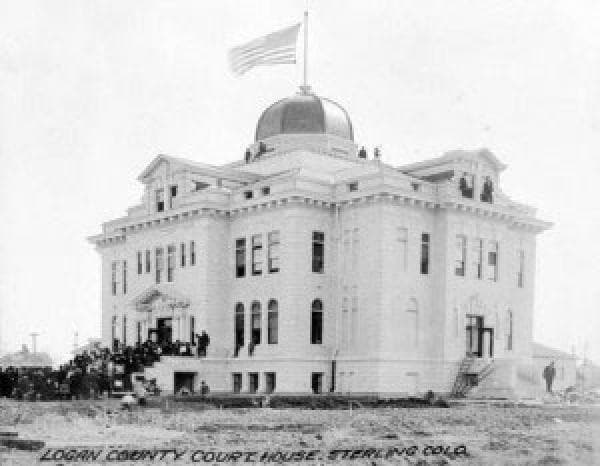
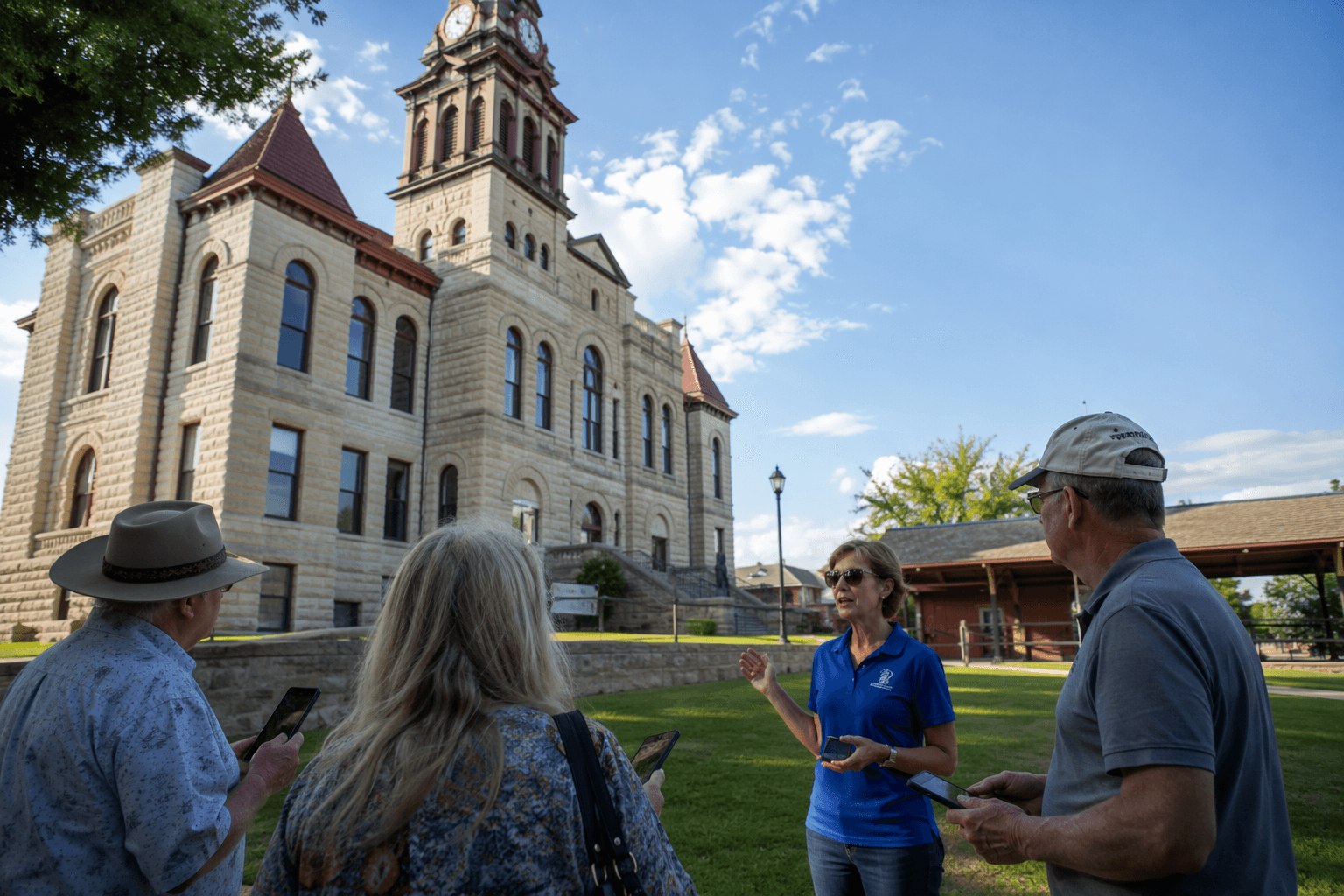
The Logan County Talking Trail includes a stop labeled “710 - Logan County Courthouse,” giving Sterling a clear civic anchor on the route. The courthouse is introduced as a grand, historic landmark, which makes it a natural place to start understanding how county government shaped local identity.
2. Sterling Union Pacific Railroad Depot.
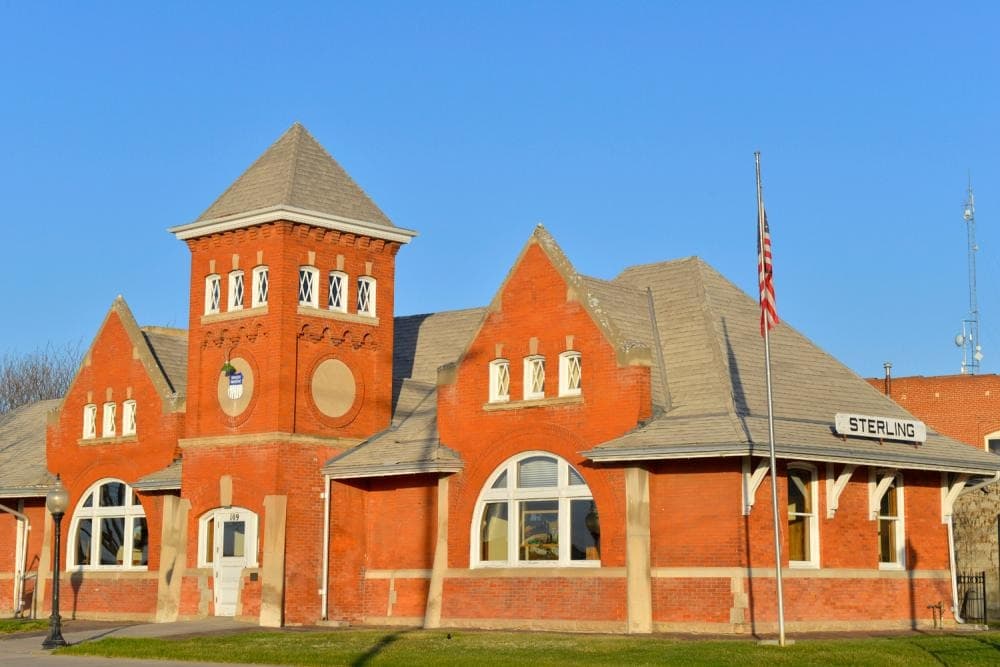
History Colorado lists the Sterling Union Pacific Railroad Depot as a historic site, and Explore Sterling uses its image on the Logan County page. That pairing points straight to the rail history that helped determine where people settled, traveled, and built businesses.
3. Thirty talking points across the county.
Explore Sterling says the trail includes 30 Talking Points spread throughout Logan County. That countywide reach is what turns the experience into a system, not just a single attraction in Sterling.
4. The Talking Trail app.
Explore Sterling tells visitors to download the Talking Trail app before heading out. The app makes the trail self-guided, so families, teachers, and new residents can move through the county at their own pace.
5. A free audio experience.
Explore Sterling promotes the trail as a free audio experience across Logan County. Free access matters in a countywide outing because it keeps the route within reach for school groups, budget-conscious families, and anyone looking for a low-cost day trip.
6. More than the line on a sign.
Talking Trail says its routes go beyond “the line or two found on a sign.” That approach gives Logan County stories room to breathe, especially in places where a nameplate alone would not explain the full context.
7. The whole story.
Talking Trail says it connects guests with “the whole story.” In Logan County, that means the courthouse, the depot, and the surrounding landscape can be understood as parts of one local narrative.
8. Stories sourced from local experts.
Talking Trail says its writers source stories from local experts. That keeps the interpretation rooted in people who know Logan County’s places, memories, and public landmarks firsthand.
9. Sterling as a starting point.
Explore Sterling’s broader history materials and trail promotion both center Sterling as a practical launch point. For many visitors, that makes the city the easiest place to begin before spreading out into the rest of the county.
10. The northeast Colorado plains.
Colorado.com describes the plains around Sterling and Logan County as having an unhurried rural pace. That landscape explains why a driving and walking trail fits the county so well, since the stories are spread across a wide area.
11. Warm greetings along the way.
Colorado.com also points to the warm greetings visitors find in the region. That social detail matters because the Talking Trail is meant to be experienced in the open, through everyday places and public spaces.
12. Pioneer history.
Colorado.com ties the area to pioneer history, which gives the trail its broader backdrop. The trail brings that history down to street level, where it can be heard at named stops instead of left as a general idea.
13. Rail and settlement history.
The Union Pacific Depot and the courthouse show two forces that shaped Logan County: transportation and civic growth. Together, they explain how rail access and public institutions helped organize life in Sterling and beyond.
14. Agriculture and the plains economy.
Logan County’s wide-open geography and rural character point to an economy shaped by land and distance. The trail helps readers see how agriculture and settlement history sit behind the county’s present-day layout.
15. County growth as a connected story.
Because the 30 talking points are spread throughout Logan County, the trail presents growth as a countywide process. That makes it easier to see how Sterling and surrounding communities fit together instead of standing apart.
16. Historic downtown Sterling.
Explore Sterling can pair the trail with a walk through historic downtown Sterling. That gives visitors a way to move from audio storytelling to the actual blocks where the city’s history remains visible.
17. The Overland Trail Museum.
The trail also fits naturally into a day that includes the Overland Trail Museum. Used together, the museum and the Talking Trail can give families and teachers a fuller picture of Logan County history.
18. Public art stops.
Explore Sterling’s local history approach also leaves room for public art stops. That helps younger visitors connect history with the places they can see, photograph, and walk through in the same outing.
19. School projects.
The app-based format makes the trail useful for school projects without requiring a scheduled tour. Students can visit one stop, gather details, and then connect what they hear to what they learn in class.
20. Back-to-school learning.
The trail works especially well when teachers want a place-based lesson at the start of the year. One stop at a courthouse or depot can turn into a discussion about government, transportation, and community development.
21. Summer learning.
Because the trail is self-guided, it does not depend on a festival calendar or special event date. That makes it a practical summer-learning option when families want something educational that still feels like an outing.
22. Family outings.
A free countywide route gives parents an easy way to turn an afternoon drive into a shared history lesson. The stops are spaced so different ages can take in the story in manageable pieces.
23. New resident orientation.
People new to Sterling or Logan County can use the trail to learn the county’s landmarks and place names. It offers a faster introduction than piecing together local history from scattered signs alone.
24. Youth group trips.
Scout troops, church groups, and school clubs can break the trail into sections and cover it over more than one outing. That keeps the experience flexible while still giving the group a shared county story.
25. A road-trip detour that adds meaning.
The trail fits travelers who want a reason to slow down in Northeast Colorado instead of just passing through. A few talking points can turn a drive into a real stop in Logan County.
26. Weekend itinerary material.
Explore Sterling already frames Logan County as a place to linger, not just pass through. The Talking Trail gives that longer stay a clear purpose by tying together multiple local landmarks in one day or weekend.
27. Repeat visits without a set schedule.
Since the trail is self-guided, visitors are not locked into one date or one season. They can come back for different stops when their schedule changes or when they want to focus on another part of the county.
28. Digital history beyond the trail.
Explore Sterling also offers virtual tours and a separate history page for Sterling and Logan County. That larger digital package means the Talking Trail works alongside other online tools, not in isolation.
29. One county, many places.
The trail’s design turns Logan County into a connected map of stories. Instead of treating Sterling as the only history stop, it shows how the county’s towns, roads, and public sites belong to one shared landscape.
30. A shared classroom in the landscape.
Taken together, the 30 talking points turn local history into something families, teachers, new residents, and youth groups can use right away. Logan County has built a repeatable classroom into the county itself, and that is what gives the trail its staying power.
This article was produced by Prism’s automated news system from verified source data, official records, and press releases, then run through automated quality and moderation checks before publishing. The system is built and supervised by the people who set the standards it runs under. Read our full AI policy.
Did this article answer your question?