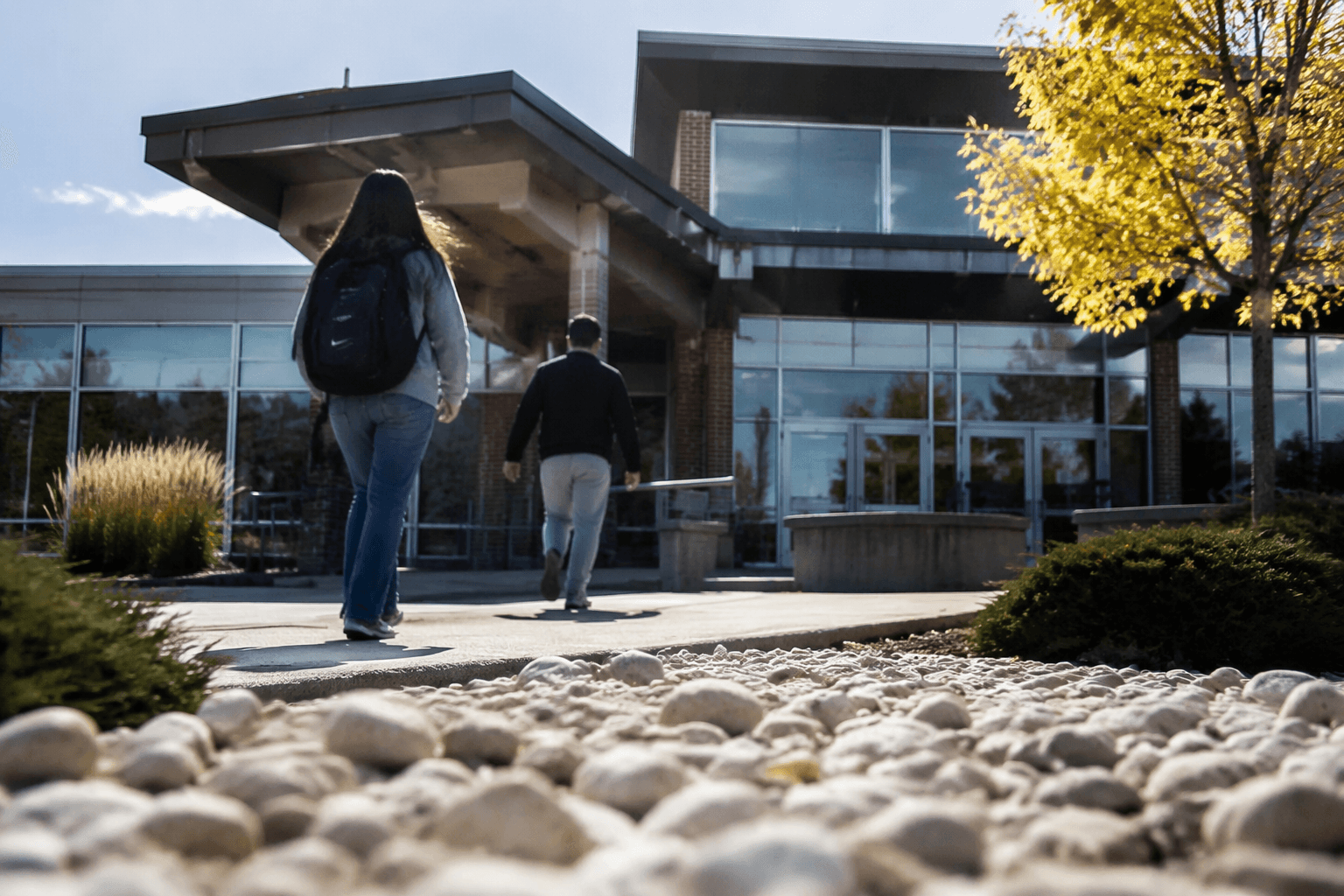
Northeastern Junior College’s legacy shapes Logan County education pipeline
Northeastern Junior College has been built by Logan County itself since 1941, and its campus growth still drives local training, housing, and transfer pathways in Sterling.
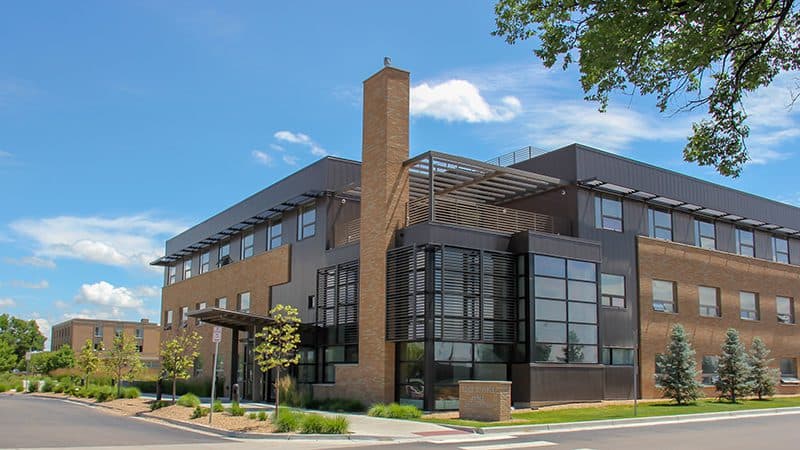
Northeastern Junior College did not grow into Sterling by accident. Logan County voters helped build it into place, and the campus has expanded in step with the county’s agricultural economy and workforce needs. That history still matters because NJC remains one of the main ways local students can study, live, and launch careers without leaving northeastern Colorado.
A college shaped by local decisions
The college’s history begins in the spring of 1941, when educational leaders and interested citizens in Sterling planned the school before it opened its doors. The first classes enrolled 60 students from 17 northeastern Colorado communities on September 8, 1941, a reminder that NJC was created to serve a broad rural reach from the start. By October 1944, Logan County voters had approved tax support, and a junior college district was organized under Colorado law.
That local vote mattered. The school was renamed Sterling Junior College, then later took the name Northeastern Junior College to reflect a larger service area. In 1997, NJC became part of the Colorado Community College and Occupational Education System, a move that tied the campus to a broader statewide network while keeping its roots in Logan County. The sequence of those decisions shows a college built by public support, not private expansion.
Campus growth followed county needs
The physical campus tells the same story of steady local investment. NJC later acquired a separate 15-acre parcel, expanded its main campus to 25 acres, added a 34-acre north campus in 1961, and obtained an Ag farm in 1999 for instructional and lab purposes. Those additions are not just real estate facts. They show how the college widened its footprint as student needs and program needs changed.
That agricultural land is especially important in Logan County, where farming remains central to daily life and to the regional economy. A college with an Ag farm on its own property can train students in settings that match the realities of the county they are likely to serve. The result is a campus that functions less like a stand-alone institution and more like part of the county’s working infrastructure.
Residential life keeps students in Sterling
NJC is also built around a residential model that gives it a different role than a commuter-only campus. The college is focused on liberal arts and agriculture, with strong career and technical education programs, and it pairs that academic structure with housing, athletics, and performing arts. Its current profile says it has six residence halls and the largest residential population of any two-year college in Colorado.
That matters for Logan County because housing is part of access. Students who can live on campus are more likely to stay connected to classes, tutoring, clubs, and peer support rather than drive long distances or leave the region entirely. In a county where population retention is a constant concern, those six residence halls help keep young adults in Sterling while they decide whether to transfer, enter the workforce, or take a broader path.
Programs that lead to work or transfer
NJC’s current catalog and campus profile point to more than 80 programs of study, along with a clear route either into transfer degrees or direct workforce entry. That flexibility is one reason the college has long served as a local pipeline for students who want practical training without losing the option to continue their education elsewhere. It is also why the school remains relevant to families who see college as a bridge to stable work, not just a four-year destination.
The strongest value of that setup is local fit. A student can start in Sterling, use the Monahan Learning Center for tutoring and learning resources, and move through a program that is designed to keep the next step within reach. For some, that means transferring after two years. For others, it means finishing with the skills needed to enter a job faster in agriculture, business, technical fields, or other career-focused tracks tied to the college’s offerings.
Why the support services matter
The Monahan Learning Center is one of the clearest signs that NJC is built to keep students moving. Tutoring and academic support are not side features on a campus like this. They are part of how a residential two-year college helps students finish what they start, especially students who arrive with uneven preparation, work obligations, or family responsibilities.
That support system is part of the county’s long-term education pipeline as much as any classroom or lab. A college can only serve Logan County if students can persist through the difficult middle of the process, and NJC’s learning resources make that possible. Combined with housing, athletics, and performing arts, the college creates a daily environment that supports both academic progress and student retention.
What NJC means for Logan County now
NJC’s legacy is tied to Sterling’s growth, but its present value is broader than nostalgia. The college helps keep local talent in the county by offering a place to begin higher education, connect with support services, and move into work or transfer pathways without leaving the region at the outset. That matters in a place where every graduating class, every transfer student, and every trained worker has a local impact.
The college’s history of voter support, campus expansion, and statewide integration shows why it has lasted. Its present profile, from the six residence halls to the Ag farm and the Monahan Learning Center, shows how it still functions as practical county infrastructure. In Logan County, NJC is not just a campus landmark. It is one of the institutions that helps decide whether young people build their futures somewhere else or build them here in Sterling.
This article was produced by Prism’s automated news system from verified source data, official records, and press releases, then run through automated quality and moderation checks before publishing. The system is built and supervised by the people who set the standards it runs under. Read our full AI policy.
Did this article answer your question?