Old Pioneer Park bridge recalls Sterling’s irrigation history
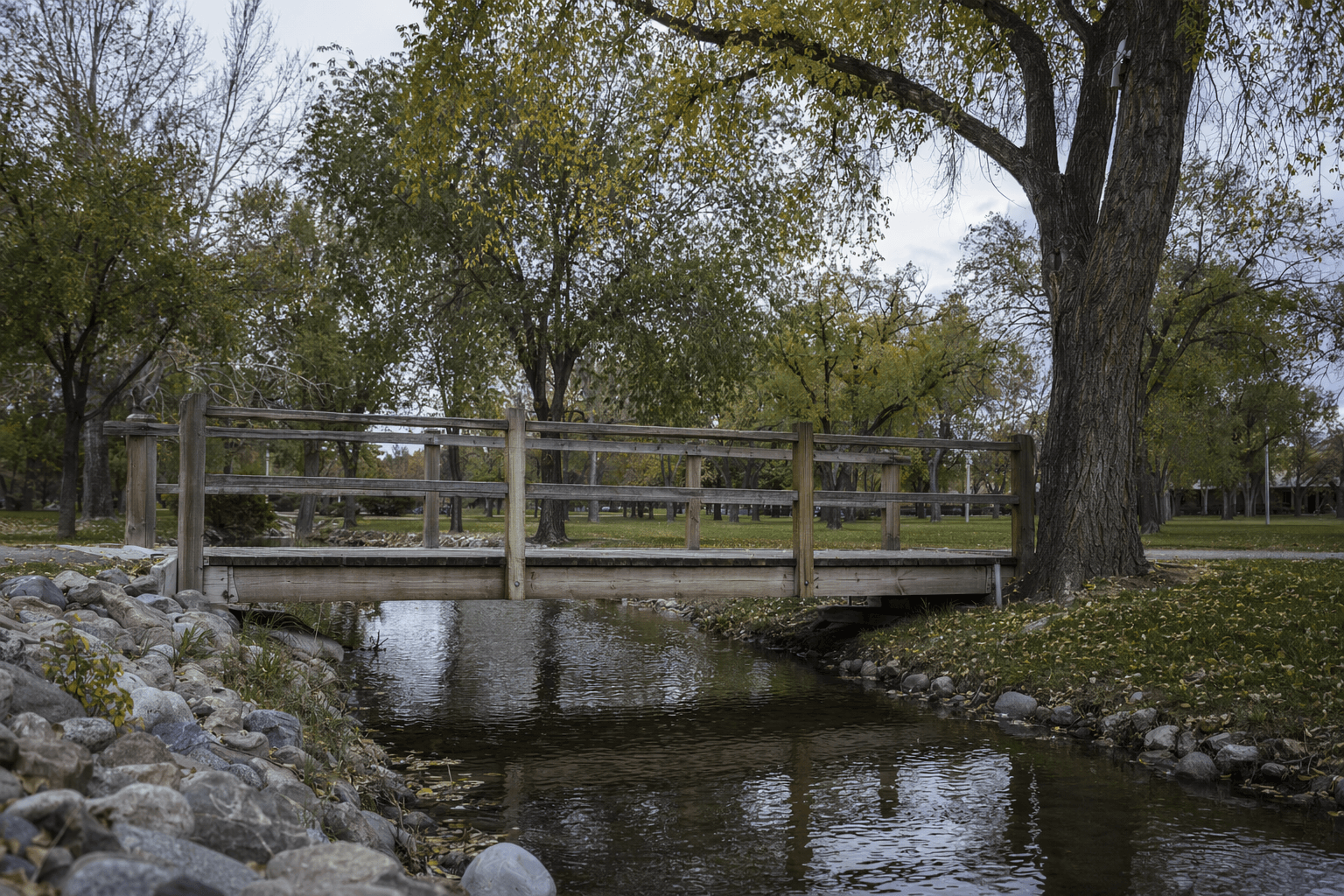
A simple wooden bridge in Pioneer Park once carried daily crossings over Springdale Ditch. Its 2009 image shows how Sterling’s irrigation past lives on in ordinary places.
A familiar crossing with a deeper history
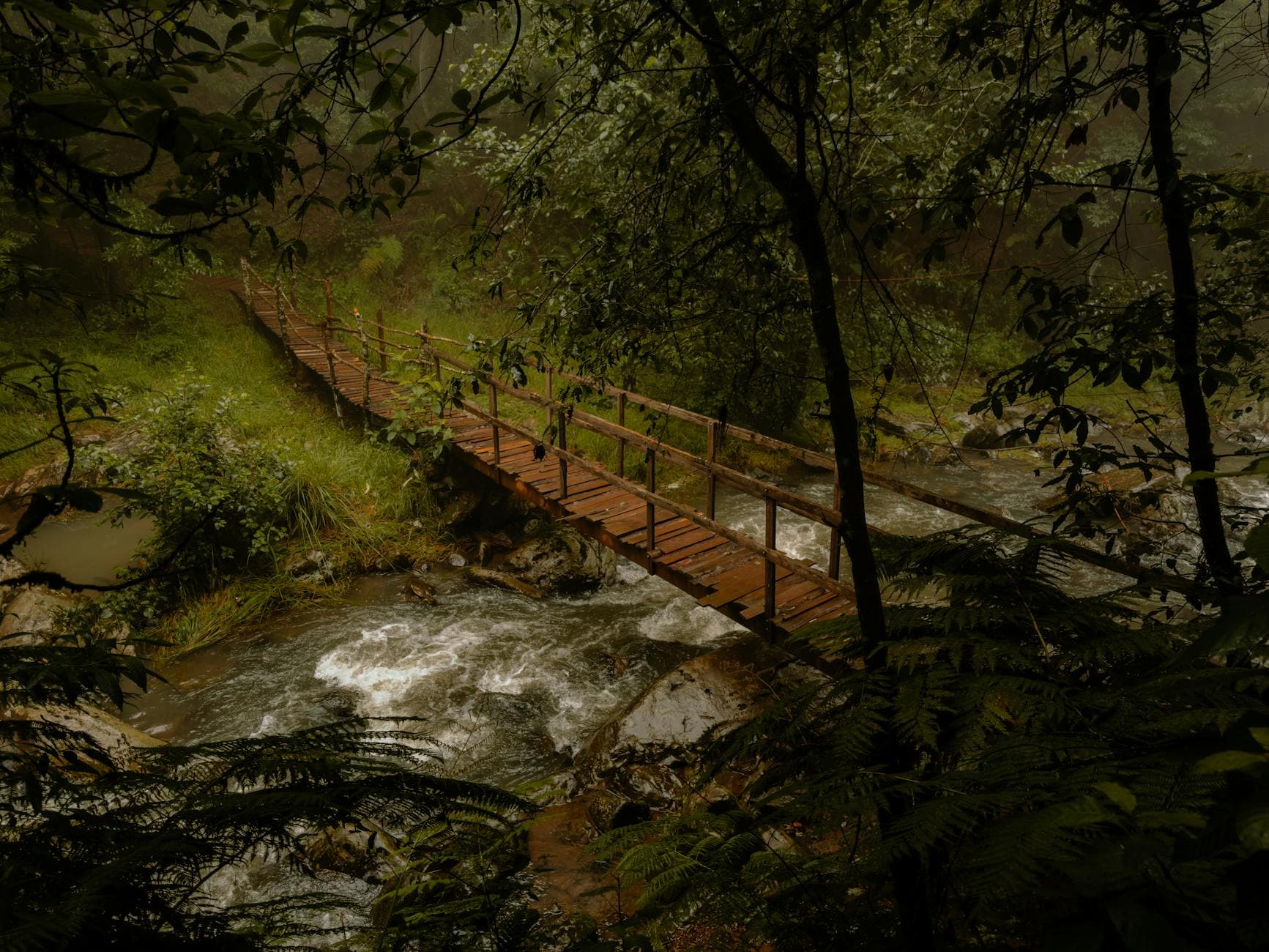
The old wooden bridge in Pioneer Park looks like the kind of structure many Sterling residents passed without a second thought. That is exactly why it matters. A 2009 image of the bridge, crossing the Springdale Ditch, turns an everyday piece of park infrastructure into a reminder that Logan County’s history is built into the small places people used every day.
In Sterling, the story of water is never far from the story of settlement. Pioneer Park sits in a city shaped by irrigation, agriculture, land use, and the practical demands of living on the plains, so a modest wooden bridge was never just decoration. It was part of the working landscape, linking people, paths, and fields to a ditch system that helped define how the community grew.
Why the Springdale Ditch matters
The bridge crossed the Springdale Ditch, described as one of the area’s earliest irrigation ditches and a waterway tied to some of the oldest water rights in the region. That detail changes the way the image reads. What might seem like a simple park scene becomes evidence of the way water access shaped nearly every practical decision in Sterling’s early development.
Irrigation in eastern Colorado was never an abstract policy issue. It determined where people could build, what they could grow, and how neighborhoods and open spaces were laid out. In that sense, the bridge represents a much larger civic story: the channeling of scarce water, the organization of land around it, and the long-term consequences of those choices for the city and the county.
Then and now in Pioneer Park
The value of the 2009 photo lies in contrast. Then, the bridge stood as a visible part of the park, connecting people to a ditch that once had a clear functional role. Now, the image reminds readers that some of the most important parts of local history are not grand monuments or courthouse plaques. They are ordinary structures that supported daily life and later faded from view.
That then-versus-now lens also shows how public memory works. If a bridge disappears, is replaced, or simply stops being noticed, the story of the place can disappear with it. Sterling’s built environment has changed over time, but the old bridge preserves a snapshot of how people once moved through the park and how closely recreation and infrastructure were tied to the city’s irrigation heritage.
What museum archives preserve
The post says the image was adapted from materials provided by the Overland Trail Museum, with the photograph credited to Ken Horner. That matters because local museums and archival collections often preserve the only surviving record of structures like this one. Without old photographs, captions, and saved materials, a bridge that once shaped everyday experience can vanish from the historical record even if older residents still remember crossing it.
This is where small archives carry outsized value. They do more than save rare artifacts. They keep hold of the ordinary things that tell the truest story of a place: footbridges, ditches, fences, storefronts, and park paths that framed routine life. For Logan County, those materials help connect present-day residents to the practical systems that made settlement possible in the first place.
A story about water, access, and community memory
The wooden bridge in Pioneer Park speaks to more than nostalgia. It reflects how Sterling developed around water, how irrigation shaped land use, and how everyday infrastructure became part of the city’s shared memory. A bridge over the Springdale Ditch was not a headline attraction, but it was part of the landscape that residents relied on, crossed, and eventually remembered.
That is why the image still resonates. It captures a city where history is not confined to official landmarks. It also lives in the smaller, less celebrated places where people walked, worked, and organized daily life around the realities of the plains.
For Logan County, the lesson is clear. Preserving everyday places is part of preserving the county’s identity. The old Pioneer Park bridge recalls a time when water rights, irrigation ditches, and simple wooden crossings helped define Sterling, and it shows how easily that history can be overlooked if the ordinary pieces are not remembered alongside the famous ones.
This article was produced by Prism’s automated news system from verified source data, official records, and press releases, then run through automated quality and moderation checks before publishing. The system is built and supervised by the people who set the standards it runs under. Read our full AI policy.
Did this article answer your question?