Sterling museum to host gold rush talk in History Café
Sterling’s History Café will tie the 1858 Colorado Gold Rush to the Overland Trail and the migration that shaped Logan County.

The Overland Trail Museum will use its next History Café to show how the Colorado Gold Rush still echoes in Sterling and across northeastern Colorado. The session, “Pikes Peak or Bust!,” is set for Thursday, May 28, at 10:30 a.m. and will look at the 1858-59 rush, the rise of mining towns and the migrations that pushed settlement deeper into the state.
The museum said coffee and muffins will be served, and space is limited, so attendees are being asked to reserve a spot by calling the museum. The program is part of the museum’s Echoes of Colorado series, a monthly format built around informal public history in a setting that invites conversation as much as lecture.
That setting matters in Logan County, where the Overland Trail Museum has long served as one of Sterling’s signature cultural institutions. The museum opened in 1936 as a WPA project on Highway 6 east of the South Platte River, and it is named for the Overland Trail, a branch of the Oregon Trail that passed through Sterling on the way to Fort Morgan, Denver and Fort Collins. By 1862, U.S. mail had shifted to that route because of Indigenous resistance along the Oregon Trail’s main line.
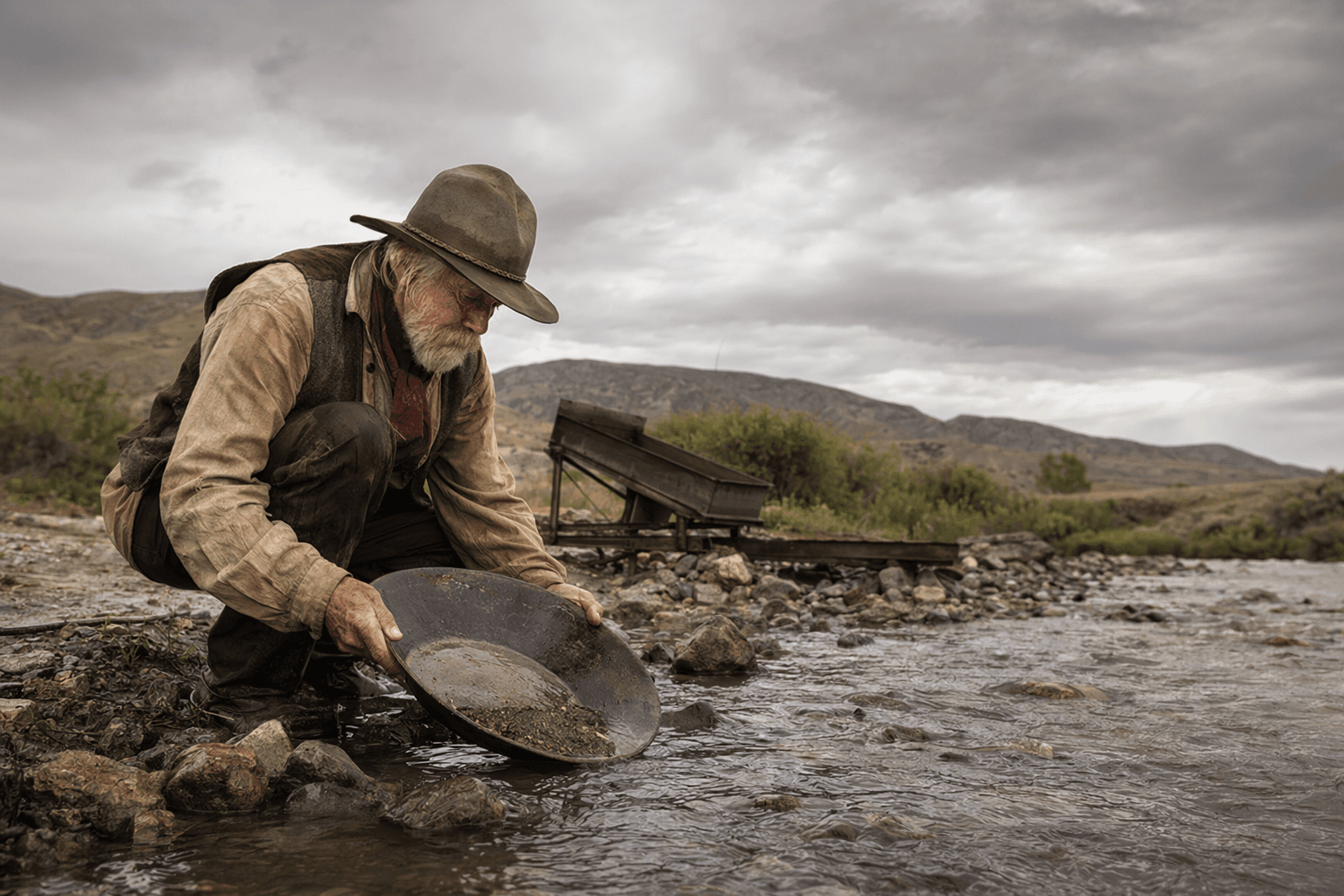
The Gold Rush talk will connect that frontier traffic to the boom towns that followed. The Colorado Gold Rush, also called the Pikes Peak Gold Rush, is commonly dated to 1858-59 and helped lead to Colorado Territory in 1861 and statehood in 1876. The phrase “Pikes Peak or Bust” was a common motto among emigrants heading west, a reminder that gold fever was also a migration story, drawing people onto the plains, into the mountains and into new settlements.

The museum’s topic list reaches across Colorado’s mining history. Leadville, now the highest incorporated city in the United States at 10,152 feet, drew early gold prospectors in the 1860s before its late-1870s silver boom. Central City and Black Hawk took shape after John Gregory’s gold discovery on May 6, 1859. Cripple Creek later became the site of Colorado’s last and greatest mining boom in the 1890s, while Victor was incorporated in 1894 as part of that district. Fairplay, meanwhile, was part of Ute homelands when U.S. settlement accelerated in 1859.
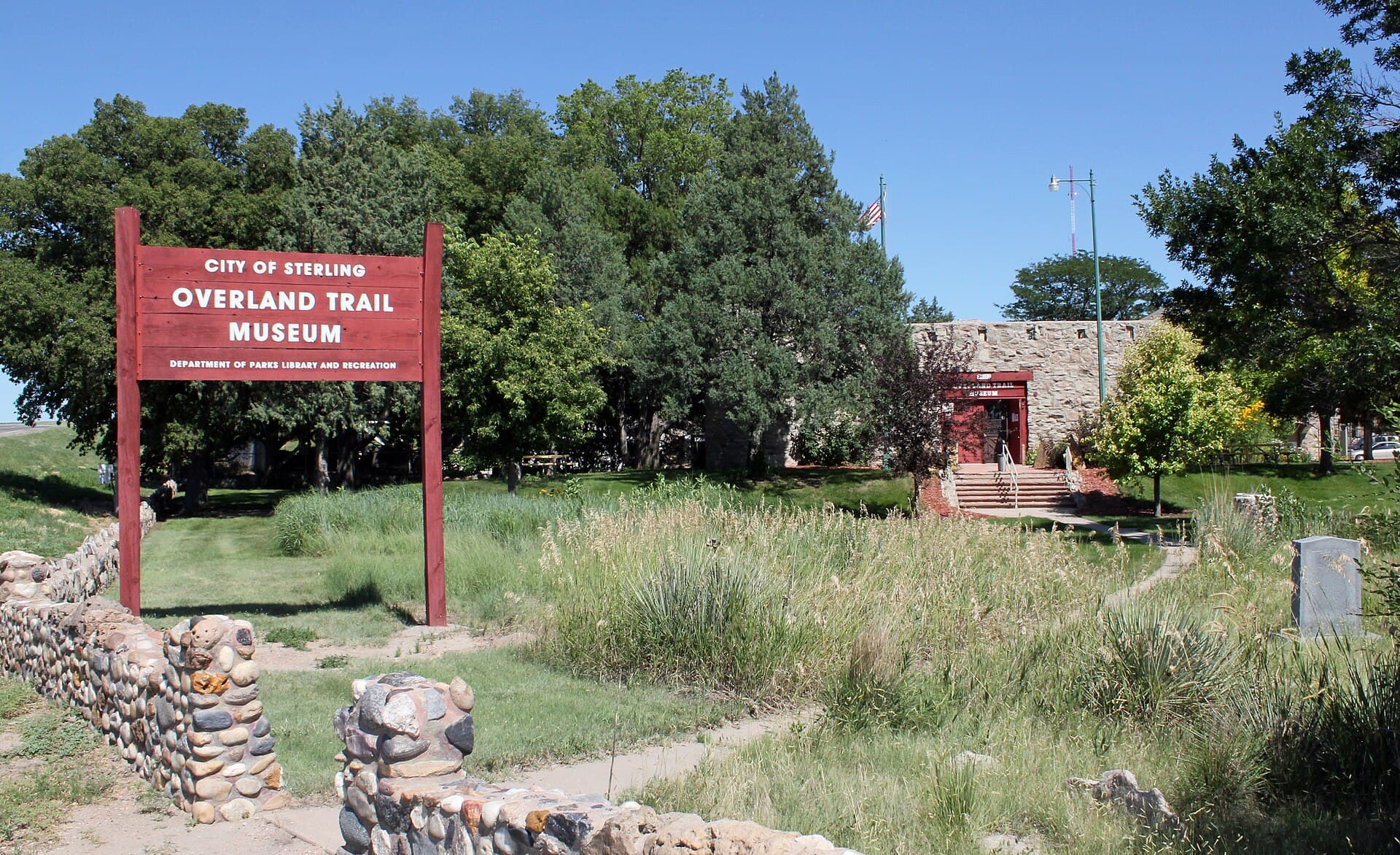
For Logan County residents, the broader history lands close to home. The county covers 1,845 square miles and had a population of 22,036 in the source cited, while Sterling, the county seat, had 18,211 residents. The museum’s program ties the plains story of agriculture and westward migration to the statewide rush for land, labor and opportunity that shaped Colorado’s communities, including the one gathering for coffee and conversation later this month.
This article was produced by Prism’s automated news system from verified source data, official records, and press releases, then run through automated quality and moderation checks before publishing. The system is built and supervised by the people who set the standards it runs under. Read our full AI policy.
Did this article answer your question?