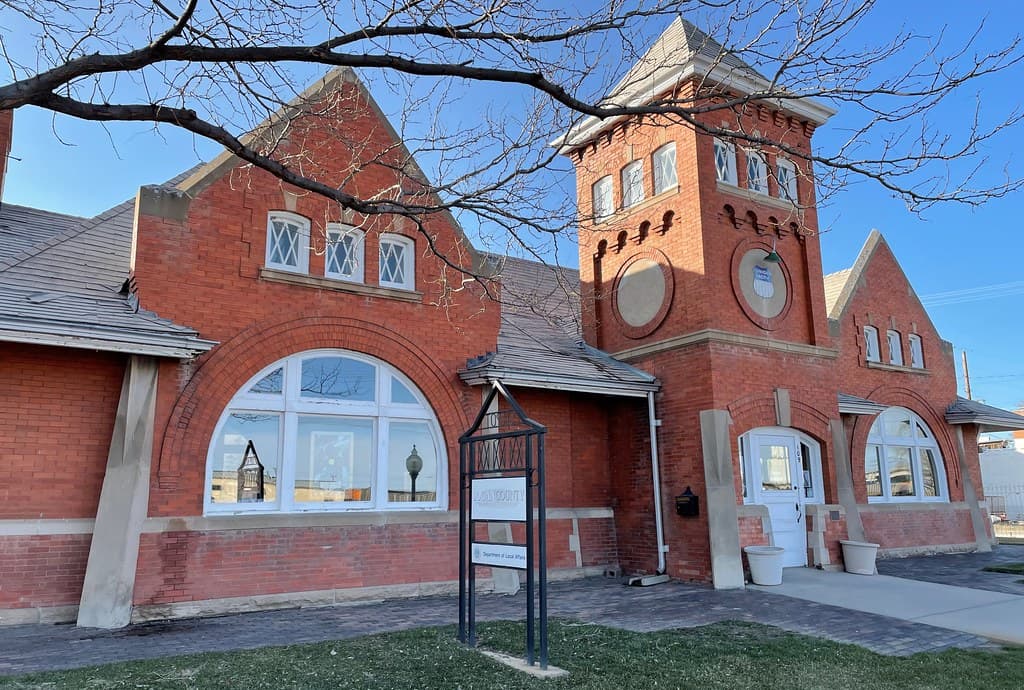
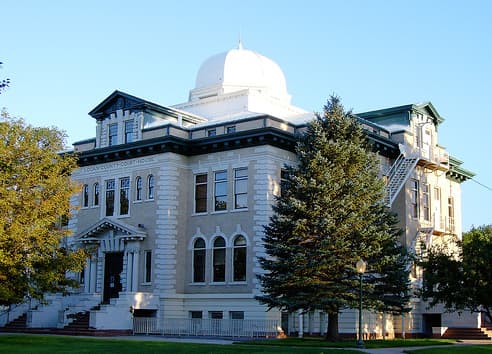
Regional well-being report highlights strengths, pressures across Logan County
Logan County’s biggest bright spot is also the surprise: every home runs on wind power, even as food access, aging residents and water stress squeeze the farm economy.
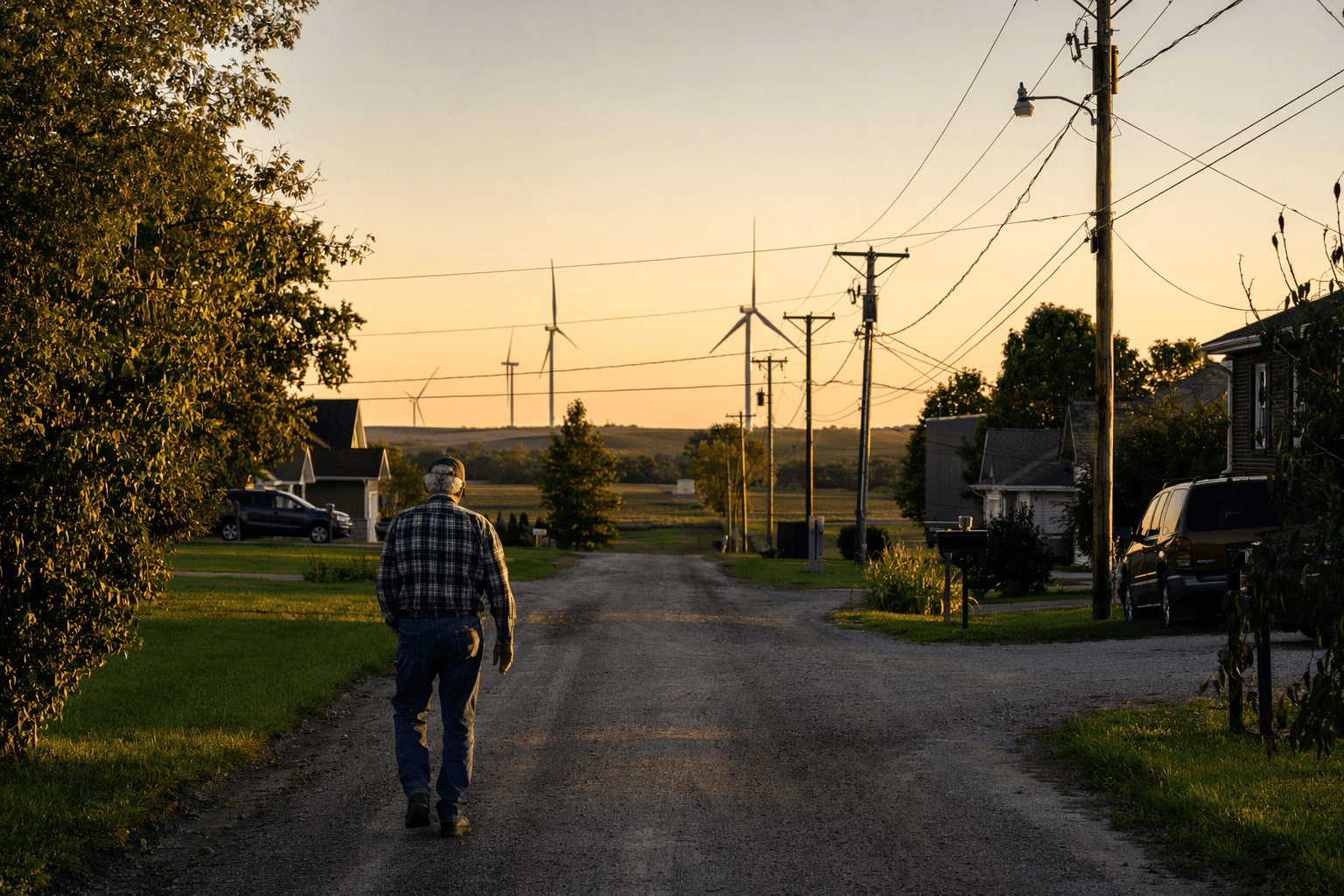
Wind power is the headline, but it does not erase the pressure test
Logan County has an unusual advantage: every residential customer in the county gets electricity from wind, and the region’s energy costs are among the lowest in Northeast Colorado. That is a real asset, but the new regional well-being report makes clear that cheap power cannot by itself steady farm incomes, fill grocery shelves, or keep young families rooted in rural towns.
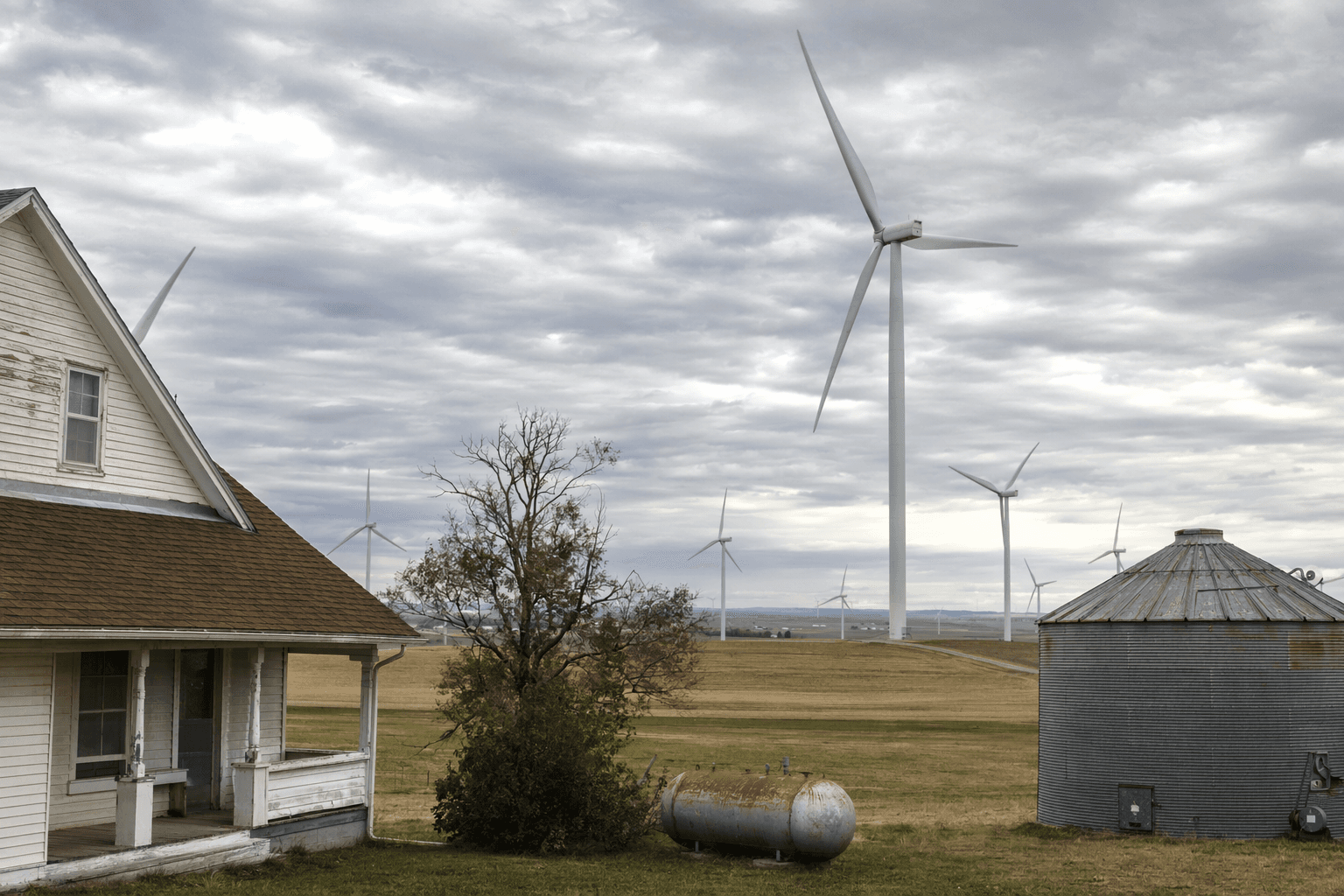
The report, unveiled in Sterling at Northeastern Junior College, is best read as a stress test for the six-county region around Logan County, not as a celebratory overview. It shows a place with deep agricultural strength and strong community ties, but also one where food access, housing, healthcare, water, and workforce pressures are building at the same time.
Agriculture still drives the region, and the stakes are high
Northeast Colorado remains an agricultural powerhouse. The report says five of the six counties are among Colorado’s top 10 agricultural producers, agriculture supports nearly half of the region’s 34,445 jobs, and annual agricultural revenue tops $3 billion. That scale explains why local identity and local economics are so tightly linked to farms and ranches across Logan County, Morgan County, Phillips County, Sedgwick County, Washington County, and Yuma County.
The warning hidden inside that strength is simple: prosperity at the production level does not guarantee stability at the household level. A region can post huge crop and livestock numbers while still leaving workers, seniors, and low-income families struggling with access to groceries, healthcare, and housing.
The clearest warning sign is food access, not food production
One of the report’s sharpest findings is that food insecurity in Northeast Colorado is higher than the state average. Sixteen percent of the population is enrolled in SNAP benefits, and limited grocery store options in rural communities make it harder for families to reliably buy what they need. In a county built on agriculture, that mismatch between output and access is the kind of problem county commissioners, city councils, school districts, and service providers cannot ignore.
That gap matters for daily life in very practical ways. When a family has to drive farther for groceries, pay more for what is available, or stretch food budgets because of fuel and housing costs, the stress lands everywhere else too. It shows up in school performance, health outcomes, worker retention, and the ability of small towns to keep basic services viable.
An aging population is changing the workforce equation
The report also points to a population profile that is shifting in ways local leaders will feel for years. Fewer young people are staying in the region, while healthcare needs are rising as the population ages. Across Northeast Colorado, 40% of farmers and ranchers are 65 or older, a figure that carries major implications for succession planning, labor availability, and the long-term continuity of family operations.
That aging trend is not limited to agriculture. The report says healthcare, construction, manufacturing, transportation, and services for older adults are all feeling workforce strain. For Logan County, that means the challenge is not just recruiting more workers, but figuring out how to train them, house them, and keep them in the area long enough for local employers to build stable teams.
Water, drought and weather losses are the long-term economic threat
If food access is the immediate warning, water is the structural one. The report says Northeast Colorado’s agricultural heritage and economic clout are facing threats from climate change, drought, depleting water sources, more severe storms, and invasive pests. It also estimates that natural hazards, mostly drought and severe storms tied to agricultural losses, caused $150 million to $200 million in economic damage across the region over the past decade.
That is not just an environmental issue. It is a balance-sheet issue for farms, a budget issue for towns, and a planning issue for county leaders. Decisions about water conservation, irrigation, rural infrastructure, and emergency preparedness will shape whether Logan County can preserve its agricultural base without putting even more pressure on households and public services.
There are real strengths to build on
The report is not a doom story. Logan County stands out in renewable energy, with 100% of residential electricity coming from wind power and the lowest energy costs in the region. The report also points to a rebounding oil and gas sector and a growing renewable energy industry as sources of economic opportunity. Those trends matter because they can broaden the tax base, support wages, and reduce the region’s dependence on a single sector.
The report’s message is that diversification is not a luxury. It is a resilience strategy. New industry can help keep wages stable and housing accessible, while continued investment in healthcare can support an older population and make the region more attractive to younger workers who might otherwise leave.
Sterling institutions are part of the answer
Northeastern Junior College is more than the location of the report release. It sits at the center of the region’s workforce pipeline and civic life, which is exactly why it mattered as a gathering place for this discussion. If Logan County is going to meet the report’s challenges, institutions like NJC will be essential for training workers, anchoring local talent, and connecting students to careers in healthcare, energy, agriculture, and technical trades.
The same is true for county government, city leaders, and regional partners who need to think beyond single-issue fixes. The report’s biggest takeaway is not that Logan County is failing. It is that the county, along with its neighbors, now has a clear set of pressure points and a shared starting point for action.
What this means for Logan County next
The report points toward a practical agenda: protect water, strengthen workforce pipelines, improve food access, and keep healthcare and housing from becoming bottlenecks to growth. Those priorities are linked. A family cannot stay if jobs are available but housing is not. A business cannot grow if workers cannot find care or groceries. A farming community cannot stay resilient if drought and aging labor keep tightening the margin for error.
Logan County still has room to maneuver, and the report makes that plain. The region’s strongest institutions, from wind generation to Northeastern Junior College to local governments, are holding up. The question now is whether leaders use that stability to make the harder investments that keep rural communities livable, not just productive.
This article was produced by Prism’s automated news system from verified source data, official records, and press releases, then run through automated quality and moderation checks before publishing. The system is built and supervised by the people who set the standards it runs under. Read our full AI policy.
Did this article answer your question?