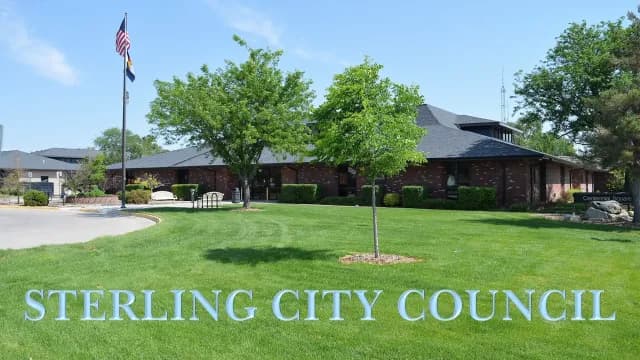
Sterling Correctional Facility remains a major Logan County employer
Sterling Correctional Facility anchors Logan County with state payroll jobs, public visibility, and ripple effects that reach businesses, families, and public services.
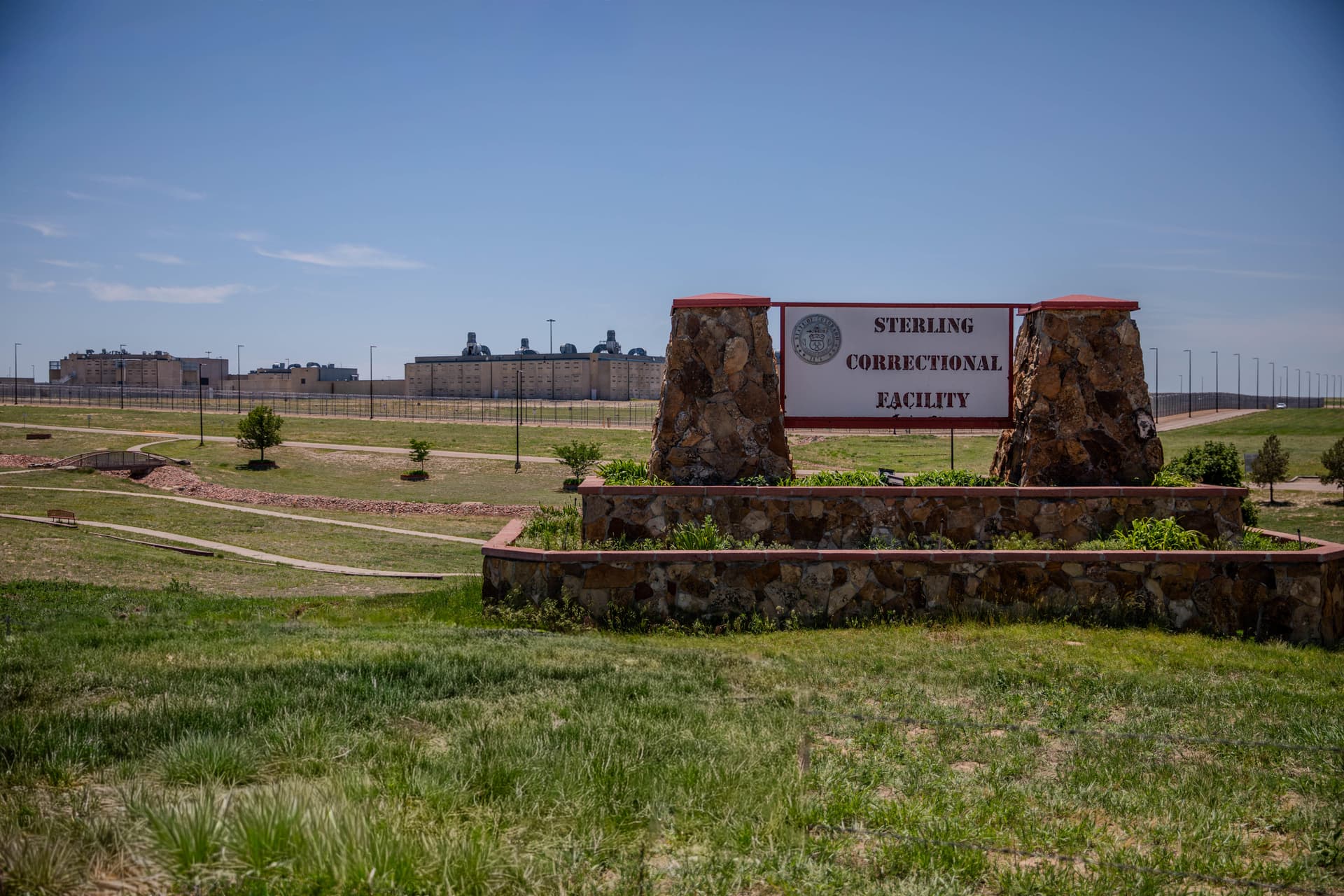
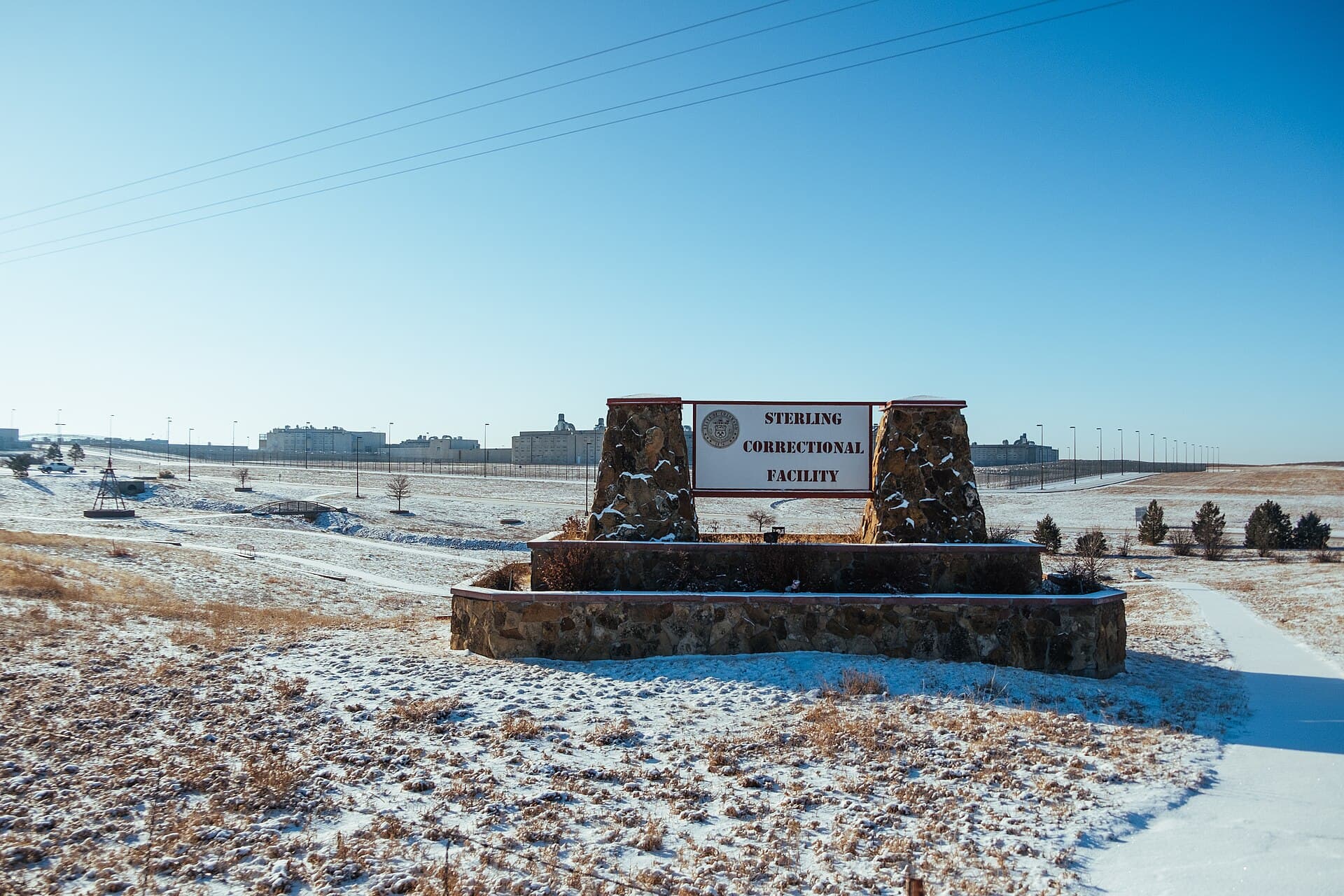
Sterling Correctional Facility sits in the northeast corner of Colorado, about 120 miles northeast of Denver, and its reach extends far beyond the 100 acres it occupies inside a larger 765-acre site. In Logan County, it is not just a prison on the outskirts of Sterling. It is a state institution that shapes hiring, traffic, government relations, and the county’s daily sense of itself.
A state institution built into Logan County
The Colorado Department of Corrections says Sterling Correctional Facility opened in June 1999 and houses multiple custody levels, including Minimum, Minimum-Restricted, Medium, and Close general-population inmates. The interior perimeter covers 80 acres, a reminder that the facility is physically large as well as operationally complex. Its DOC facility page also links to population and capacity information, underscoring that this is an active institution that is publicly tracked, not a static local landmark.
That scale matters in a county where a single state facility can ripple through multiple parts of the local economy. Sterling Correctional Facility is one of the most important public institutions in Logan County, and its footprint is visible in county planning, local commerce, and the way state corrections policy lands in Sterling.
Jobs, paychecks, and the local commercial network
Employment is the clearest way the prison shows up in day-to-day life. A Colorado state job posting for a Correctional Officer I at Sterling Correctional Facility, published May 14, 2025, listed a monthly salary range of $4,791 to $6,708. That is state payroll money circulating through Sterling and the surrounding area, helping support households that spend locally and depend on steady public-sector work.
The Logan County Chamber of Commerce also lists Sterling Correctional Facility in its business directory, a small but telling sign of how embedded the prison is in the county’s commercial network. Families visiting incarcerated relatives, attorneys, contractors, vendors, and corrections staff all move through Sterling’s roads, hotels, restaurants, and service businesses. When a facility of this size hires, fills shifts, or changes routines, the effects do not stay at the gate.
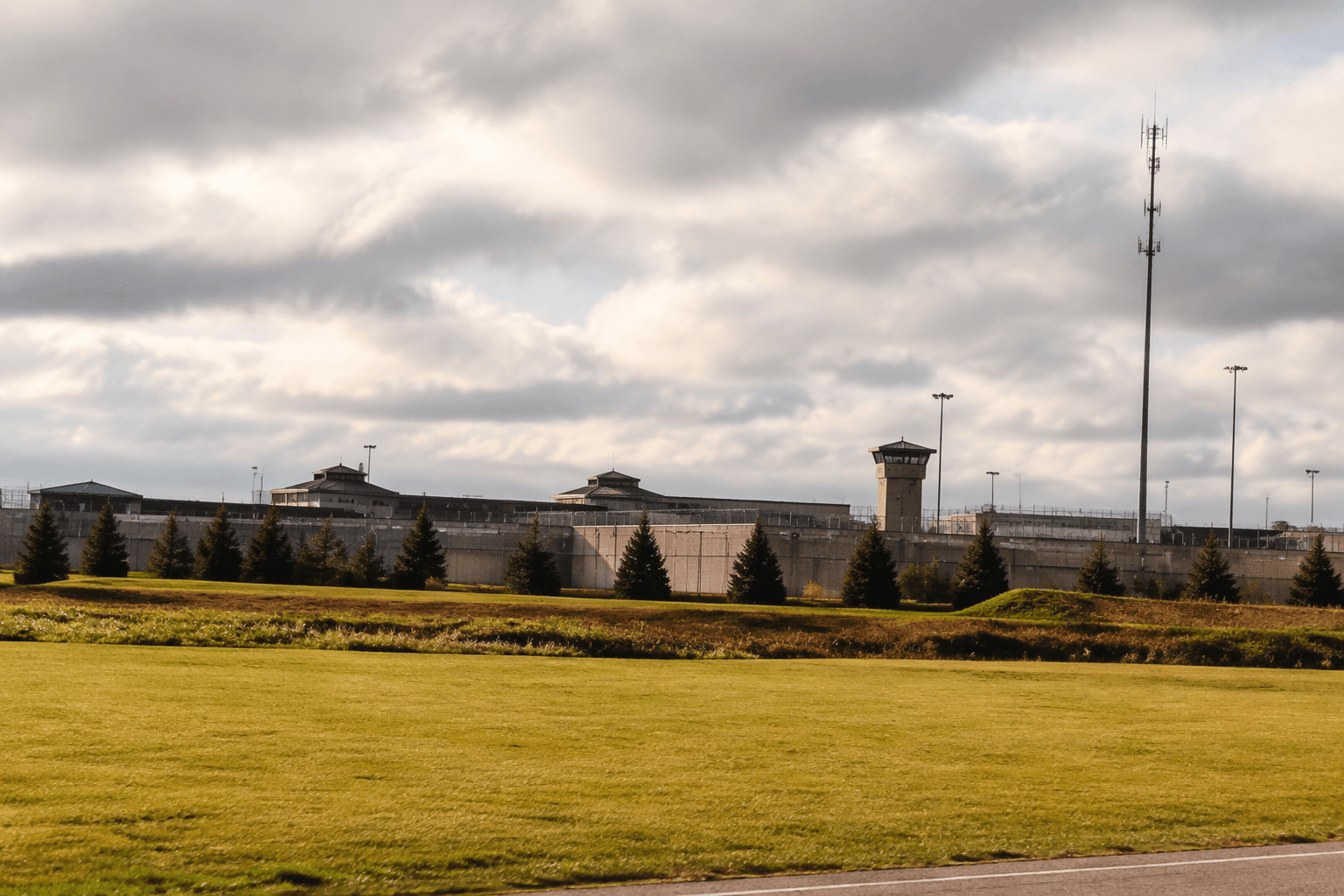
A Colorado DOC monthly population and capacity report showed the facility with an operational capacity of 2,416 beds and a population of 2,450 in an August report. That figure gives a sense of the scale involved: this is a large, crowded, heavily managed institution that requires staffing, supplies, maintenance, transportation, and administrative support every day.
Why the prison affects county services and identity
Logan County’s relationship with Sterling Correctional Facility reaches into public services as much as into jobs. The prison brings people, vehicles, and state oversight into a regional hub that already serves Sterling and nearby communities. Lodging, fuel, food service, transportation, and other support sectors all feel the presence of a large correctional complex that operates on a permanent schedule.
That dependence can also create tension. Local reporting on July 11, 2024 described the relationship between Sterling and the Colorado Department of Corrections as “a little strained, but it’s a relationship.” The line captures what many county residents understand instinctively: the prison is part of the local economy, but it is also a state-run institution whose decisions are made in Denver and felt in Logan County.
Because the facility is so central to the area’s institutional identity, any shift in staffing, operations, or policy would have consequences that extend well beyond the perimeter. A reduction in staff could affect local payrolls and service spending. A change in prison population could alter traffic, vendor activity, and the daily rhythm of the city. In Logan County, the prison is part of the infrastructure of ordinary life.
Public health made the prison a county issue
The clearest example of that spillover came during the coronavirus pandemic. On May 18, 2020, CBS Colorado reported that Logan County’s request for a variance from the state’s safer-at-home order was complicated by an outbreak at Sterling Correctional Facility. Eight days later, KUNC reported that Logan County had recorded 488 positive cases, with more than 90% of them at the correctional facility.
Colorado Newsline later reported on November 12, 2020 that four inmates had died from COVID-19 at Sterling Correctional Facility and that the number of cases stood at 712. Those numbers show how quickly a single institution can become a countywide public-health problem. In Logan County, the prison was not just a workplace or a state asset during the pandemic; it was a central site in the local outbreak and in the county’s negotiations with state officials.
Security, leadership, and a wider research role
Security incidents have also shaped how residents view the facility. The Sterling Journal-Advocate reported that inmate Douglas J. Alward made the first successful escape from Sterling Correctional Facility since it opened in 1999. The escape took place between 9:09 and 10:10 p.m. on a Sunday night, prompting search teams from across Colorado to look for him. Events like that reinforce how the prison’s operations can suddenly become a matter of countywide attention.
Leadership changes at the prison matter as well. In August 2019, Associate Warden Jeff Long was named warden after serving as interim warden since April 2019. Changes at that level can affect staffing, internal management, and the working relationship between the facility and the communities around it.
The prison has also been used as a site for correctional research and innovation. The University of Denver’s Prison Research and Innovation Network described a voluntary partnership between Sterling Correctional Facility and a University of Denver research team. That kind of collaboration adds another layer to the facility’s role in Logan County: it is not only a place of custody and employment, but also a setting where state policy, academic research, and correctional practice intersect.
For Logan County, Sterling Correctional Facility remains one of the clearest examples of how a single institution can shape a local economy and a local identity at the same time. Its jobs, vendor activity, public-health impact, and civic visibility make it a fixture in Sterling’s daily life, and any change in how it operates would be felt well beyond its 80-acre interior perimeter.
This article was produced by Prism’s automated news system from verified source data, official records, and press releases, then run through automated quality and moderation checks before publishing. The system is built and supervised by the people who set the standards it runs under. Read our full AI policy.
Did this article answer your question?