USDA to host prevented planting meeting at Logan County Fairgrounds 1
Logan County growers facing drought and planting delays will get USDA guidance at the fairgrounds May 1, with acreage reports and prevented planting benefits on the line.
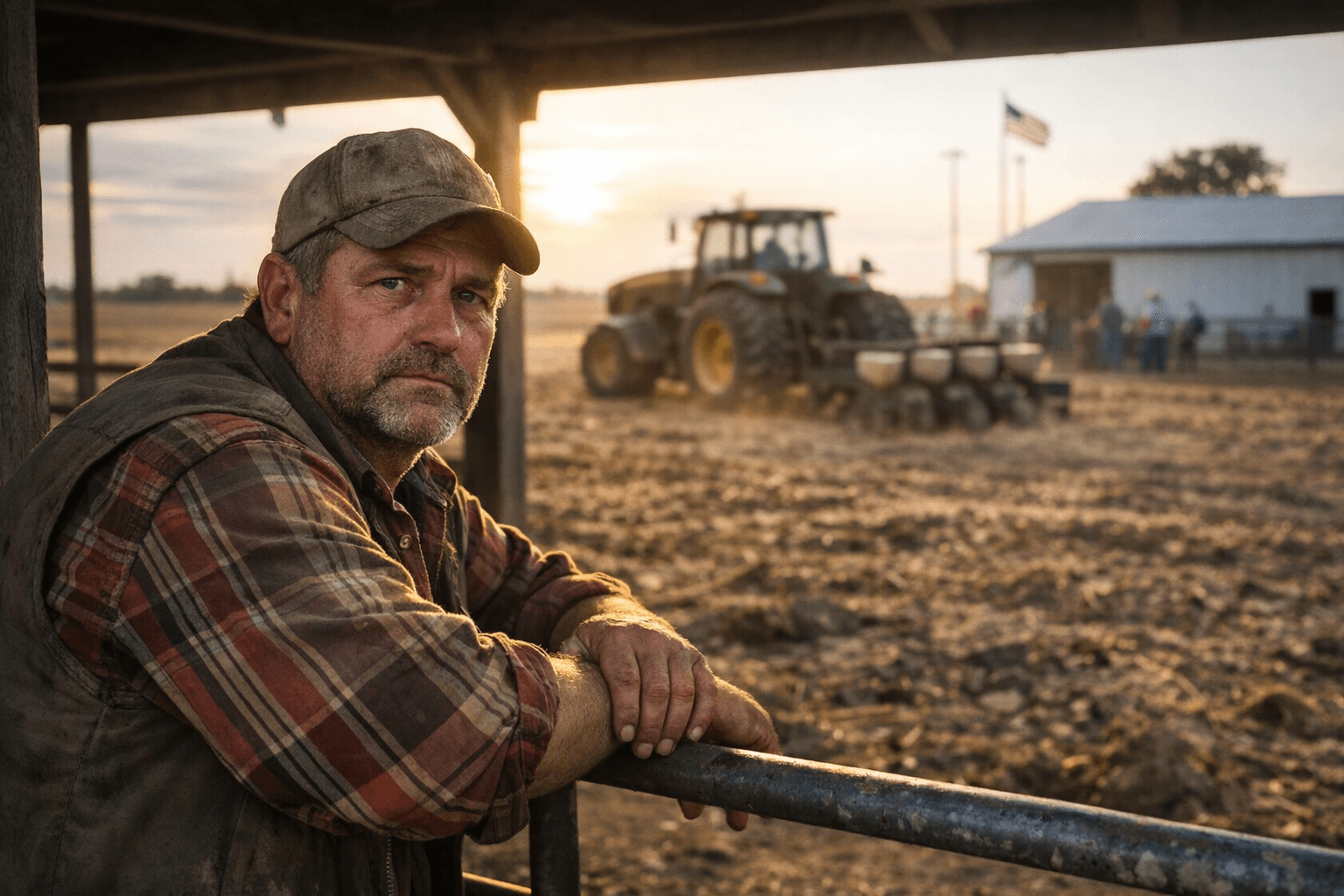
USDA Farm Service Agency staff will meet Logan County producers at the Logan County Fairgrounds in Sterling on May 1 to walk through prevented planting issues that can affect crop insurance coverage, acreage reports and USDA benefits. The session is aimed at growers dealing with planting problems and comes as many local fields remain under pressure from drought.
The meeting is set for 1120 Pawnee Avenue, a county facility that Logan County says is available for public use for agricultural events and other community gatherings. For producers trying to decide how to document acres that were never planted, the timing matters. USDA’s Risk Management Agency says prevented planting coverage can provide protection when extreme weather keeps expected crops from getting in the ground.
Logan County’s conditions make the discussion especially relevant. Drought.gov lists 100% of the county’s population as affected by drought, and its data shows January through March 2026 ranked as the 13th driest year-to-date on record for Logan County over the last 132 years. The Sterling outlook page also includes forecast data valid for May 1 through May 7, the same window as the meeting.
That is where the federal paperwork turns from technical to practical. FSA says crop acreage reports should include failed acreage and prevented planted acreage, and it warns that filing an accurate and timely report for all crops, locations and land uses may prevent the loss of benefits. For producers weighing whether to claim prevented planting, the meeting offers a chance to ask how local acres should be documented before those decisions affect payments or other program eligibility.
USDA’s 2026 Prevented Planting Standards Handbook also makes clear that the provisions apply to 2026 and later crop years, not to 2025 or earlier. For Logan County growers, that distinction matters because this year’s paperwork will determine how federal farm programs respond to weather-hit acres going forward.
This article was produced by Prism’s automated news system from verified source data, official records, and press releases, then run through automated quality and moderation checks before publishing. The system is built and supervised by the people who set the standards it runs under. Read our full AI policy.
Did this article answer your question?