Weekend guide spotlights Sterling history, parks and local attractions
Logan County is selling a short stay, with downtown Sterling, North Sterling Reservoir and hotel rooms starting around $79 a night.
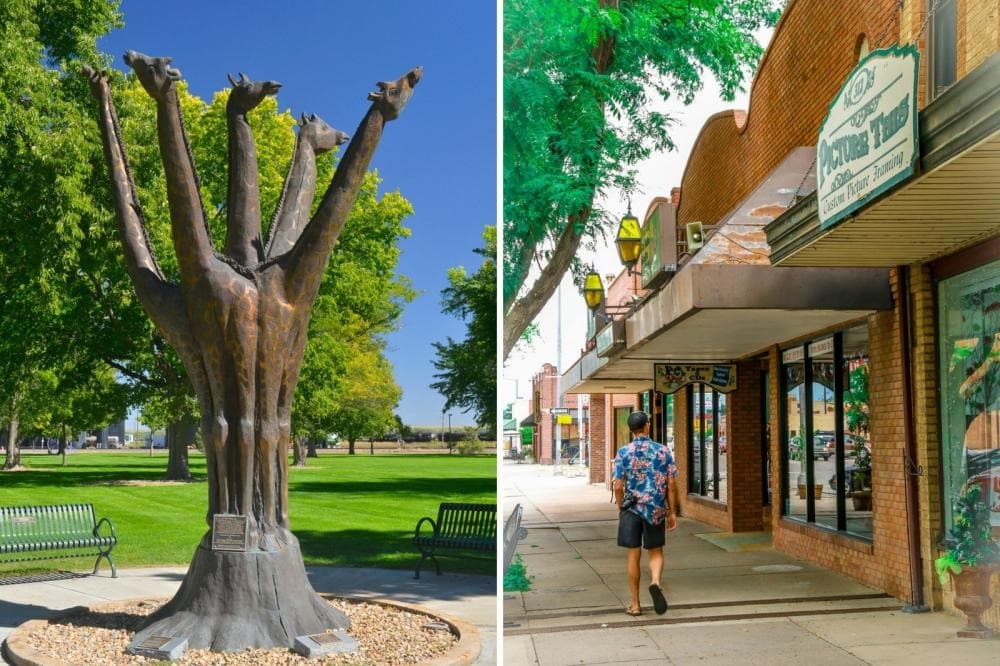
Sterling is trying to sell Logan County as more than a place to pass through on I-76. The pitch is compact and deliberate: downtown history, murals, Bradford Rhea tree sculptures, the Overland Trail Museum and North Sterling State Park, all close enough to turn a road stop into a weekend. In a county of 21,528 people in the 2020 Census and an estimated 20,654 in 2025, with 1,838.6 square miles of land, that is a serious bet that visitor spending can stick rather than leak back onto the interstate.
The county’s first stop
The county has built an official welcome mat at Exit 125. The Logan County Tourist Information Center sits in the Colorado Department of Transportation rest area at the east entrance to Sterling, and the county says it is funded by the lodging tax fund so travelers can get directions, maps and a first read on the county. The same county page says the center averages 70,000 to 80,000 visitors a year, and county tourism materials add that people who stop at visitor centers tend to stay longer and spend more, which is the whole theory behind the Logan County pitch.
That theory is visible in the way Sterling is described to travelers. Colorado tourism pages point visitors toward the Overland Trail Museum, two 18-hole golf courses, wildlife viewing, walk and bike paths, North Sterling Reservoir State Park, the Logan County Fair & Rodeo, Sugar Beet Days, historical downtown buildings, unique gift and antique shops, great food and quality lodging. July Jamz, the free summer concert series on the courthouse square, gives the town another reason to linger after dinner instead of heading back to the highway.
History is part of the sales pitch
That strategy leans on a long local story. Logan County was formed by the Colorado State Legislature on February 25, 1887, after being part of Weld County, and Logan County itself carries the name of General John A. Logan. Sterling’s Downtown Historic District was listed on the National Register of Historic Places in 2013, which gives the downtown stroll more than decorative value. The Overland Trail Museum, opened in 1936 as a Works Progress Administration project, keeps the westward migration narrative visible, while the county history pages tie the area to the Overland Trail and to early travelers such as Stephen H. Long, who passed through in 1820.
That history is not just background, it is the framework for how Logan County markets itself. A visitor can move from downtown storefronts to museum exhibits to a courthouse square without needing a complicated itinerary, and that is exactly the kind of low-friction trip that can work for families, road-trippers and residents looking to rediscover what is close by. The county’s preservation pitch and its commercial pitch are linked: historic buildings, public art and local shops are all part of the same effort to make Sterling feel like a place worth stopping for.
North Sterling is the outdoor anchor
North Sterling State Park is the trip’s real magnet. Colorado Parks and Wildlife calls the reservoir the park’s main attraction, and says the water spans about 3,000 surface acres, with boating, fishing, pioneer history and prairie views front and center. The park’s recreation lease dates to 1958, it has three campgrounds, and its trail system runs about 6.5 miles, which makes it easy to see why the park remains a place where a day trip can stretch into a night on the water.
The attraction is not only the lake itself. Visitors can launch from boat ramps, fish shoreline coves, hike short trails to Balanced Rock and Sunset Point, and use the park as a base for camping or a simple day on the reservoir. Colorado Parks and Wildlife also notes that North Sterling draws both locals and tourists from May through September, which tells you the park is already doing the heavy lifting when the weather turns warm.
What a weekend actually costs
A simple weekend can stay fairly lean if you treat Sterling as a basecamp rather than a resort town. Current hotel listings in town show rooms starting at $79.20 a night at the Super 8, about $116.20 at the Best Western Sundowner and $125 a night at the Comfort Inn, which puts a two-night stay at roughly $158.40 to $250 before taxes and fees. If you camp at North Sterling, reservations are required and the park sells permits through its visitor center, so the cheapest overnight option is still built around planning ahead rather than spontaneity.
That price range matters because it keeps the county’s promise grounded. Logan County is not trying to compete with a mountain resort or a luxury destination; it is offering a workable weekend that can be assembled around a hotel room, a campground, a few meals and the fuel it takes to move between downtown Sterling and the reservoir. For travelers, that makes the trip accessible. For local businesses, it makes the difference between a quick pass-through and a stay.
Who gains when visitors stay
The real test is whether Logan County can keep some of the money that now moves through it. North Sterling reports around 250,000 visitors a year, Sugar Beet Days brings 200-plus food and craft vendors and two full days of entertainment to Historic Logan County Courthouse Square, and the Logan County Fair & Rodeo was listed for July 23 to August 2, 2026, with more than 15,000 expected visitors. Add the county’s estimated 20,654 residents to 1,838.6 square miles of ground, and the tourism push starts to look less like boosterism than a way to support restaurants, shops, lodging and event vendors across Sterling and the surrounding plains communities.
That is the point of the county’s pitch: if Sterling can turn one exit, one downtown and one reservoir into a coherent weekend, Logan County keeps more of the travelers it already sees. In a place that has spent generations being crossed by other people on their way somewhere else, that is a modest but meaningful economic argument.
This article was produced by Prism’s automated news system from verified source data, official records, and press releases, then run through automated quality and moderation checks before publishing. The system is built and supervised by the people who set the standards it runs under. Read our full AI policy.
Know something we missed? Have a correction or additional information?
Submit a Tip