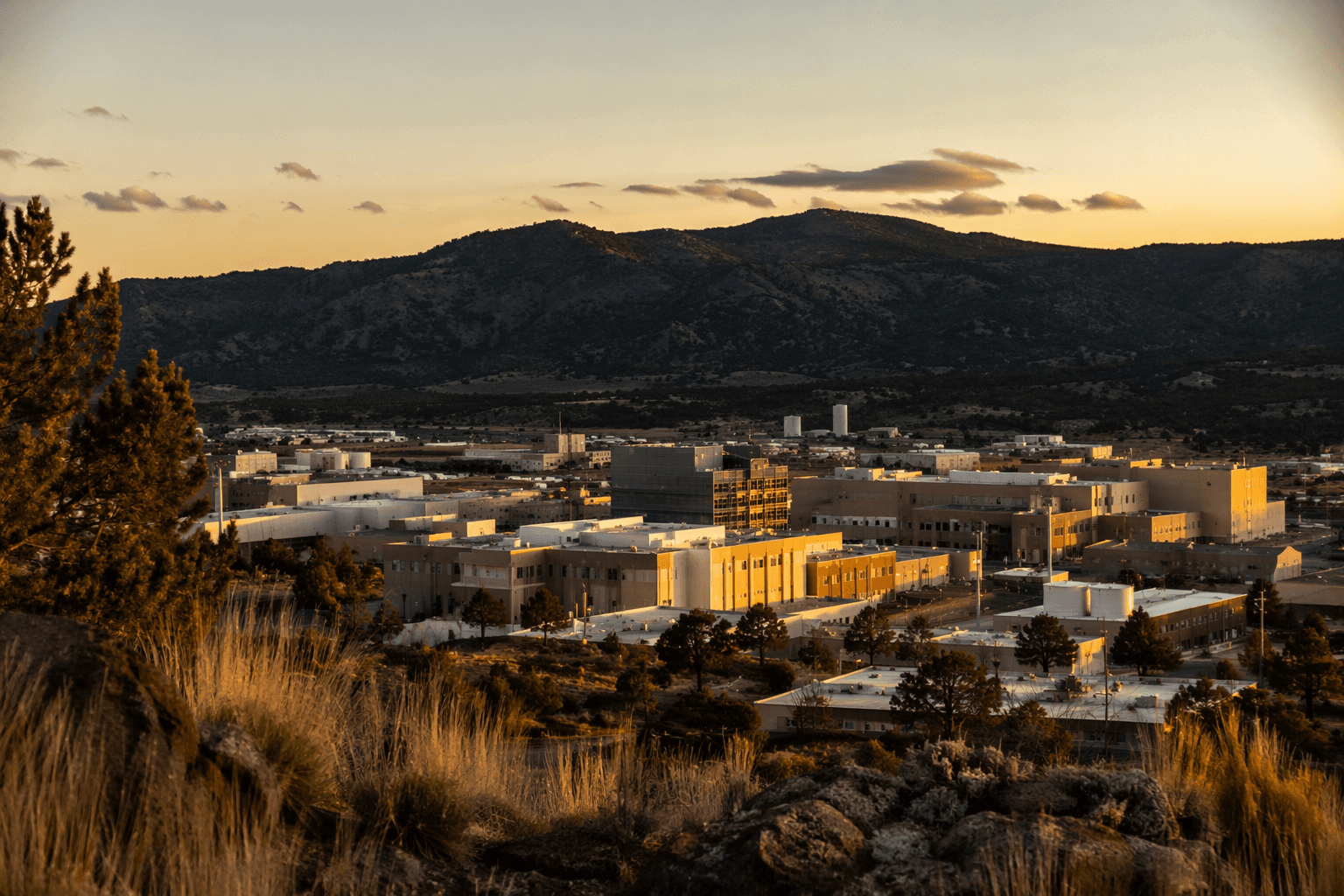
DOE extends Los Alamos cleanup contract through April 2028
DOE kept N3B on Los Alamos cleanup through April 2028, even as the next contract is already being planned for waste, water and demolition work.

The biggest legacy cleanup jobs at Los Alamos National Laboratory are still ahead of the county, and the U.S. Department of Energy has now kept Newport News Nuclear BWXT-Los Alamos, LLC on the work through April 2028. The extension covers the final option period in a contract N3B says is worth about $2.1 billion, with DOE materials and trade coverage placing it closer to $2 billion to $2.2 billion.
That means the current cleanup program, already running since April 2018, will continue through a decade of work on contaminated soils, water protection and the off-site disposal of radioactive and other wastes. DOE’s Environmental Management Los Alamos Field Office oversees the legacy cleanup contract, while the National Nuclear Security Administration continues to oversee LANL’s weapons-related mission.
N3B’s performance record helps explain why the company is still in place. DOE’s Los Alamos contract page lists award-fee scorecards for fiscal years 2018 through 2025, including 77 percent of available fee in fiscal 2022 and 79 percent in fiscal 2024. Those scores show DOE has not treated the contract as a blank check; they also suggest the agency saw enough steady execution to keep the same contractor on the job during the final phase.
For Los Alamos and northern New Mexico, the practical test is whether the remaining cleanup work keeps moving toward measurable risk reduction. N3B has said its work has included protecting water supplies, cleaning up contaminated soils and shipping waste to the Waste Isolation Pilot Plant near Carlsbad. Company presentations say it has moved substantial quantities of transuranic waste and low-level mixed waste out of Los Alamos since 2018.
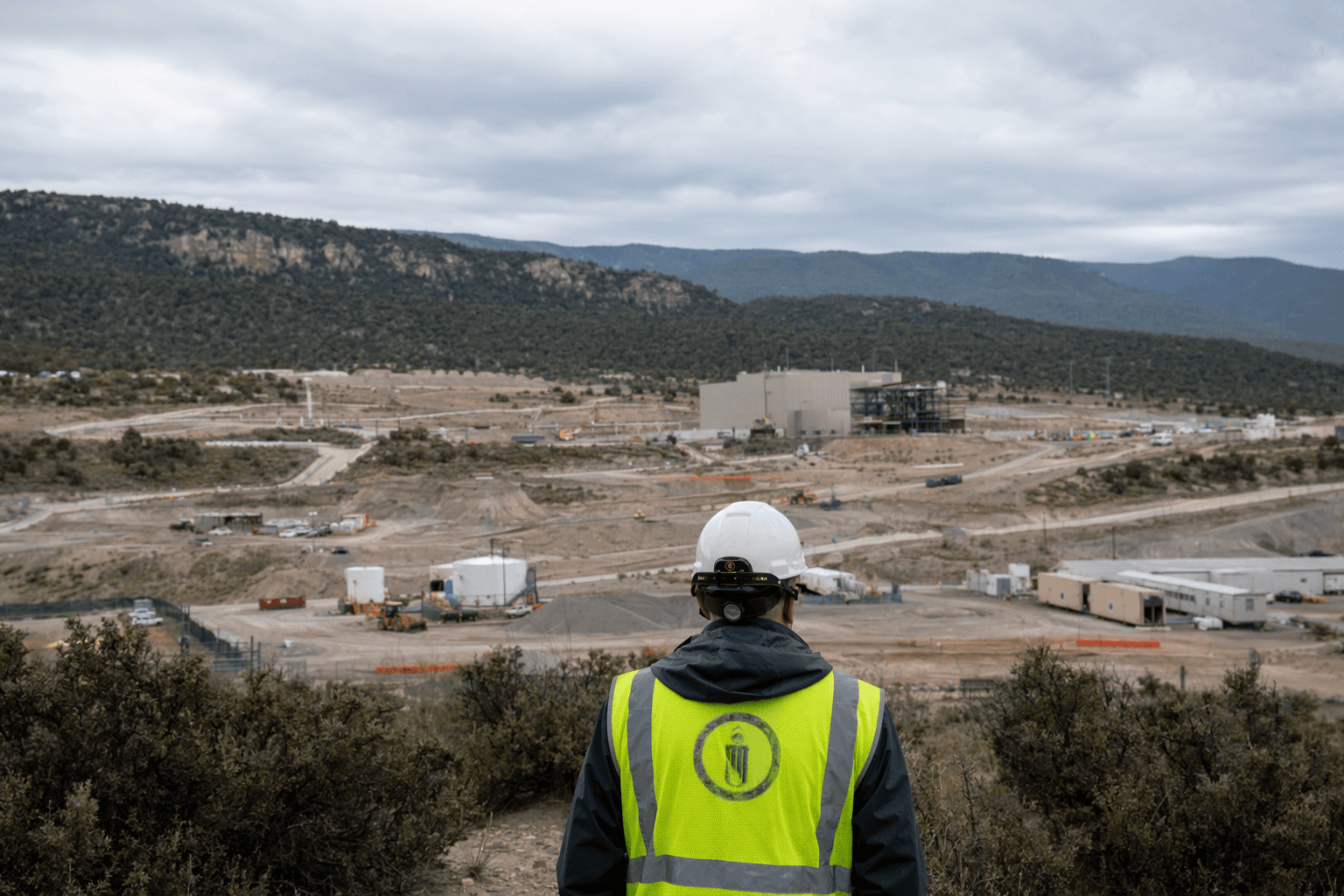
The next phase is already on DOE’s radar. The agency is in acquisition planning for a potential Los Alamos Cleanup Contract II that would cover legacy transuranic waste and mixed low-level and low-level waste disposition, decontamination and demolition of excess facilities, soil and water remediation, groundwater remediation and environmental monitoring.
That makes April 2028 less of an ending than a handoff point. If the work slips, contaminated soil, groundwater and surplus facilities will remain in place longer, and the county will spend more time waiting for the cleanup milestones that matter most.
This article was produced by Prism’s automated news system from verified source data, official records, and press releases, then run through automated quality and moderation checks before publishing. The system is built and supervised by the people who set the standards it runs under. Read our full AI policy.
Did this article answer your question?