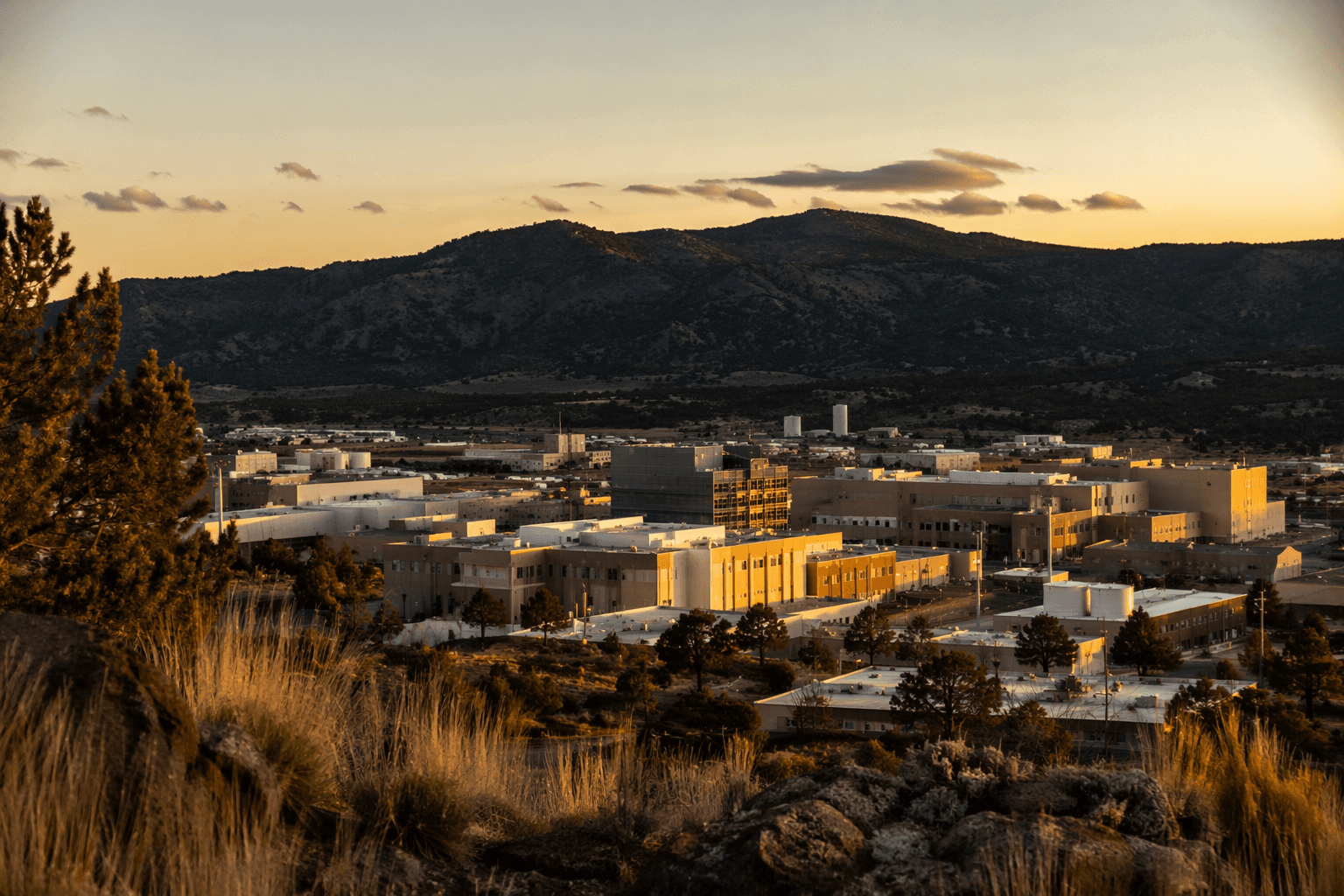
Federal approval clears way for major LANL expansion, county divided
Federal approval put millions of square feet of LANL growth on the table, raising housing, traffic and water worries in a county that already sees 10,000 lab commuters a day.
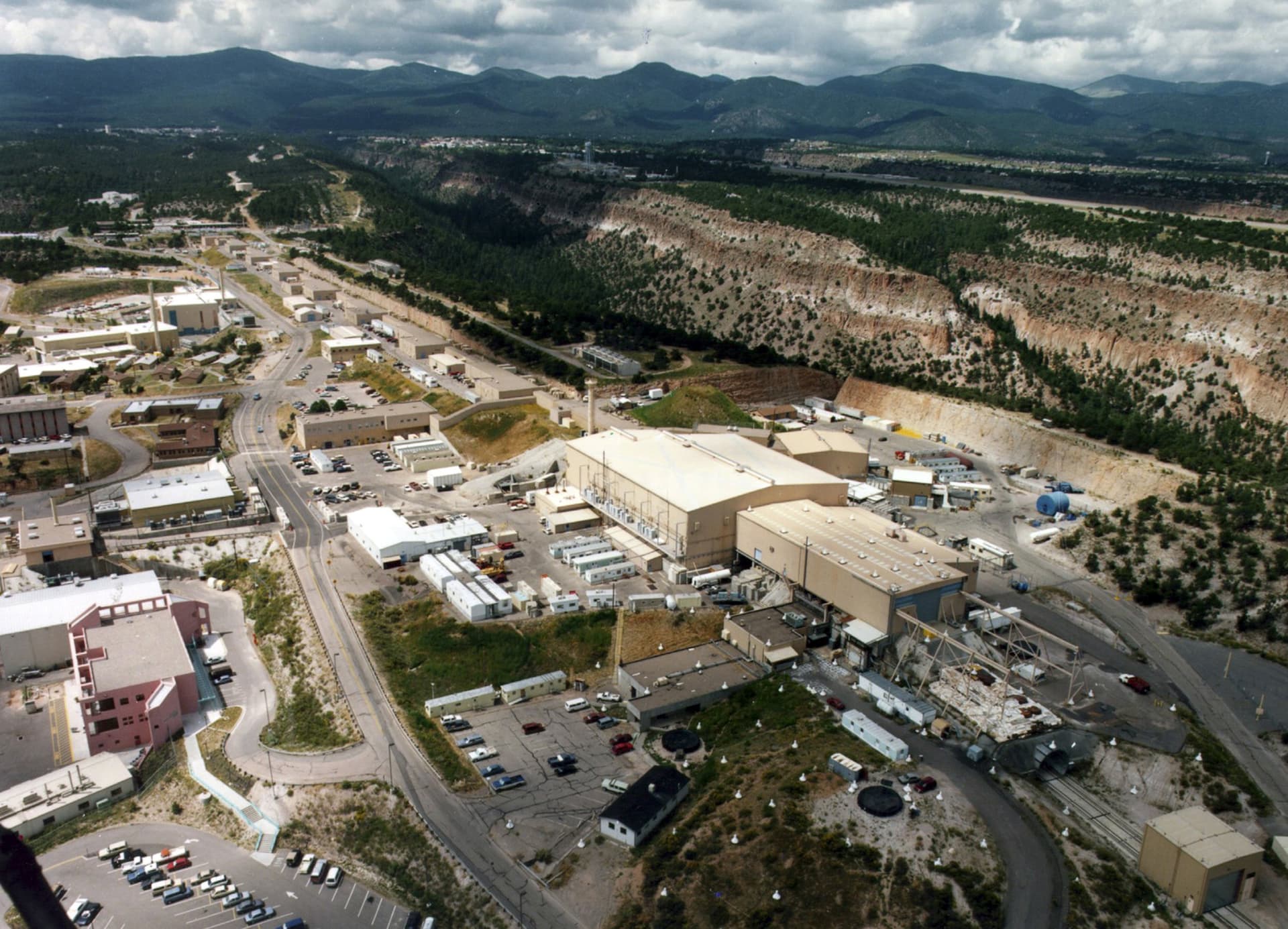
Federal approval has opened the door to a major Los Alamos National Laboratory expansion, and Los Alamos County is already wrestling with the local bill: more housing pressure, more traffic on the hill, more demand on infrastructure and more scrutiny over water and environmental risk.
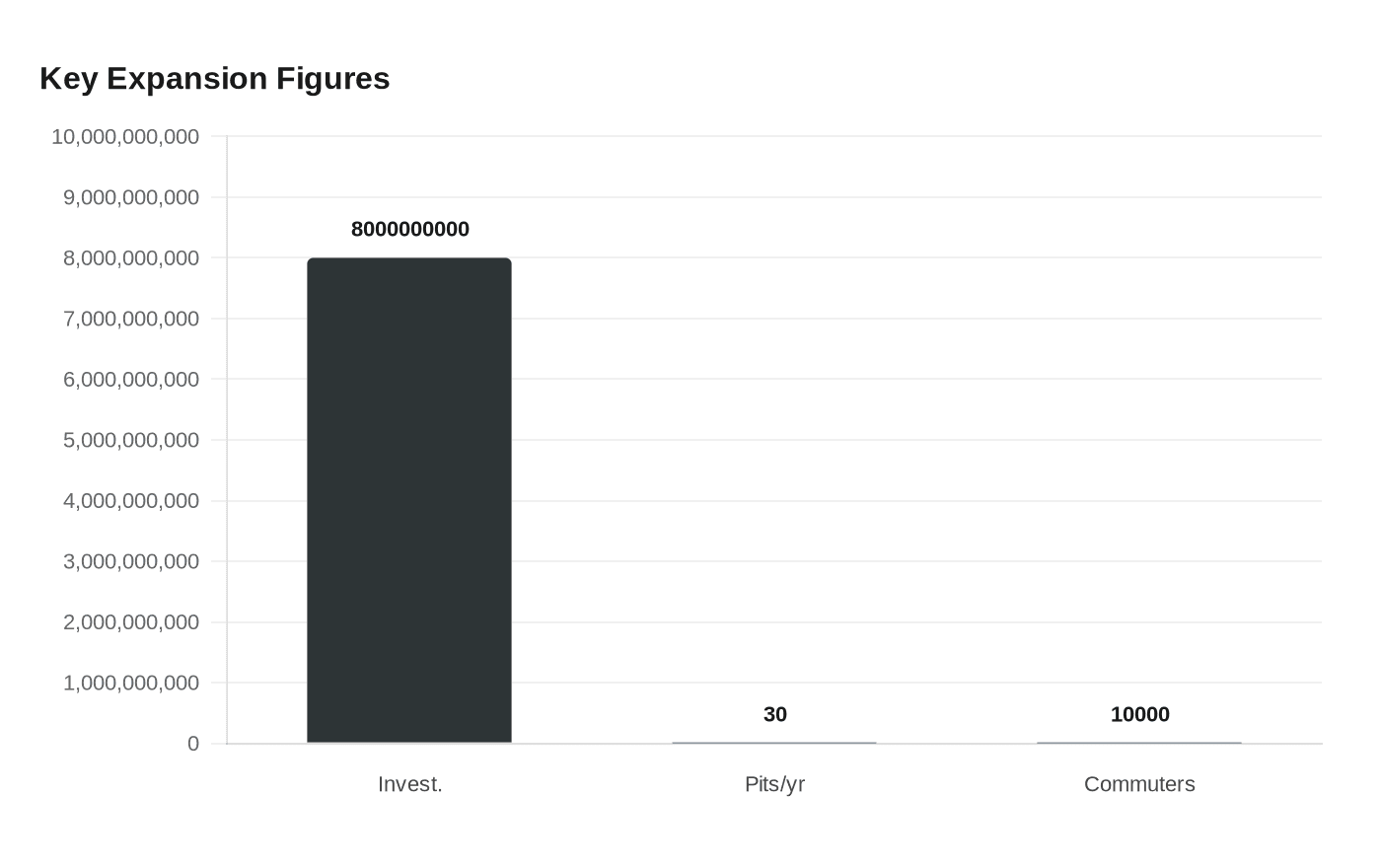
The National Nuclear Security Administration’s final site-wide environmental review selected the expanded-operations alternative for LANL after weighing three options, no-action, modernized operations and expanded operations. The plan can include offices, warehouses, solar arrays and a replacement for the Los Alamos Canyon bridge, part of a broader buildout tied to plutonium pit production. LANL says NNSA plans to invest nearly $8 billion over the next decade to support infrastructure needed to manufacture at least 30 plutonium pits per year by 2030.
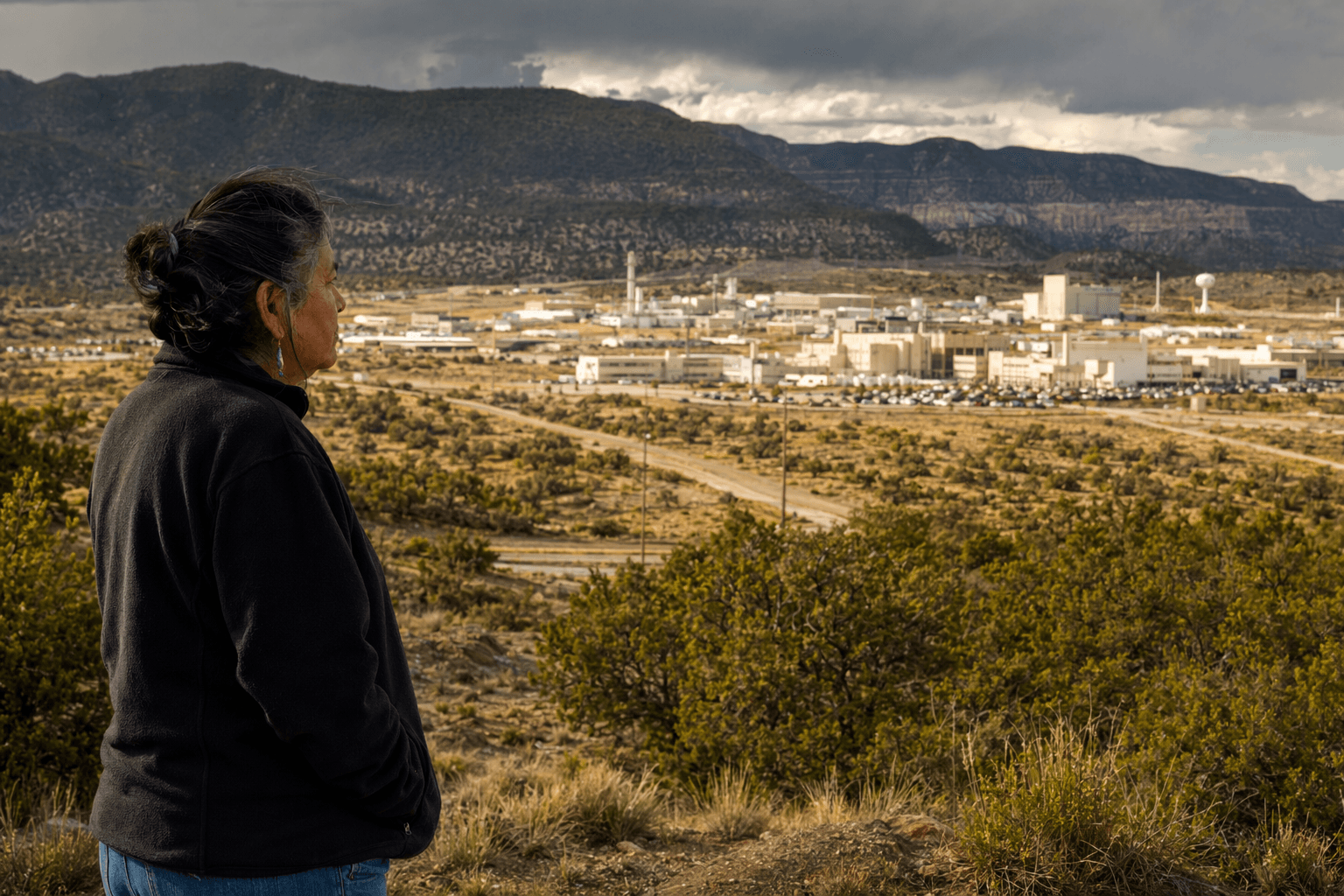
That scale is why the county’s debate is not just about construction. Los Alamos County says LANL brings about 10,000 commuters into the community each workday, and county officials have warned that the lab’s growth is increasing demand on housing, broadband, emergency response, traffic safety and public safety. County Council has backed the expansion because of the prospect of hundreds of jobs and more economic activity, but Councilor Randall Ryti has raised concerns that a larger laboratory footprint could deepen the county’s housing shortage and worsen congestion.
The county’s financial picture adds another layer. Officials have warned that without a gross receipts tax adjustment, Los Alamos County could face deficits of $16 million to $20 million beginning in fiscal year 2027. At the same time, the county has pushed for more land or more housing options so workers do not spend as much time on the roads, making the Los Alamos Canyon bridge replacement one of the few parts of the expansion that has broad local appeal.
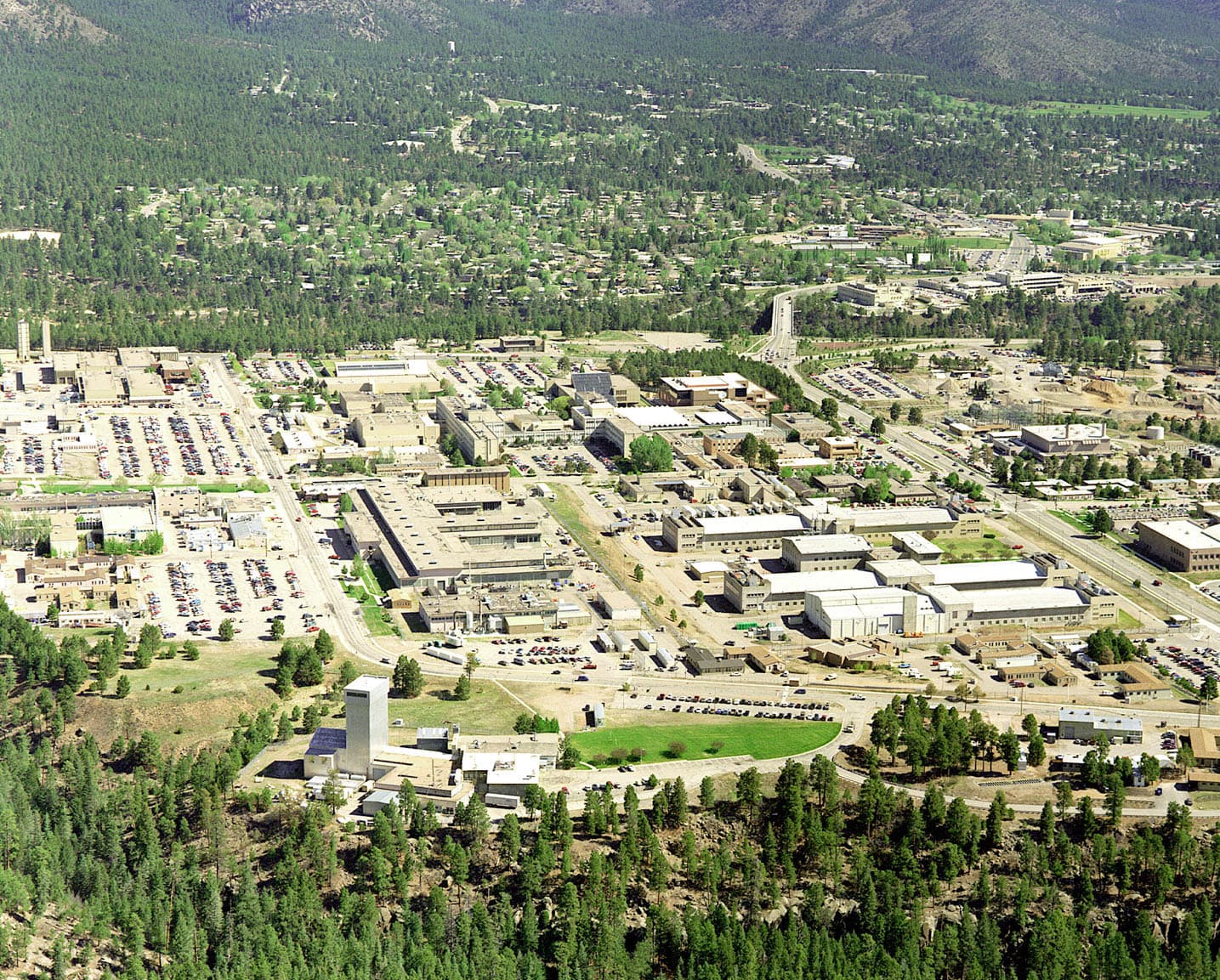
The housing squeeze has reached Washington. In April, Sen. Martin Heinrich said housing in Los Alamos is limited because it is an “island community on top of a mesa,” and NNSA officials told him housing is a barrier to hiring and retention in the Los Alamos area. They said a study on possible solutions was expected later in the summer.
Outside Los Alamos County, the response has been sharper. The Santa Fe County Commission has signaled opposition to the expansion and said it supported the no-action alternative that would keep cleanup going without growth. Its draft letter warned that LANL pollution enters the Rio Grande watershed, a source of much of Santa Fe County’s drinking water.
Environmental pressure is already active at the lab. The New Mexico Environment Department issued administrative compliance orders on Feb. 11 to address the hexavalent chromium plume at LANL, and the U.S. Department of Energy says it has worked with state, county and Pueblo de San Ildefonso partners on chromium characterization and treatment since 2004. For Los Alamos, the expansion now sits at the center of a familiar tradeoff: economic dependence on the lab against the mounting cost of making room for it.
This article was produced by Prism’s automated news system from verified source data, official records, and press releases, then run through automated quality and moderation checks before publishing. The system is built and supervised by the people who set the standards it runs under. Read our full AI policy.
Did this article answer your question?