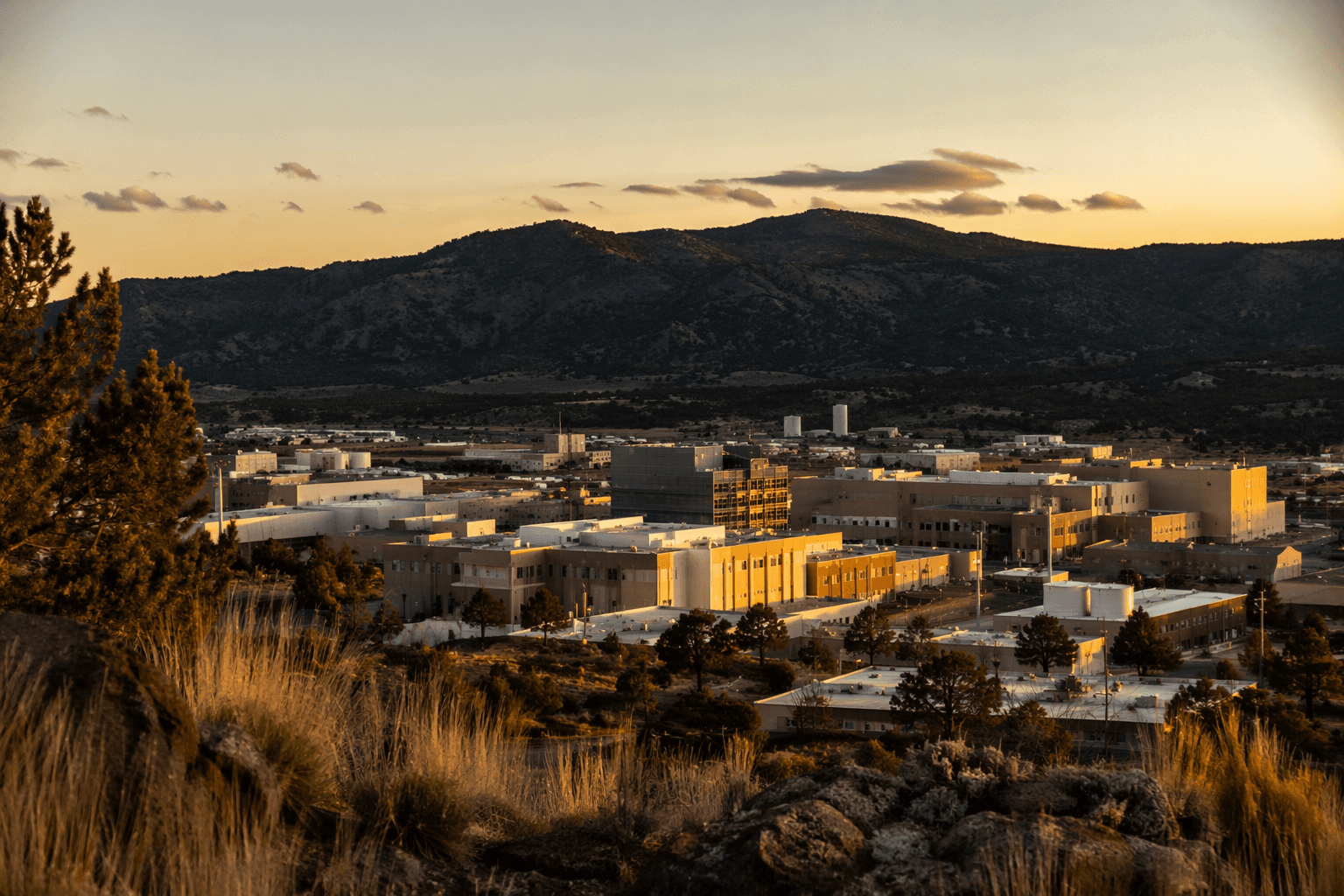
Energy secretary touts Los Alamos plutonium science ramp-up
Chris Wright praised Los Alamos plutonium science as the lab pushes toward 30 pits a year, a ramp-up that could bring federal dollars and tougher scrutiny to PF-4.
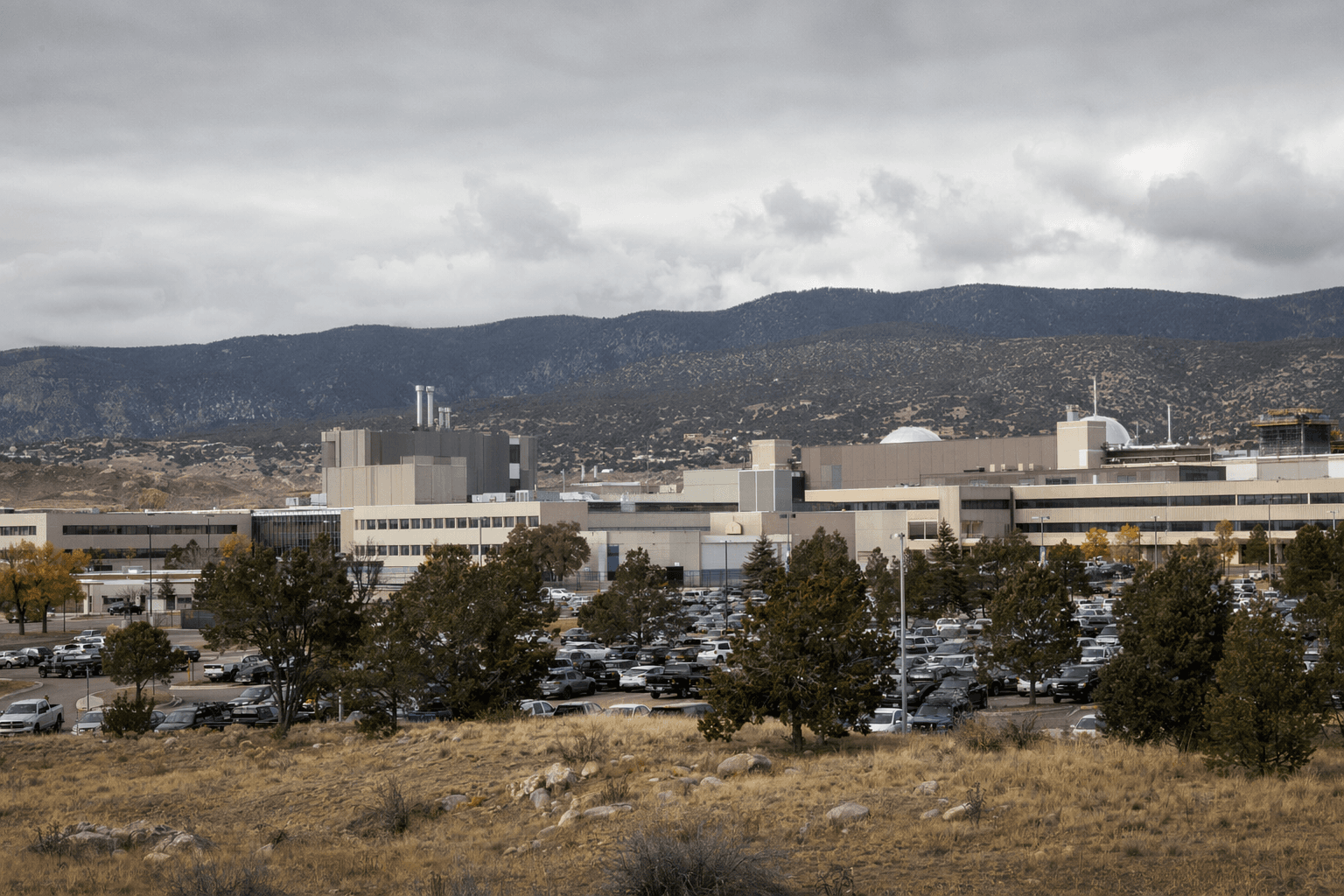
Energy Secretary Chris Wright put Los Alamos back at the center of the nation’s nuclear debate as the lab pushes to expand plutonium work and modernize PF-4, the aging facility that underpins its pit-production mission. For Los Alamos County, the stakes are not abstract: more federal activity means more investment and more pressure on the lab’s infrastructure, safety systems and the surrounding community.
Wright has made the lab a recurring stop in his early tenure. During his first visit to Los Alamos National Laboratory on Feb. 24, 2025, he called it the nation’s “brain trust in national security” and said he wanted to remove barriers for science and industry over the next four years. That message landed in a county that has long lived with the benefits and burdens of federal nuclear work, from the Manhattan Project to today’s stockpile stewardship mission.
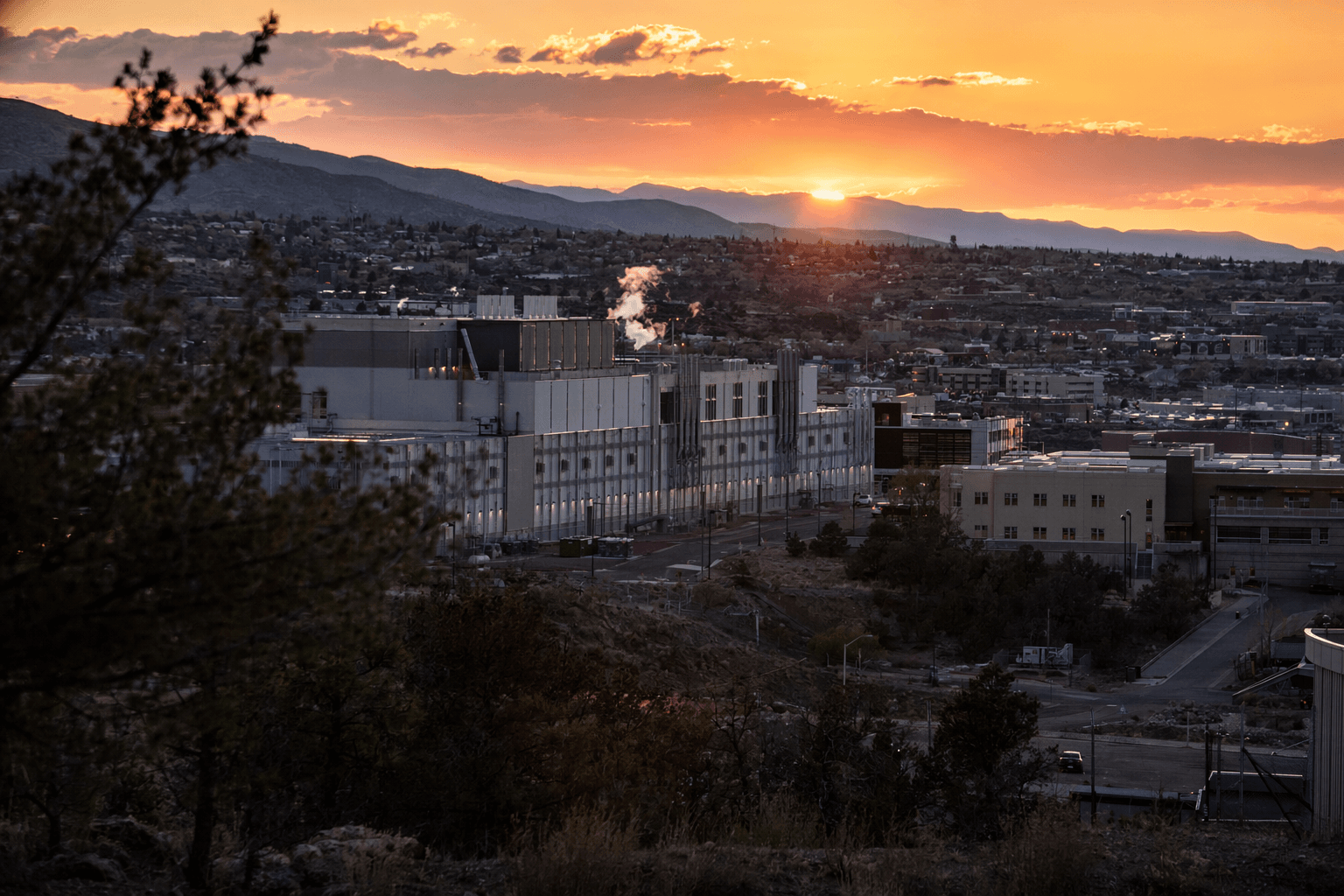
LANL says plutonium science supports nuclear nonproliferation, nuclear energy, forensics and weapons work, and the lab’s new Plutonium Science Laboratory, or PluS Lab, received its first plutonium shipment in late 2025 and was poised to begin operations. The lab says the facility will help advance science tied directly to national defense, even as its broader pit program moves through a major expansion.
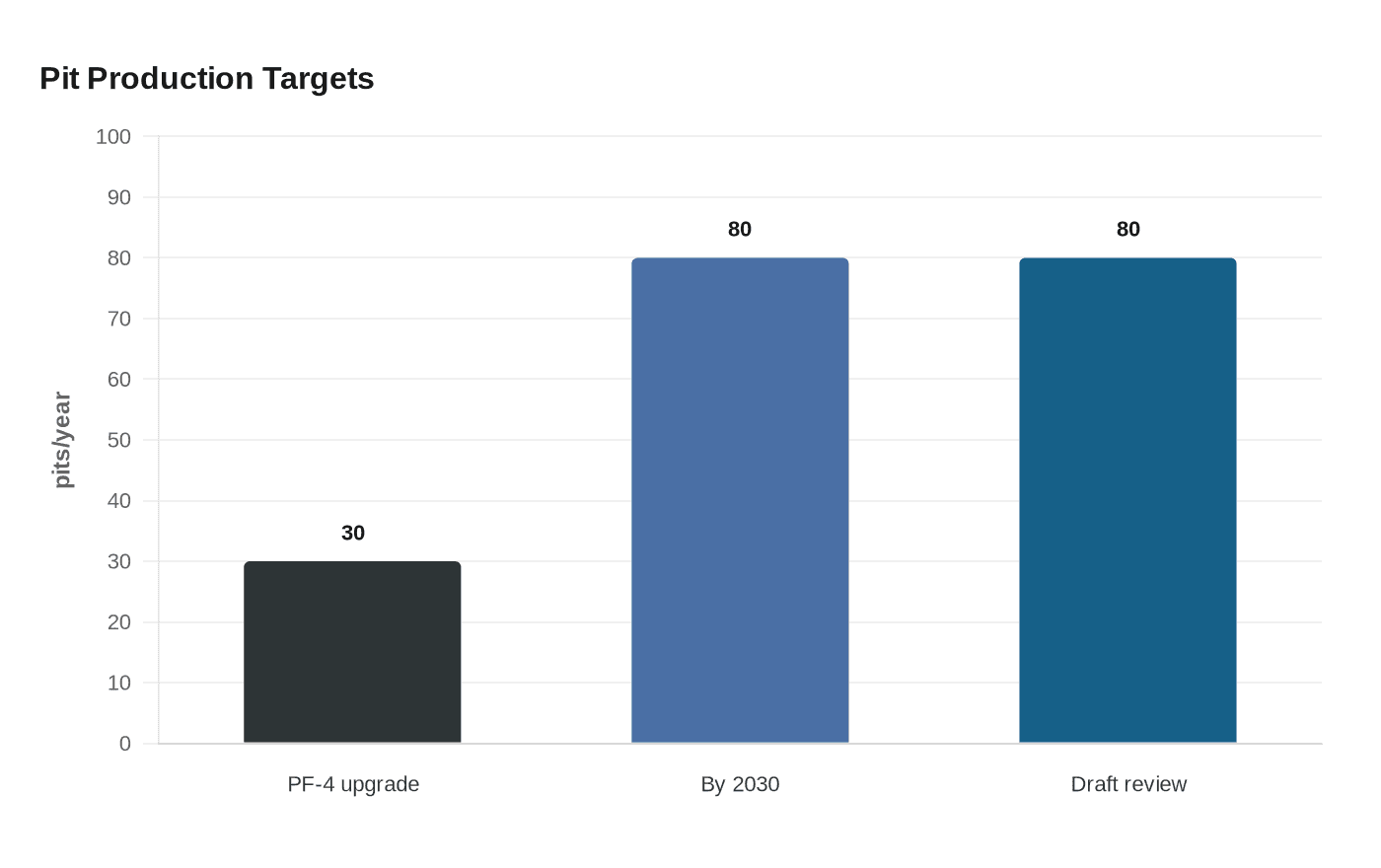
That expansion is the piece most likely to shape life in and around town. LANL says it is the only current U.S. facility capable of designing and manufacturing plutonium pits, the cores of nuclear weapons, and that PF-4 is undergoing a multiyear infrastructure upgrade aimed at producing at least 30 stockpile-ready pits per year. The lab produced the first plutonium pits in 1945 during the Manhattan Project, then ran a shorter production campaign from 2007 to 2011 for the W88 warhead. It has also said it established the capacity to make at least 30 pits a year and produced the first production unit pit for the W87-1 warhead.
Federal momentum around pit production has intensified as well. In May 2025, the U.S. Department of Energy and the National Nuclear Security Administration issued a notice of intent for a plutonium pit production environmental impact statement, with scoping ending July 14, 2025. By March 2026, reporting from the Albuquerque Journal said a federal memo urged Los Alamos to accelerate pit production and pointed to a statutory requirement for no fewer than 80 pits annually by 2030, while a draft federal review could boost Los Alamos output to at least 80 pits a year.
That is the tradeoff now facing Los Alamos: a larger national mission, more federal attention and possibly more work for the region, alongside harder questions about safety, oversight and whether the county’s roads, housing and services can keep pace with the pace of nuclear modernization.
This article was produced by Prism’s automated news system from verified source data, official records, and press releases, then run through automated quality and moderation checks before publishing. The system is built and supervised by the people who set the standards it runs under. Read our full AI policy.
Did this article answer your question?