LANL deputy director briefs council on modernization, deterrence mission
LANL told county leaders its pit-production mission is growing as Los Alamos braces for 10,000 daily commuters, housing demand and a possible tax hike.
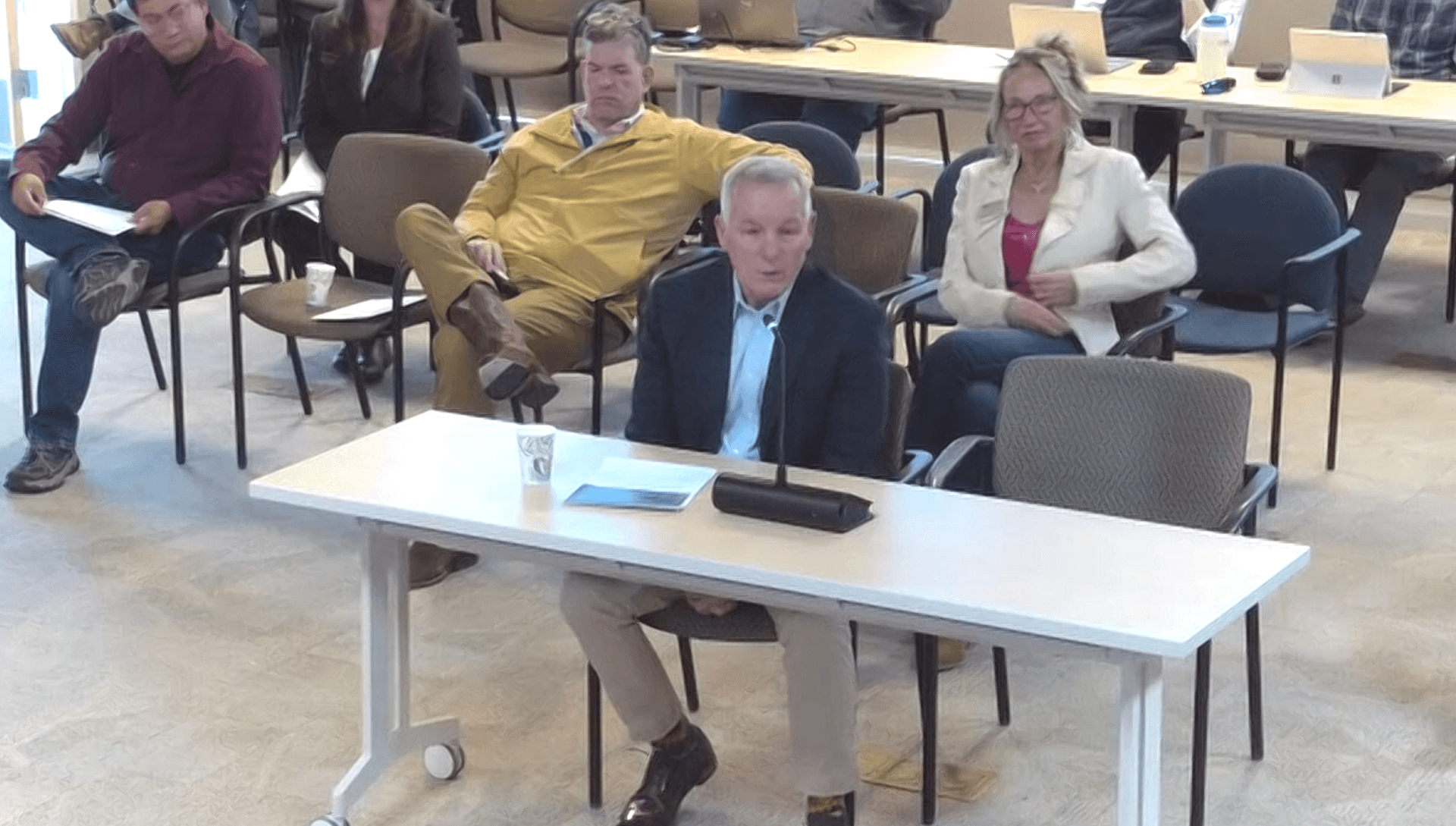
Los Alamos County is confronting the local cost of a bigger nuclear weapons mission as LANL prepares for more modernization work, more federal activity and more pressure on roads, housing and public services. Mark Davis, the lab’s deputy director for mission operations, briefed the Los Alamos County Council in White Rock and framed the moment as a new age of deterrence tied to stockpile modernization.
Davis oversees operational excellence, infrastructure modernization and mission support services for the lab’s operations directorate. His appearance came as federal planning around LANL’s future footprint continued to advance. On March 25, 2026, the National Nuclear Security Administration issued a Final Site-Wide Environmental Impact Statement and Record of Decision for an Expanded Operations Alternative at LANL, signaling that the lab’s mission tempo and physical footprint remain active matters at the federal level.
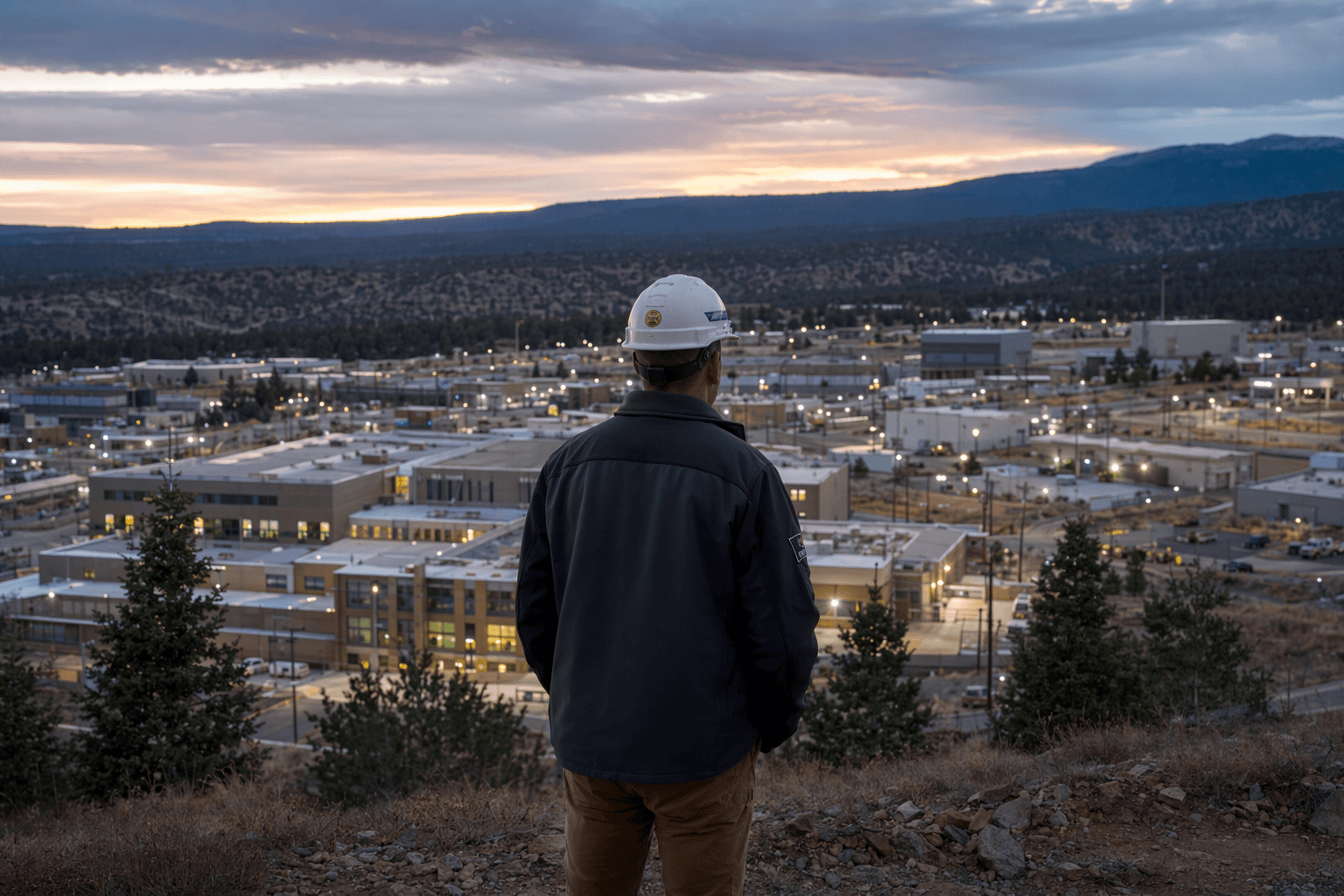
The broader stakes reach far beyond the lab gate. Los Alamos County said in October 2025 that LANL brings about 10,000 commuters into the community each workday, a figure that underscores the strain on local roads, parking and county services. The county has also warned that without a gross receipts tax adjustment, it could face deficits of $16 million to $20 million beginning in Fiscal Year 2027. County leaders have proposed raising the GRT rate from 7.062 percent to 7.6875 percent to help sustain services.
Housing remains another pressure point. The county’s affordable housing plan calls for 1,300 to 2,400 new housing units between 2024 and 2029, a target that reflects the gap between local supply and demand as the lab’s workforce and contractor base remain central to the economy. Any expansion tied to LANL’s mission would likely intensify that need.
The national backdrop is just as significant. On Oct. 1, 2024, NNSA verified completion of the first production unit for the W87-1 warhead, which supports the Sentinel intercontinental ballistic missile program. NNSA says it is rebuilding plutonium pit manufacturing capability to reach no fewer than 80 pits per year as close to 2030 as possible. LANL says pit production was commissioned by NNSA in 2019, and the lab says it is responsible for four of America’s nuclear weapons systems.
LANL also says its PF-4 facility is the sole plutonium pit production capability in the United States. For Los Alamos County, that means the modernization message delivered in White Rock was not just about national security strategy. It was also about whether county government is prepared for the traffic, housing demand and fiscal strain that come with the lab’s expanding role.
This article was produced by Prism’s automated news system from verified source data, official records, and press releases, then run through automated quality and moderation checks before publishing. The system is built and supervised by the people who set the standards it runs under. Read our full AI policy.
Know something we missed? Have a correction or additional information?
Submit a Tip